How Smart Glasses Could Replace Smartphones in Everyday Tasks

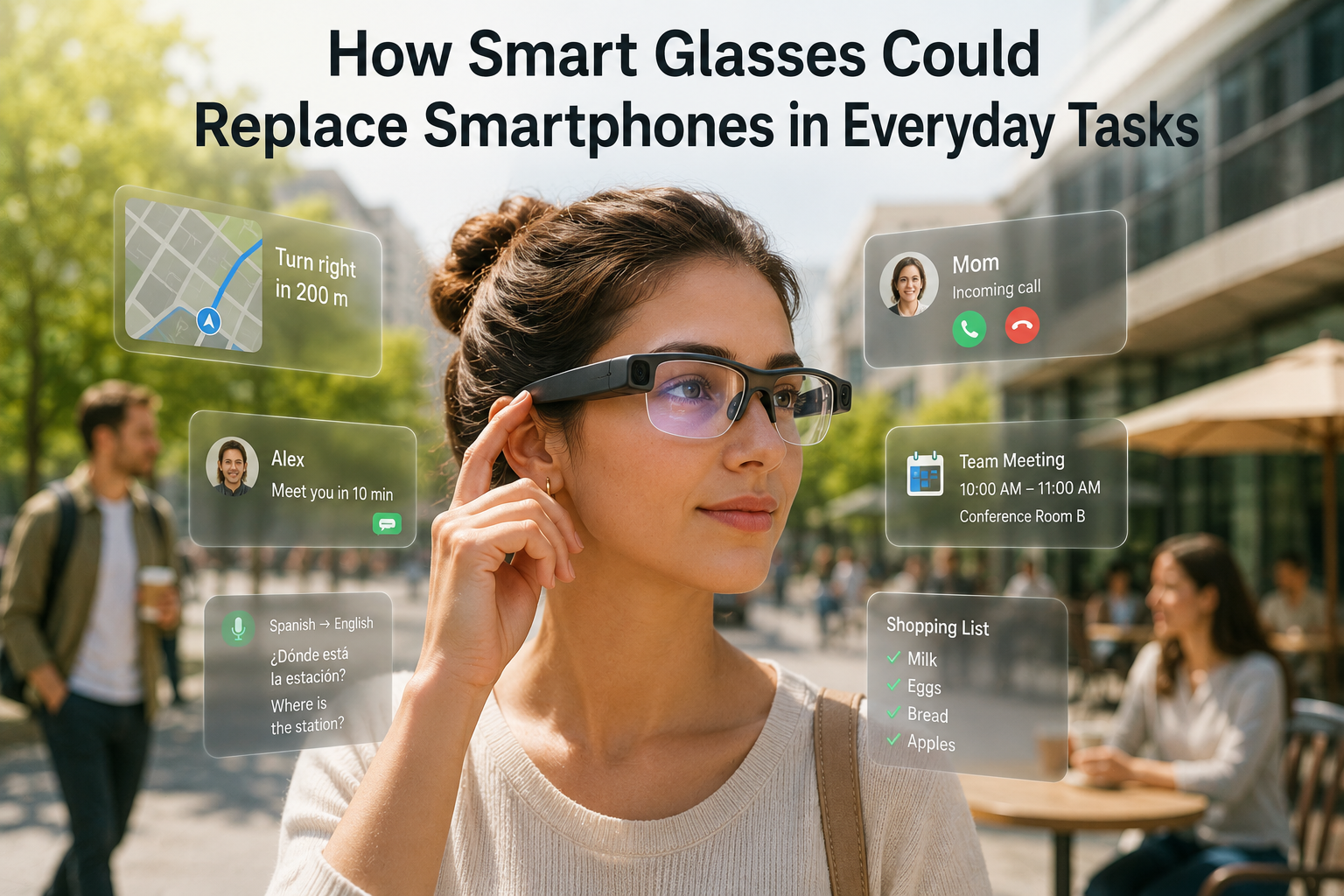
Smart glasses add hands-free digital features to eyewear frames, such as audio, cameras and sensors. They may even display a small heads-up display. Current smart glasses depend on smartphones for processing power, cellular connectivity, and apps; future versions will reduce this dependency by using on-device artificial intelligence systems to manage notifications, navigation, and quick tasks, … Read more

How AI Chat Systems Are Being Used for Patient Communication Support

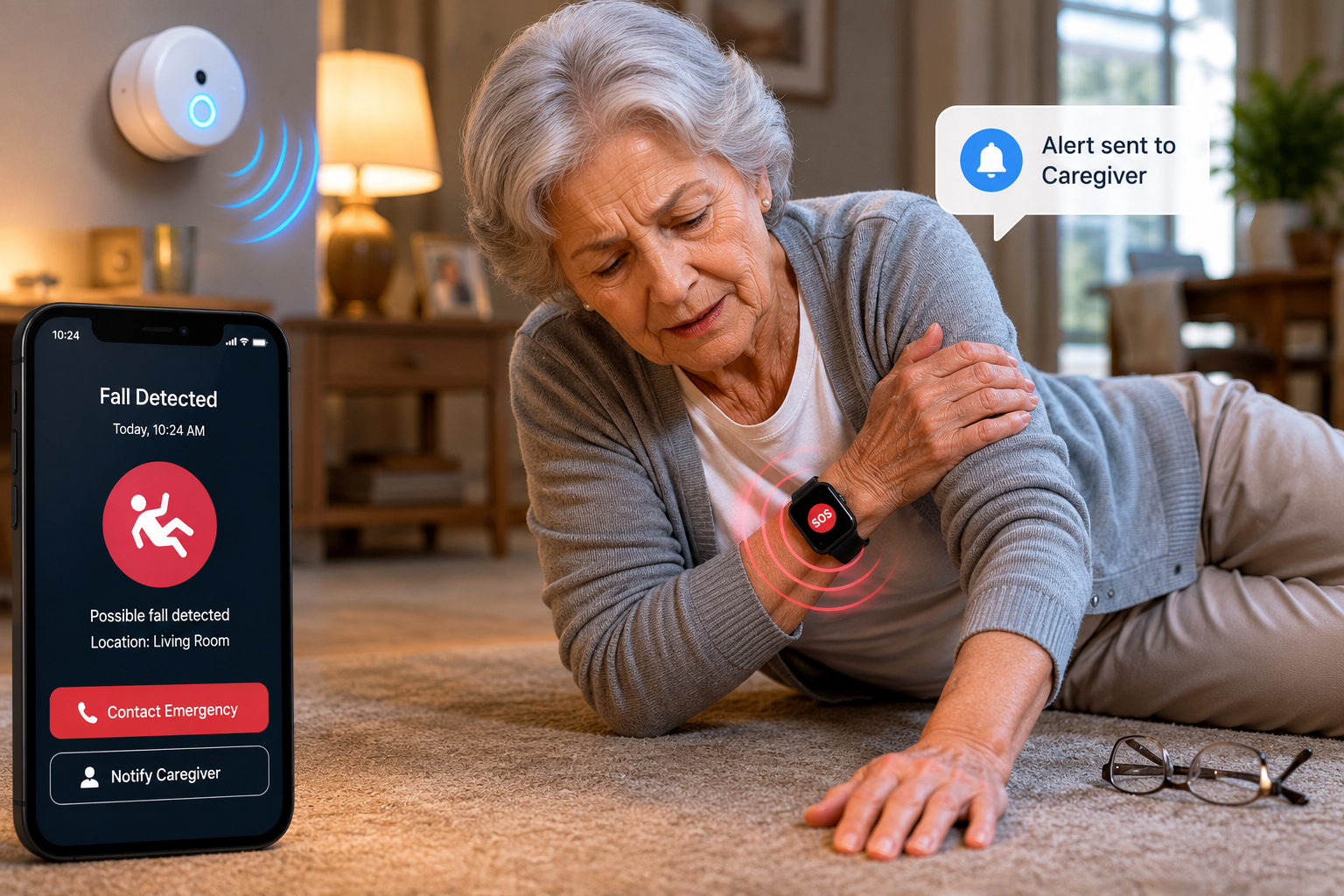
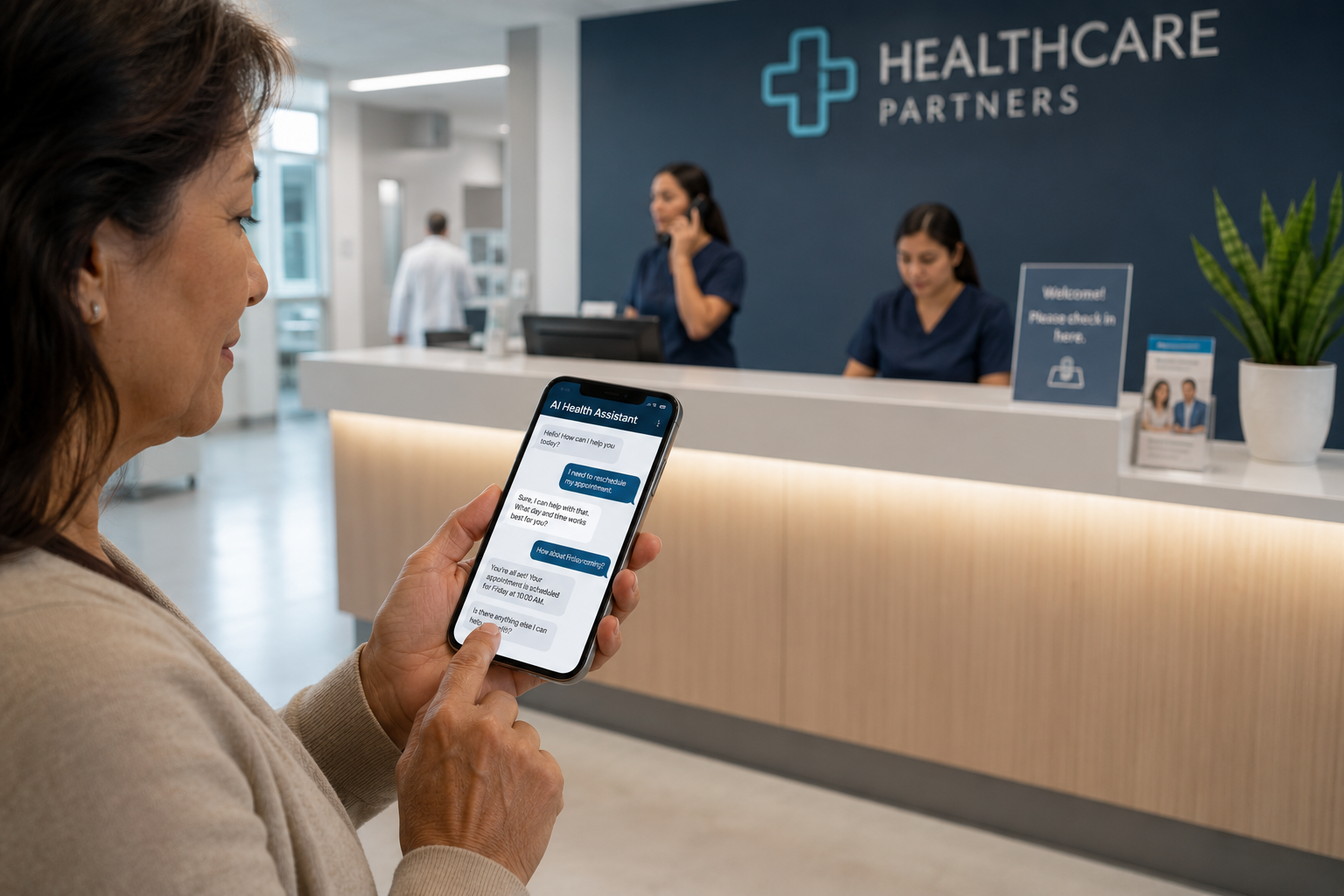
Modern healthcare systems process an enormous amount of communication daily. Patients call clinics to ask questions, confirm appointments, request follow-up appointments, view instructions, or receive updates on ongoing treatments. Smaller healthcare institutions often struggle to handle the constant stream of text messages, phone calls, and appointment requests. Patients often experience communication delays even before they … Read more

Why Short, Data-Driven Workouts Are Growing in Popularity

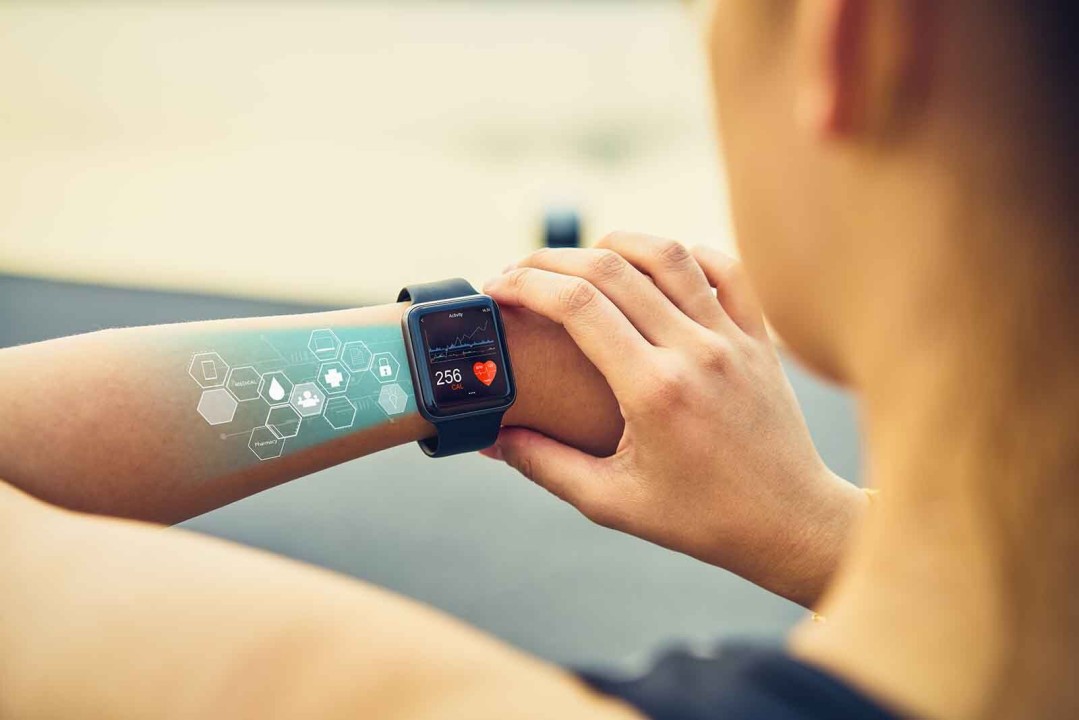
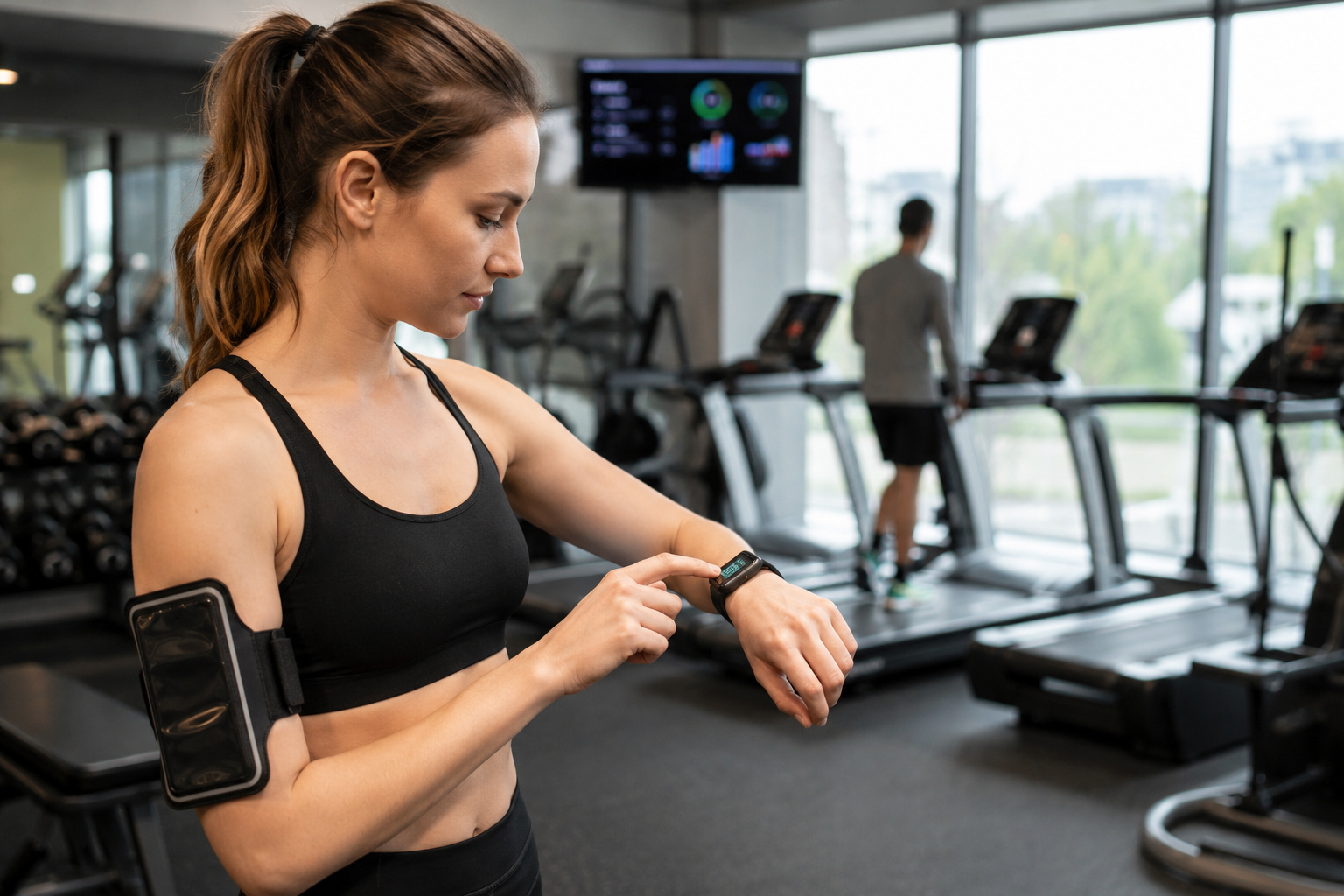
Data-driven short workouts are gaining popularity as they maximise fitness results with minimal time. Wearable technology and fitness apps enable individuals to track their heart rate and power output, allowing them to customise their training sessions. This eliminates guesswork and prevents overtraining. Lack of time is the main barrier that prevents people from maintaining a regular … Read more

Why Edge Computing Matters for Faster Smart Devices

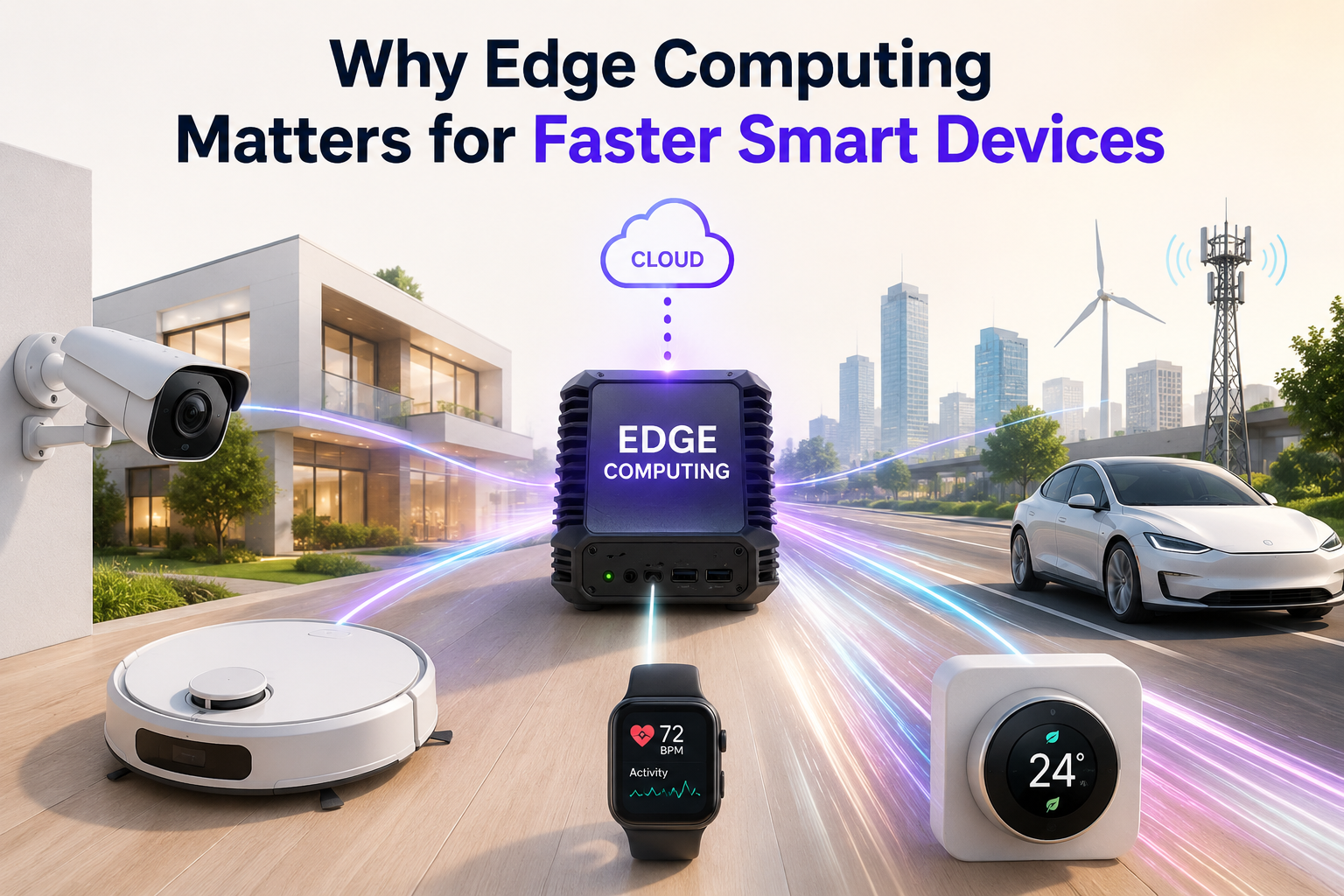
Edge computing reduces bandwidth use and server resources by processing data closer to its source. Furthermore, edge computing minimises network latency so smart devices can quickly respond to user needs. An intelligent refrigerator doesn’t need to upload its temperature data directly into the cloud for analysis; instead, EC screens it locally and sends only what’s … Read more

The Real Reason Many People Can’t Disconnect From Their Phones

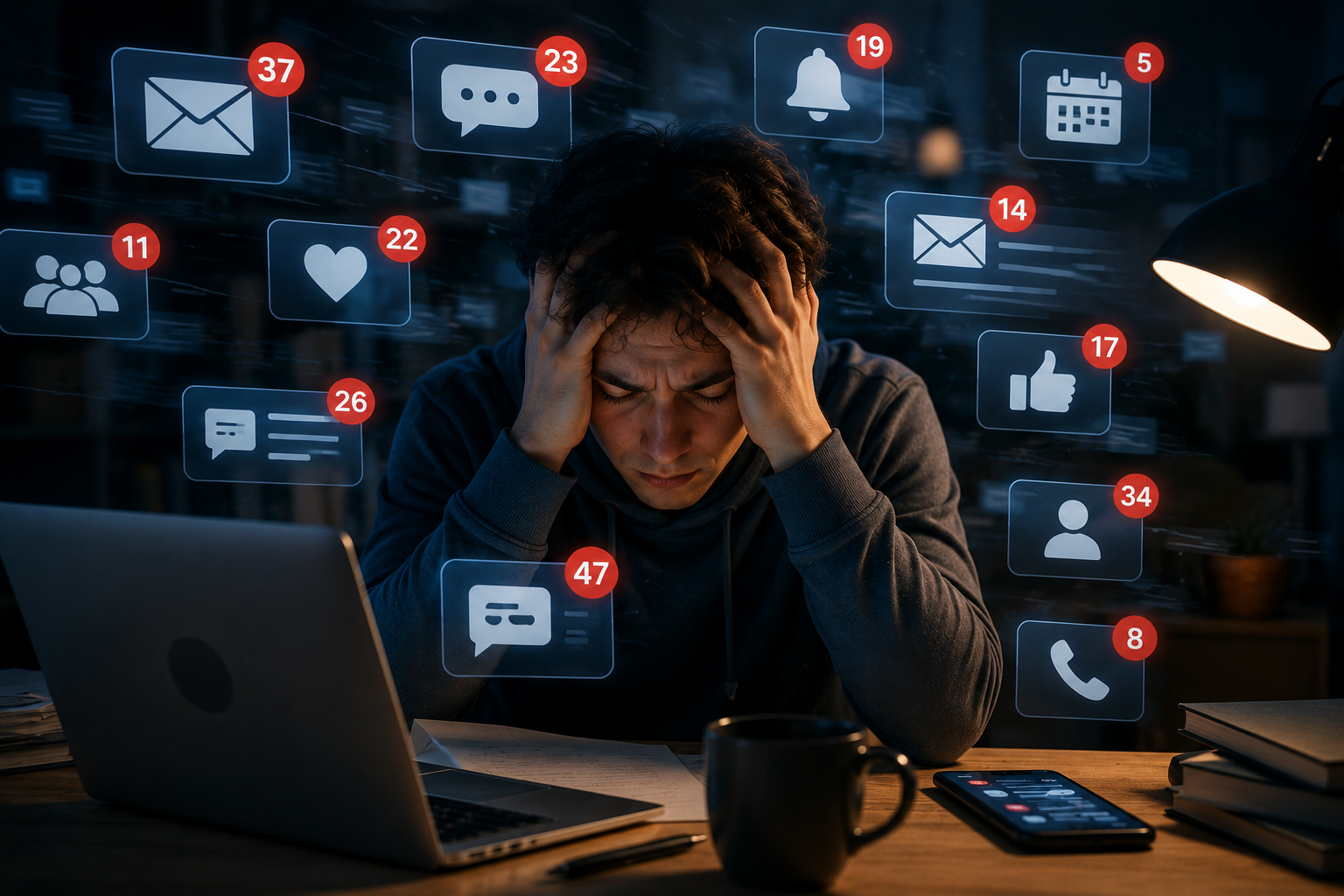
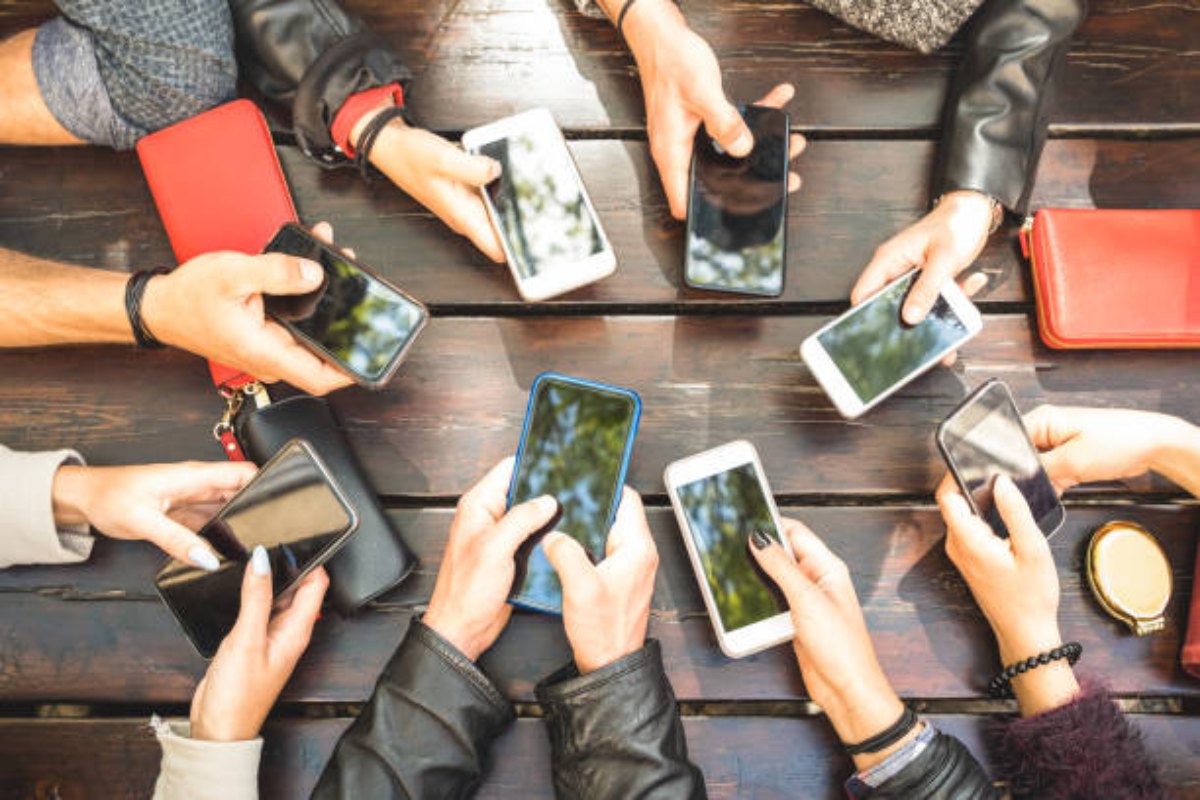
Smartphones have drastically changed the way people interact with their environment, work, and each other. Most people monitor their screens dozens of times before lunch, often without even realising it. This frequent screen use has become commonplace. This phenomenon is a massive shift in human behaviour that has taken place in a very short time. … Read more