How Smart Beds Improve Comfort and Sleep Tracking in Care Facilities

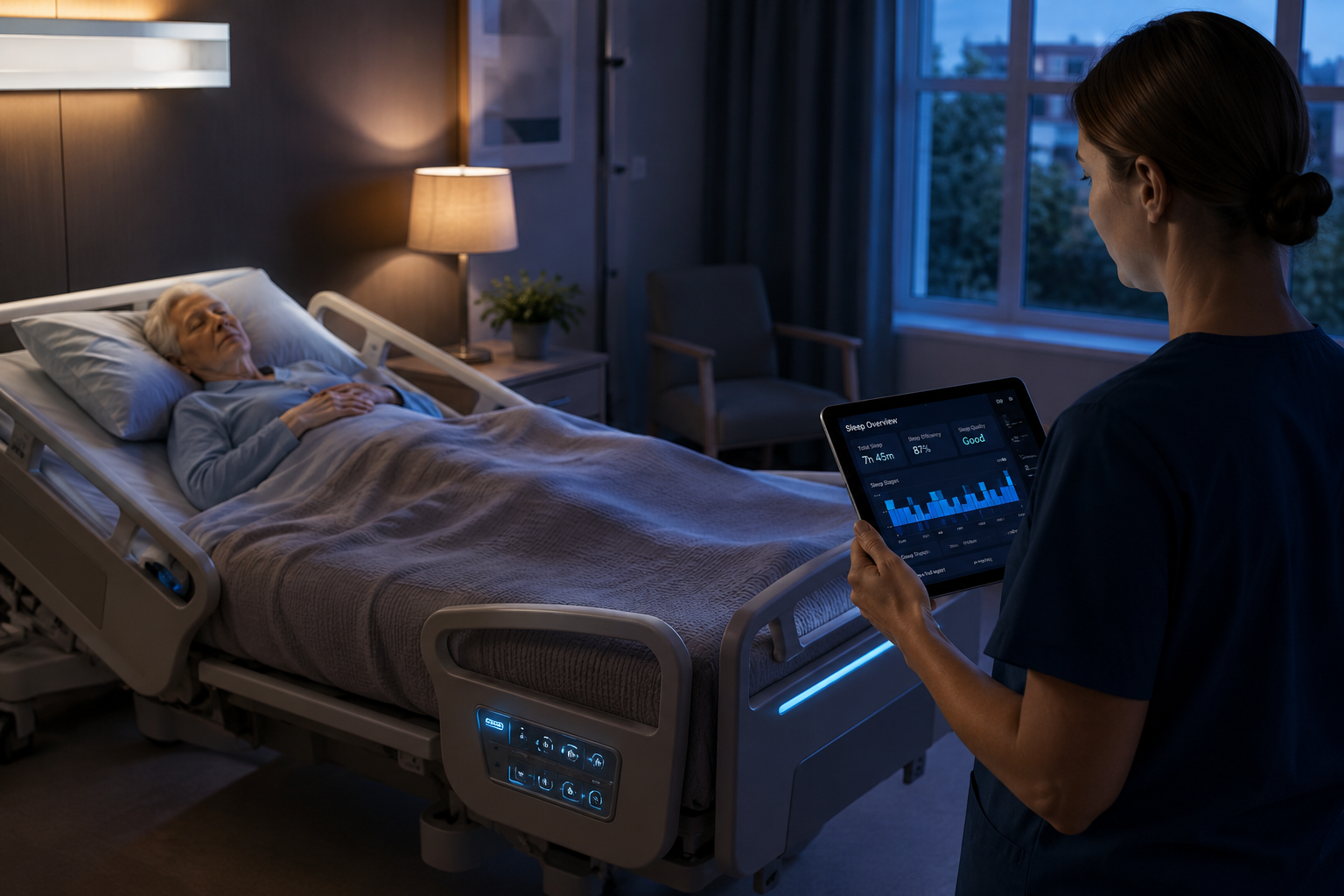
Sleep affects nearly every part of daily well-being. Poor rest can influence mood, energy levels, mobility, concentration, and general comfort, especially for older adults or people recovering from illness. In care facilities, sleep challenges are common. Residents may wake frequently during the night, struggle with discomfort, or experience interruptions caused by medical routines and shared … Read more

Why Multitasking With Screens Reduces Productivity More Than Expected

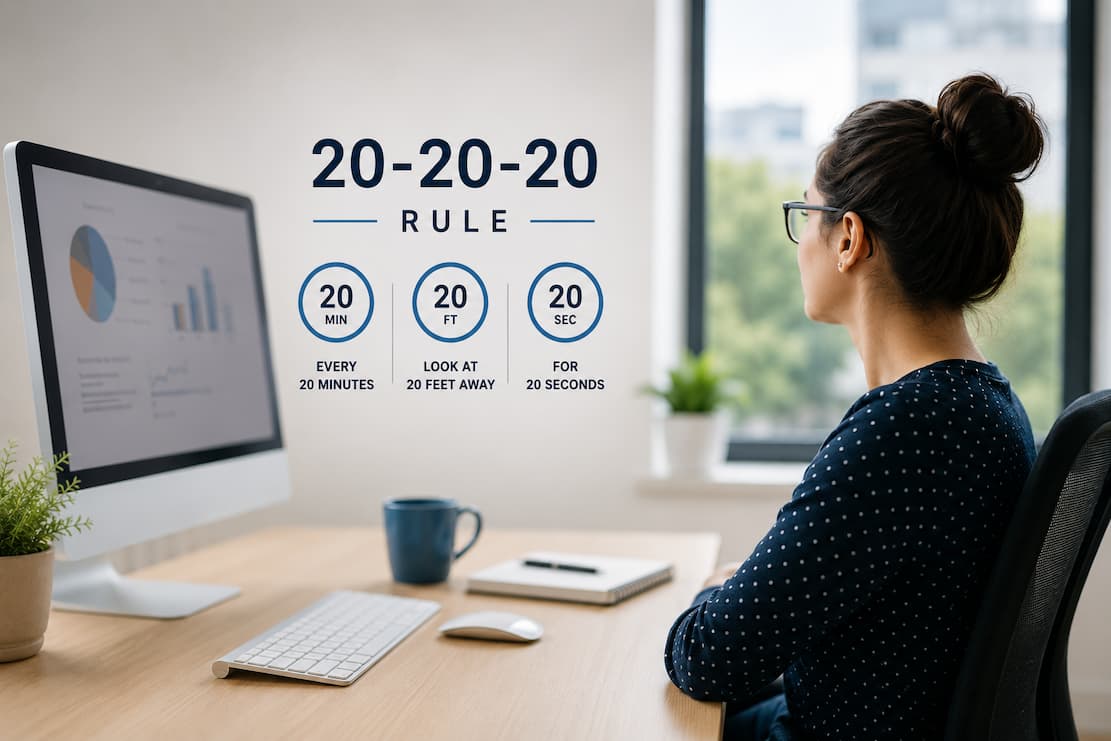
In today’s digital world, individuals rarely use one screen. A typical day can involve using a laptop for work, a smartphone for communications, a tablet for amusement, and many internet tabs. Screen multitasking seems efficient and essential at first. We live in a fast-paced society where staying connected seems to mean being productive. Many people … Read more

How AI Is Improving Translation Between Languages in Real Time

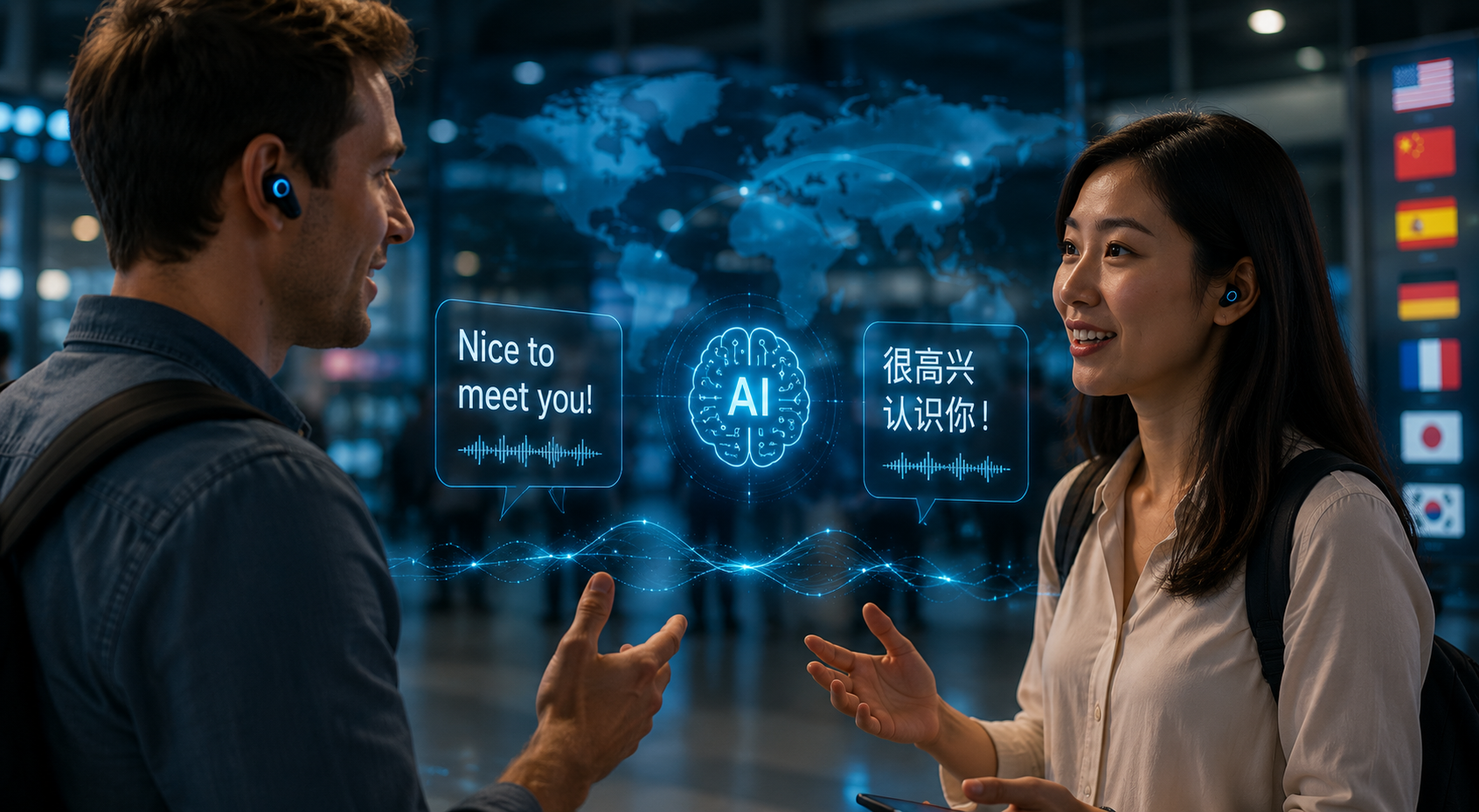
Imagine a future where communicating with people who speak different languages ​​is as easy as having a chat with your neighbour. Thanks to rapid technological advancements, artificial intelligence (AI) is helping to makethis vision aa reality. The era in which language barriers hindered communication and collaboration is over. AI-driven translation technology is changing the way … Read more

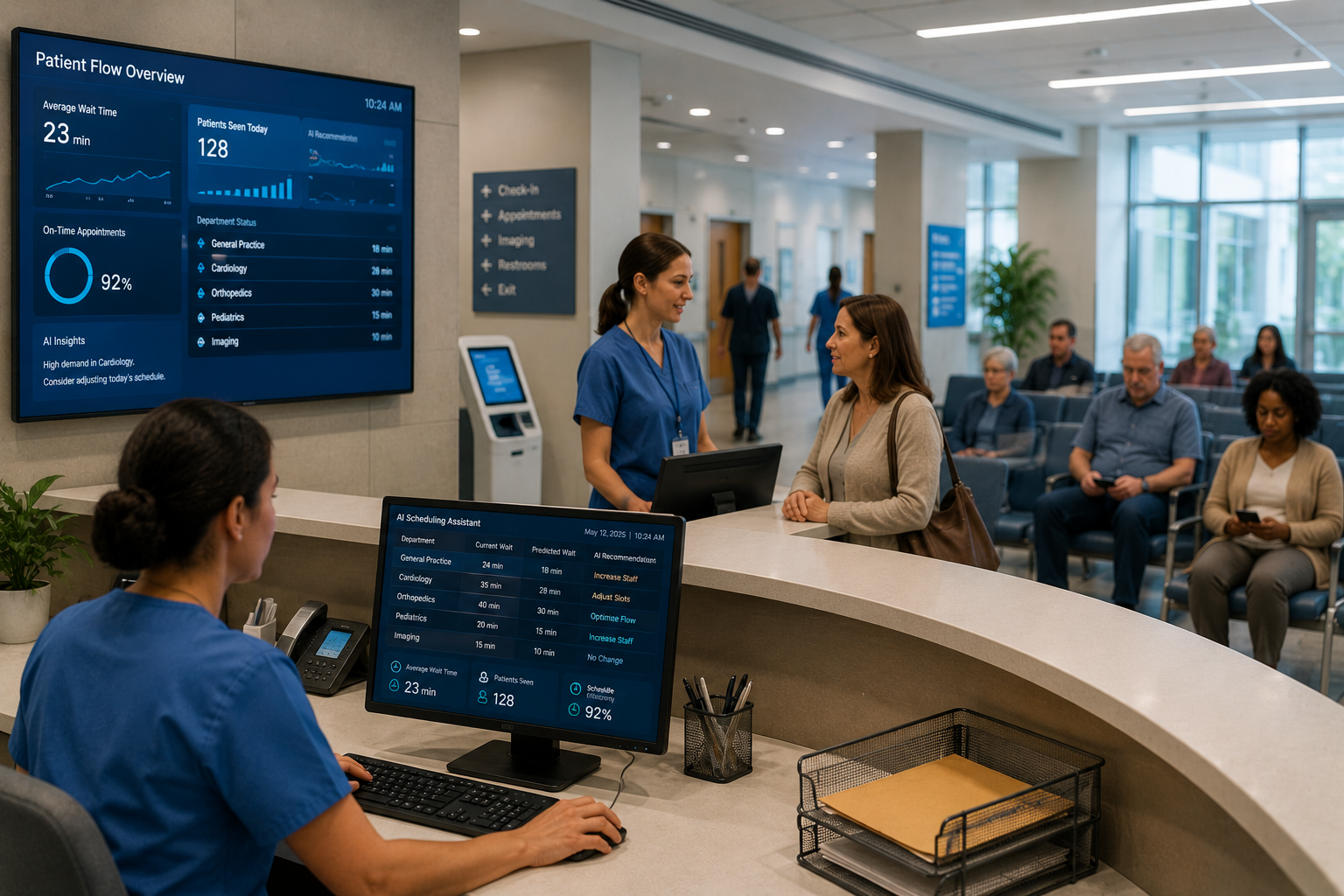
Why Hospitals Are Using AI to Reduce Patient Waiting Times

Anyone who has spent hours in a crowded waiting room understands how frustrating healthcare delays can feel. When hospitals become overloaded, patients feel anxious, staff members work under pressure, and schedules quickly fall behind. What many people do not realise is that delays are often caused by operational problems behind the scenes rather than a … Read more

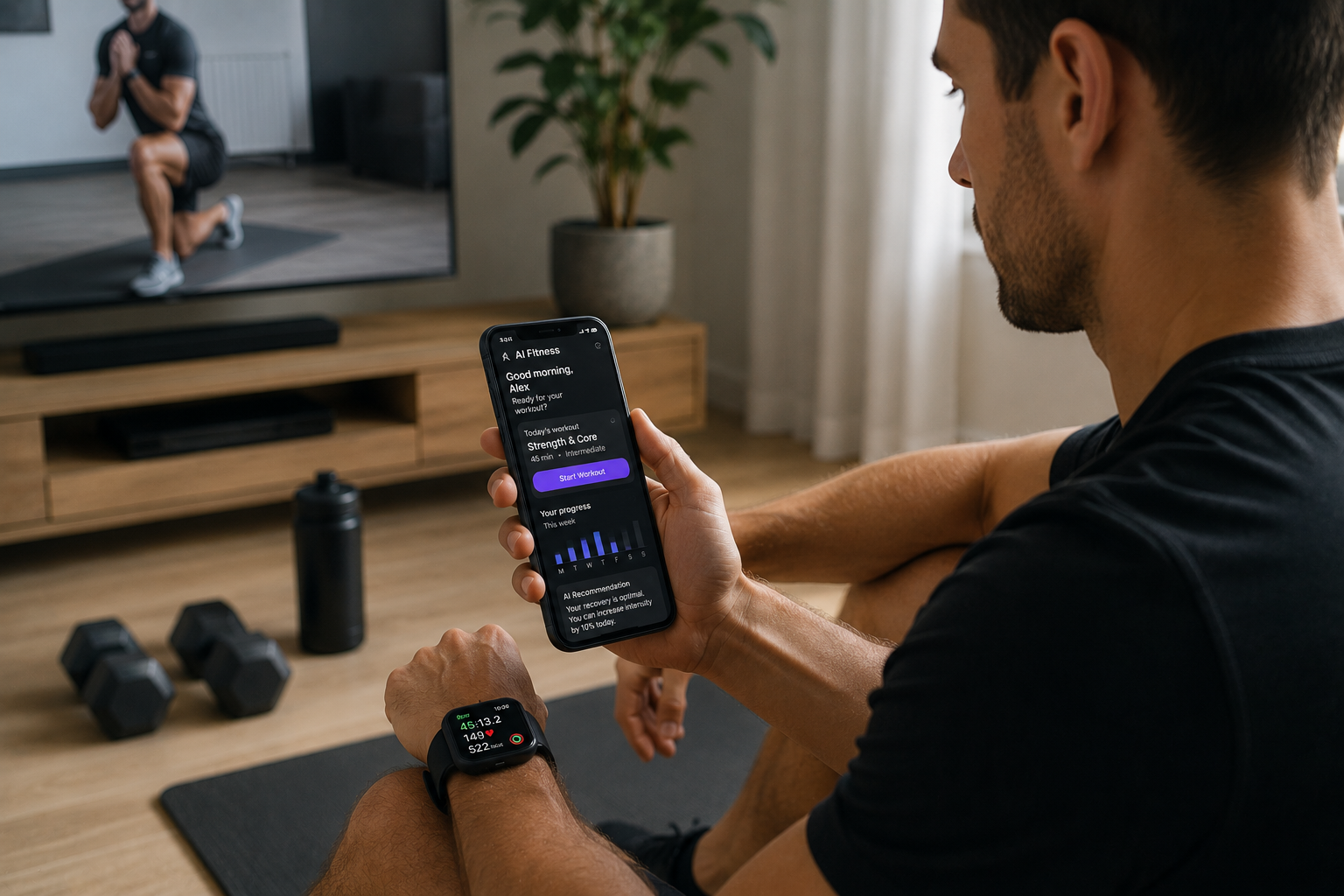
How AI Fitness Apps Create Personalized Workout Plans

For years, many people have blindly copied fitness routines from magazines, fitness websites, or social media influencers, without understanding whether these routines are suitable for their fitness level or personal goals. This approach is often frustrating. Some exercises are too difficult, others too monotonous, and many people eventually give up after attempting to stick with … Read more

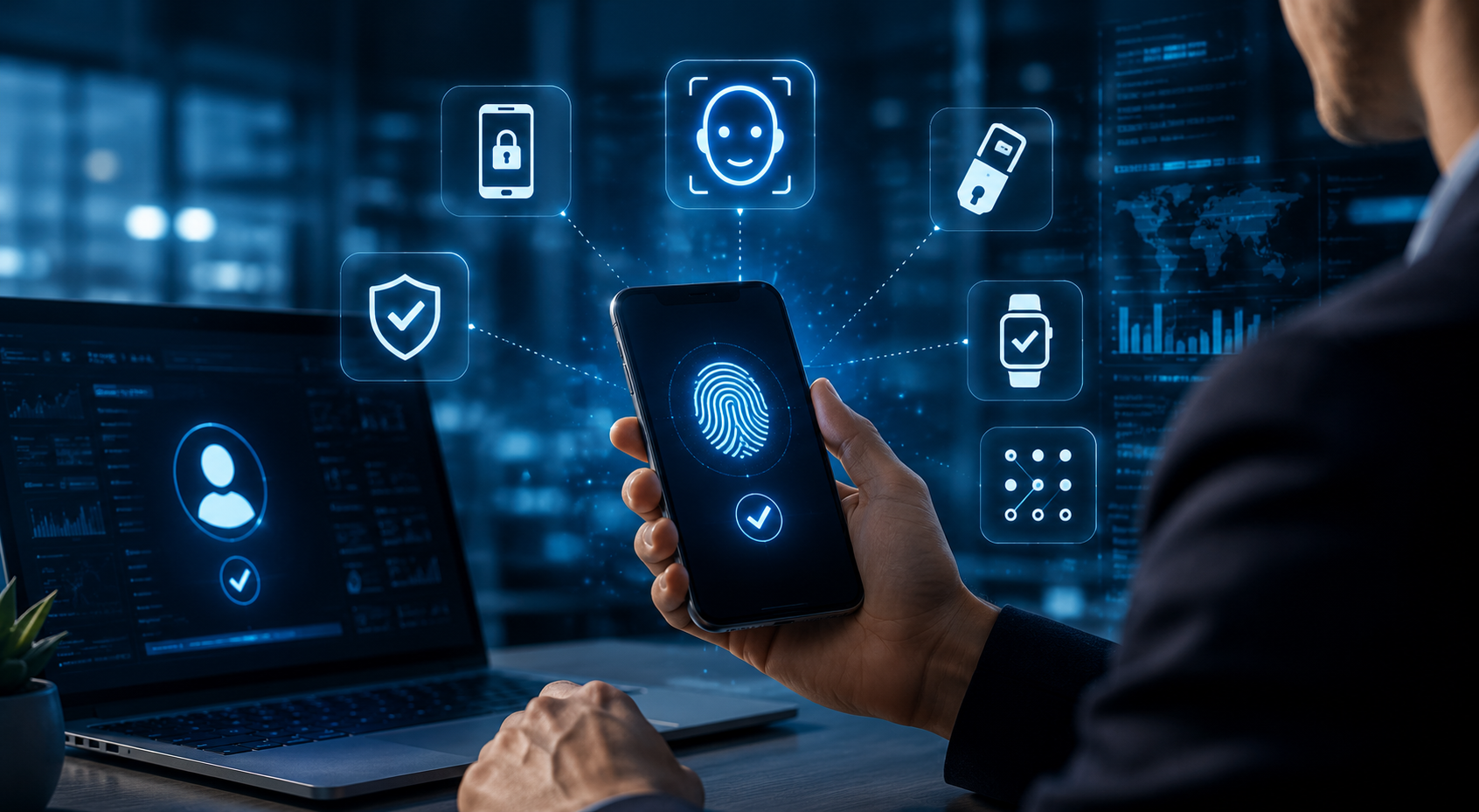
The Rise of Passwordless Authentication and Why Companies Want It

Traditional authentication methods pose a major challenge for businesses. People often struggle to remember long passwords, leading to unwise security decisions such as using the same password across multiple platforms or writing them down on sticky notes. Cybercriminals exploit these vulnerabilities daily through phishing, brute-force attacks, and password stuffing. Industry research indicates that credential theft … Read more

How Wearable Devices Detect Early Health Pattern Changes

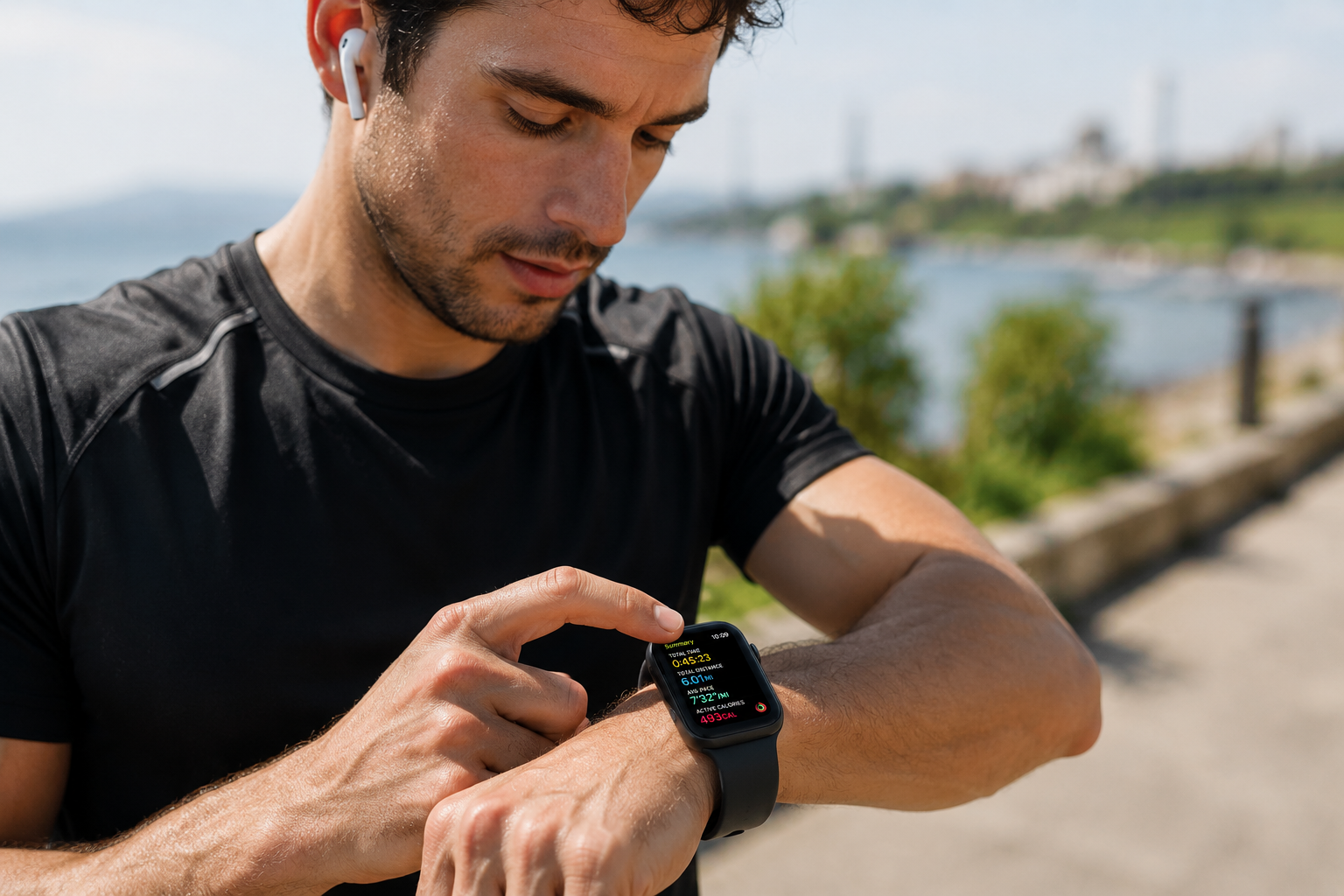
Most people only think of fitness equipment when it comes to wearables. Smartwatches record your steps and activity level and display notifications from your phone throughout the day. But wearables have evolved into something much more practical and fun: devices that can detect subtle changes in health patterns before people even realise it themselves. This … Read more

How Recovery Tracking Helps Prevent Overtraining Injuries

Not so long ago, tracking workouts mainly meant writing down training schedules on paper or estimating progress from memory. Often, people could only guess how far they had walked, how many calories they had burnt, or whether they were making progress. Smartwatches have revolutionised this. Today, wearable fitness systems have evolved from simple pedometers to … Read more

The Hidden Stress of Switching Between Too Many Apps Daily

Beginning the day with positive intentions is typical. You check your email, react, open a calendar app, move to task management, answer a notice, then plunge into social media for ‘just one minute’. Before long, your head feels cluttered even though the day has just begun. Modern technology offers ease, yet many individuals silently face … Read more