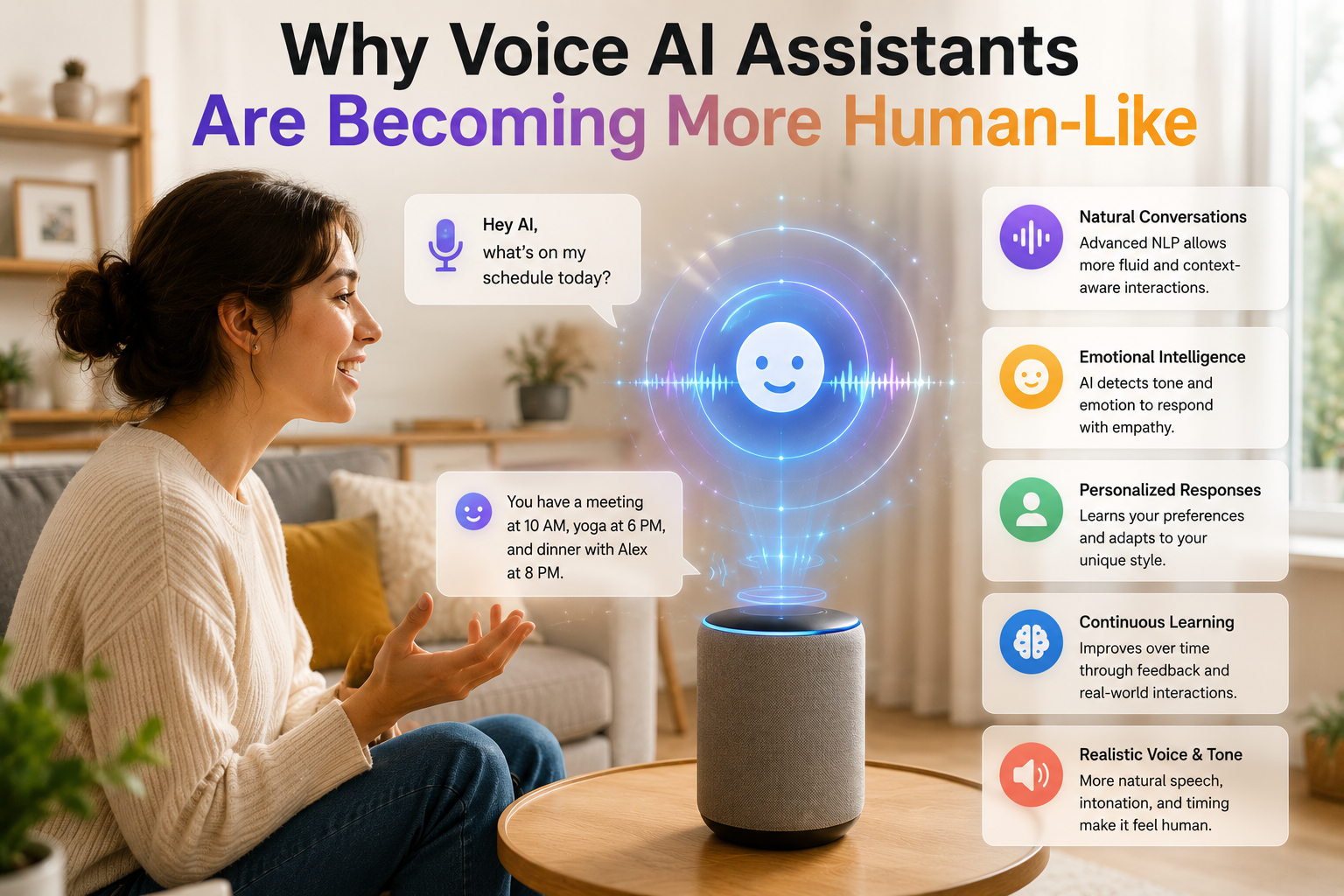
Why Voice AI Assistants Are Becoming More Human-Like

In the past, talking to a machine was like talking to a wall that only repeated sentences. You asked a question, received a mechanical answer, and then realised that you weren’t actually communicating with anyone. But this feeling is changing rapidly. Nowadays, voice-controlled AI assistants are so natural, responsive, and emotionally engaging that users often … Read more

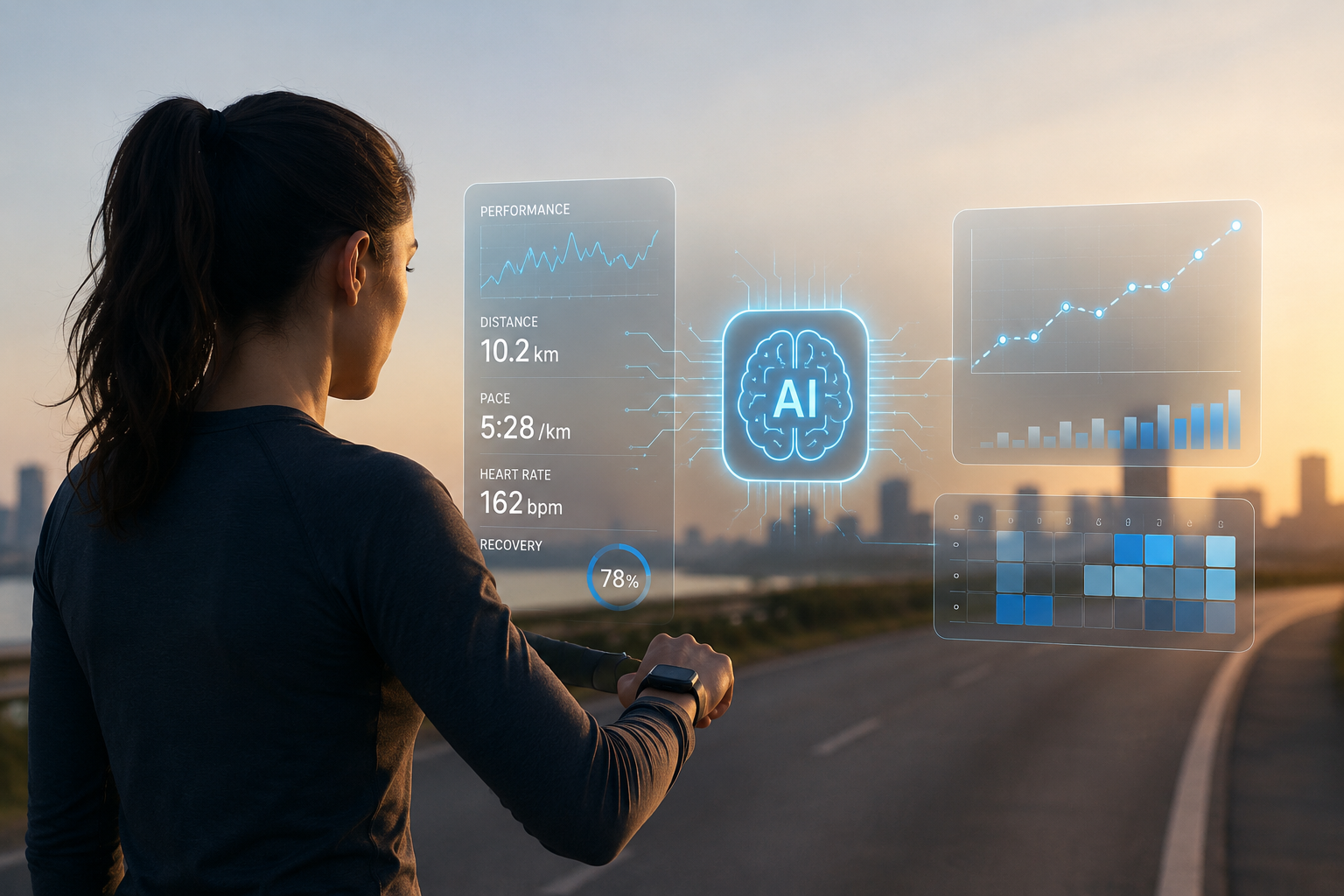
How AI Running Coaches Adjust Training Based on Performance

Runners use AI running coaches that track daily heart rate variability, sleep quality, cadence, and other variables to create personalised training plans. Machine learning algorithms use this data to adjust the volume, intensity, and frequency of future workouts in real time, maximising performance and minimising injuries. Running training used to be based on static, paper-based … Read more

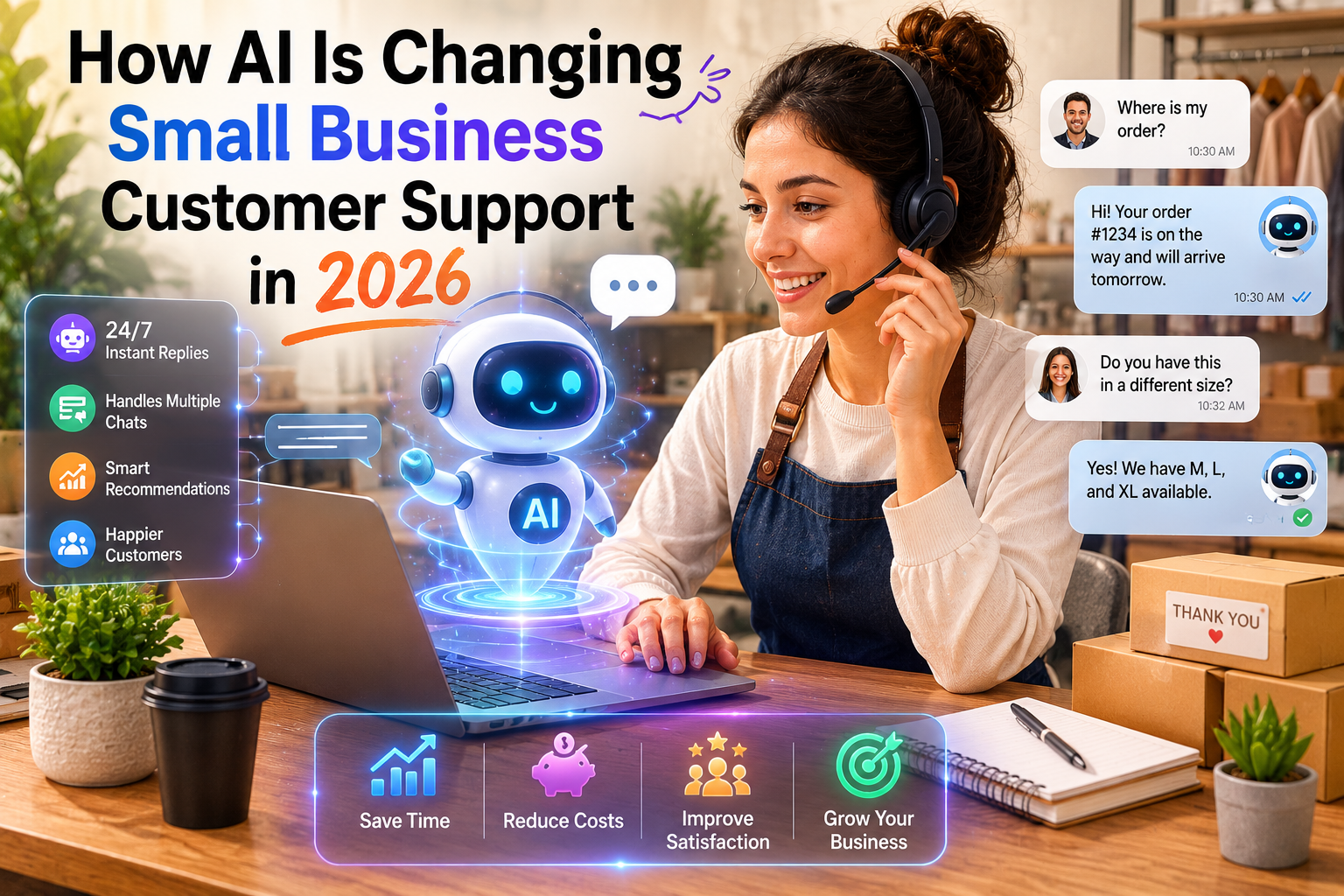
How AI Is Changing Small Business Customer Support in 2026

Customer service will undergo a revolutionary transformation in 2026, particularly for small businesses that want to remain competitive in a rapidly evolving digital world. Artificial intelligence (AI) plays a crucial role in this shift, bringing convenient, practical, and everyday changes to customer service for small businesses. In the past, customers sometimes had to wait hours … Read more

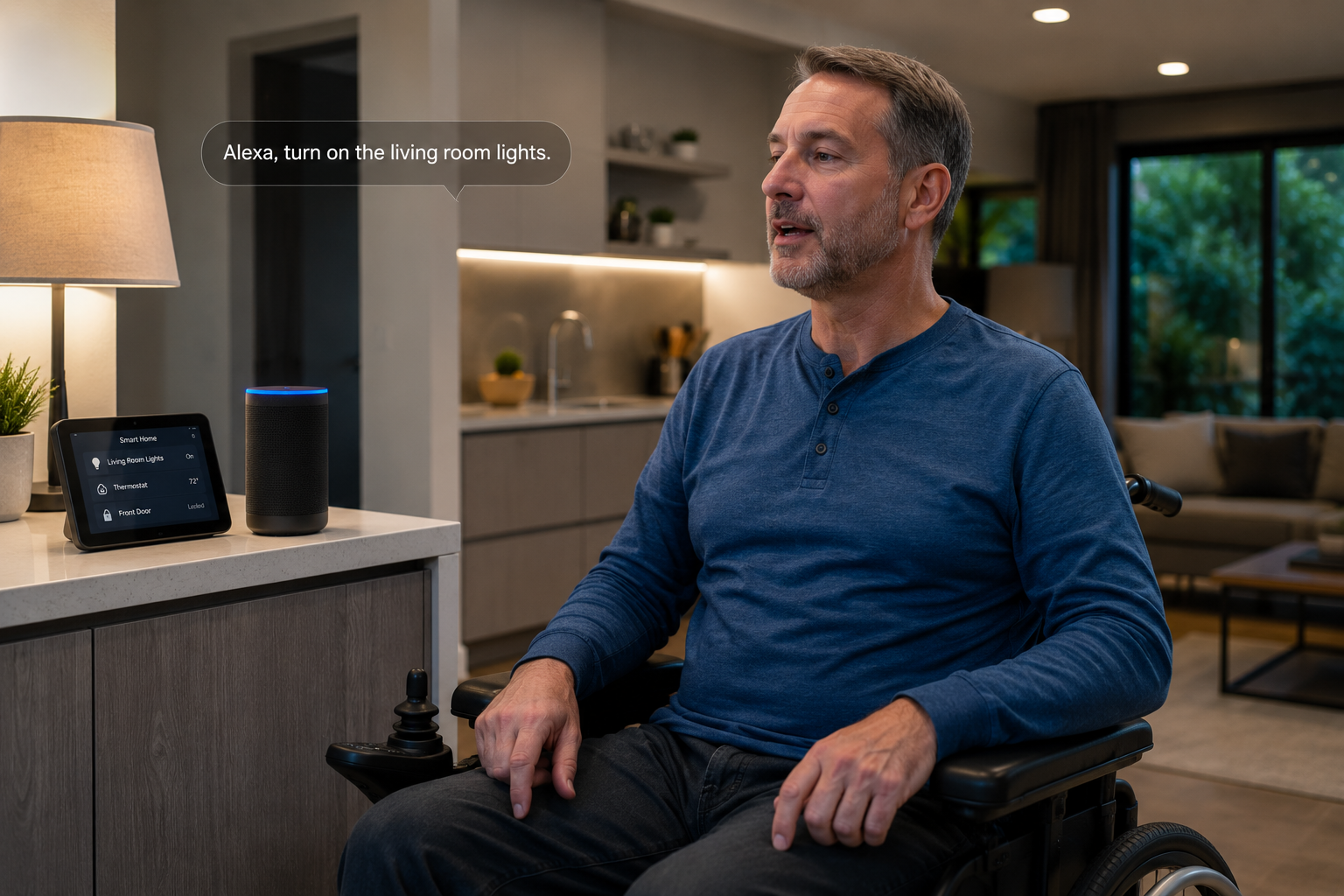
How Voice-Controlled Devices Assist People With Limited Mobility

For people with limited mobility, everyday routines often require more physical effort than most others realise. Something as simple as turning off a light, adjusting a thermostat, answering a phone call, or changing television channels may require assistance, extra movement, or adaptive equipment. This is one reason voice-controlled technology has become increasingly valuable in accessibility-focused … Read more

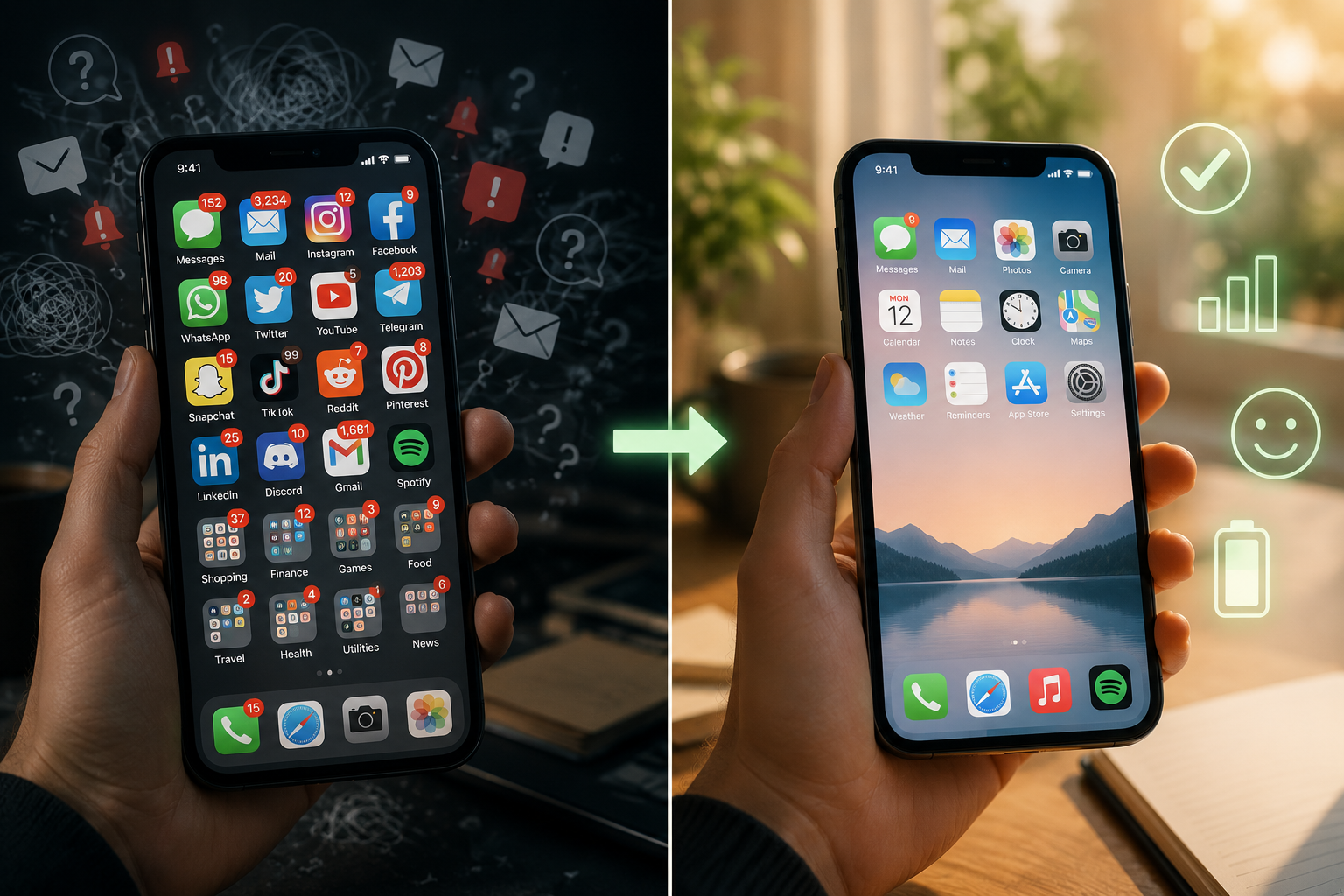
Digital Decluttering: What Happens When You Clean Your Phone Weekly

Smartphones are becoming increasingly ubiquitous in daily life. Many people use them for work, entertainment, shopping, photography, and communication. Over time, phones accumulate thousands of useless files, screenshots, apps, messages, and notifications. Because this accumulation occurs gradually, most people don’t even notice it. Phones fill up with clutter, become distracting, and become increasingly difficult to … Read more

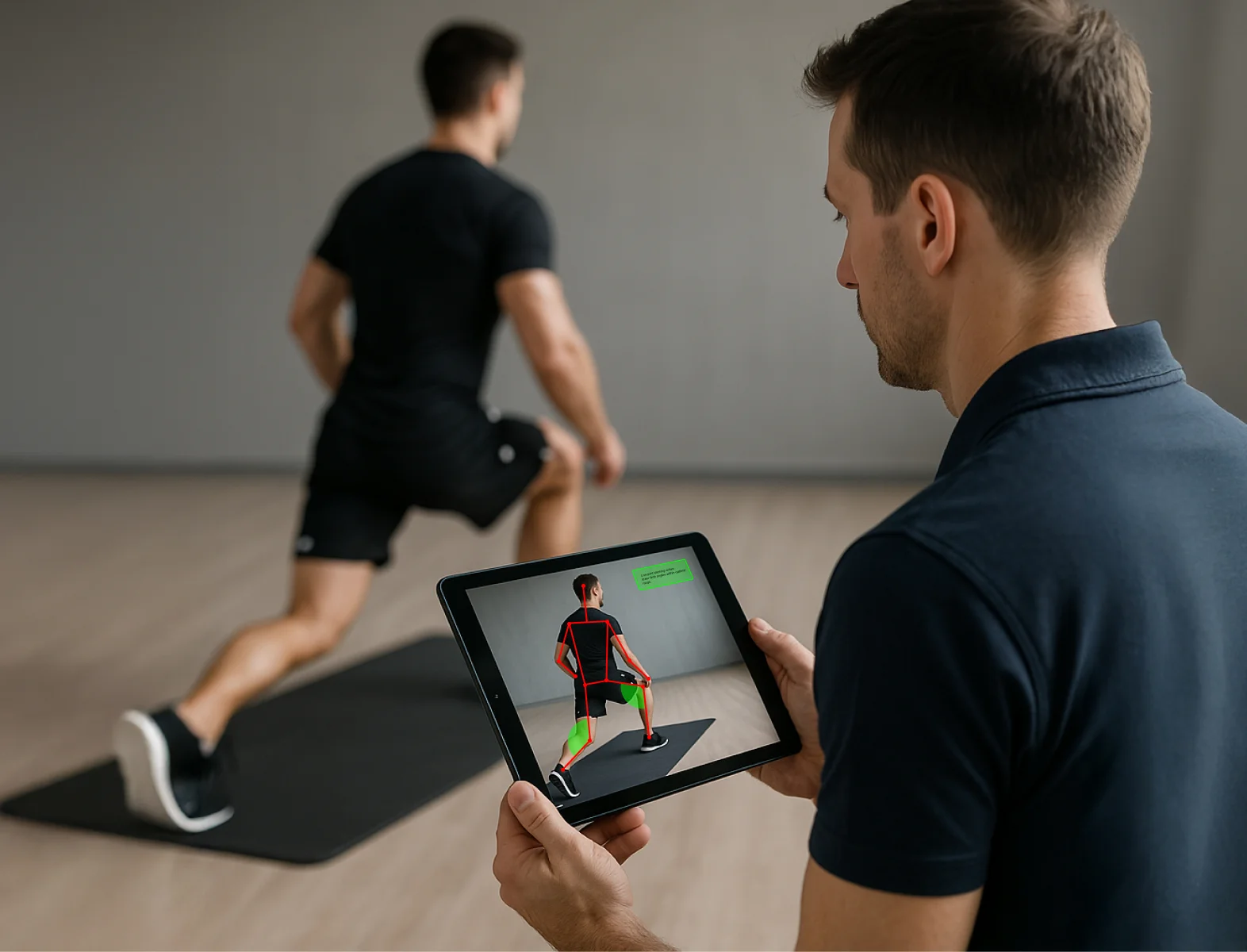
The Role of Motion Tracking in Improving Exercise Form

Motion tracking technology uses advanced sensors and cameras in real-time to analyse the body mechanics. This fitness technology gives users immediate feedback that can be used to prevent injuries during workouts and maximise muscle engagement. It does so by ensuring proper posture, alignment of joints, and execution of movements. To achieve the perfect deadlift or squat, you … Read more

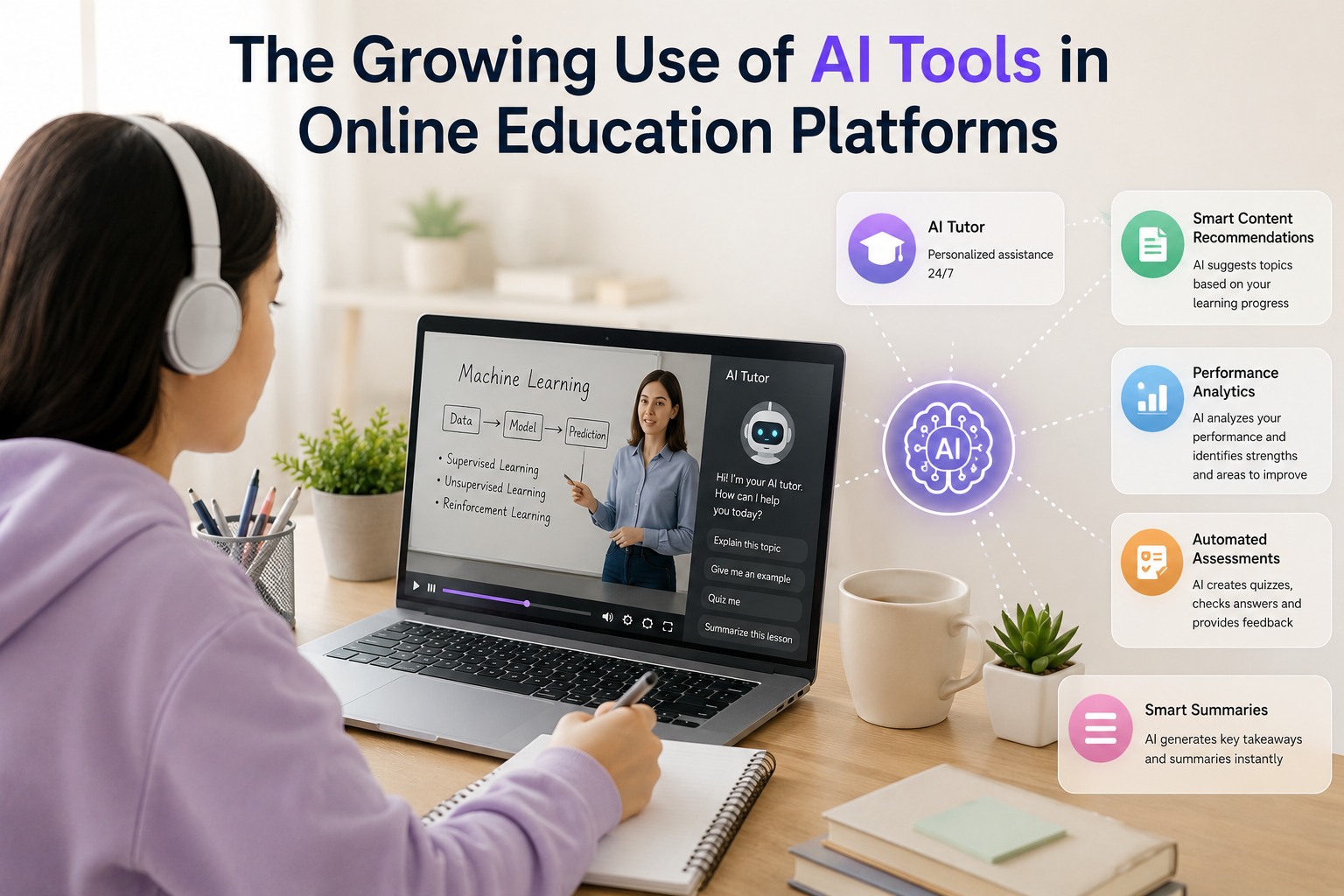
The Growing Use of AI Tools in Online Education Platforms

Over the past decade, a revolutionary transformation has taken place in digital learning environments, moving from passive video lectures and standardised tests to highly dynamic, interactive ecosystems. Artificial intelligence (AI) is the invisible engine behind this transformation in modern educational technology. AI technologies can analyse vast amounts of data in real time, allowing platforms to … Read more

The Technology Behind Fall Detection Systems for Seniors

Many seniors strive to continue living independently for as long as possible. Family members often share this wish, but one of the greatest challenges for seniors living alone remains the fear of falling. A simple fall can quickly escalate into a dangerous situation if a senior lives alone, loses their balance, and struggles to reach … Read more

Why Constant Notifications Make People Mentally Exhausted

Noises, vibrations, and pop-up messages interrupt modern life every few minutes. Mobile devices buzz during meals, smartwatches vibrate during chats, and laptops display warnings as people work. These messages may seem harmless since they keep people informed and connected. Constant interruptions eventually influence how the mind feels and works. Many people feel fatigued after effortless … Read more

How Fitness Wearables Measure Daily Activity More Accurately Today

Current wearable fitness devices combine advanced multi-axis accelerometers, optical heart rate sensors, and GPS technology to more accurately represent our daily activities. Machine learning algorithms interpret this raw sensor data and filter out random movements to provide users with precise step counts, calorie calculations, and training intensity monitoring. Ten years ago, simply wearing a pedometer … Read more