How Smart Beds Improve Comfort and Sleep Tracking in Care Facilities
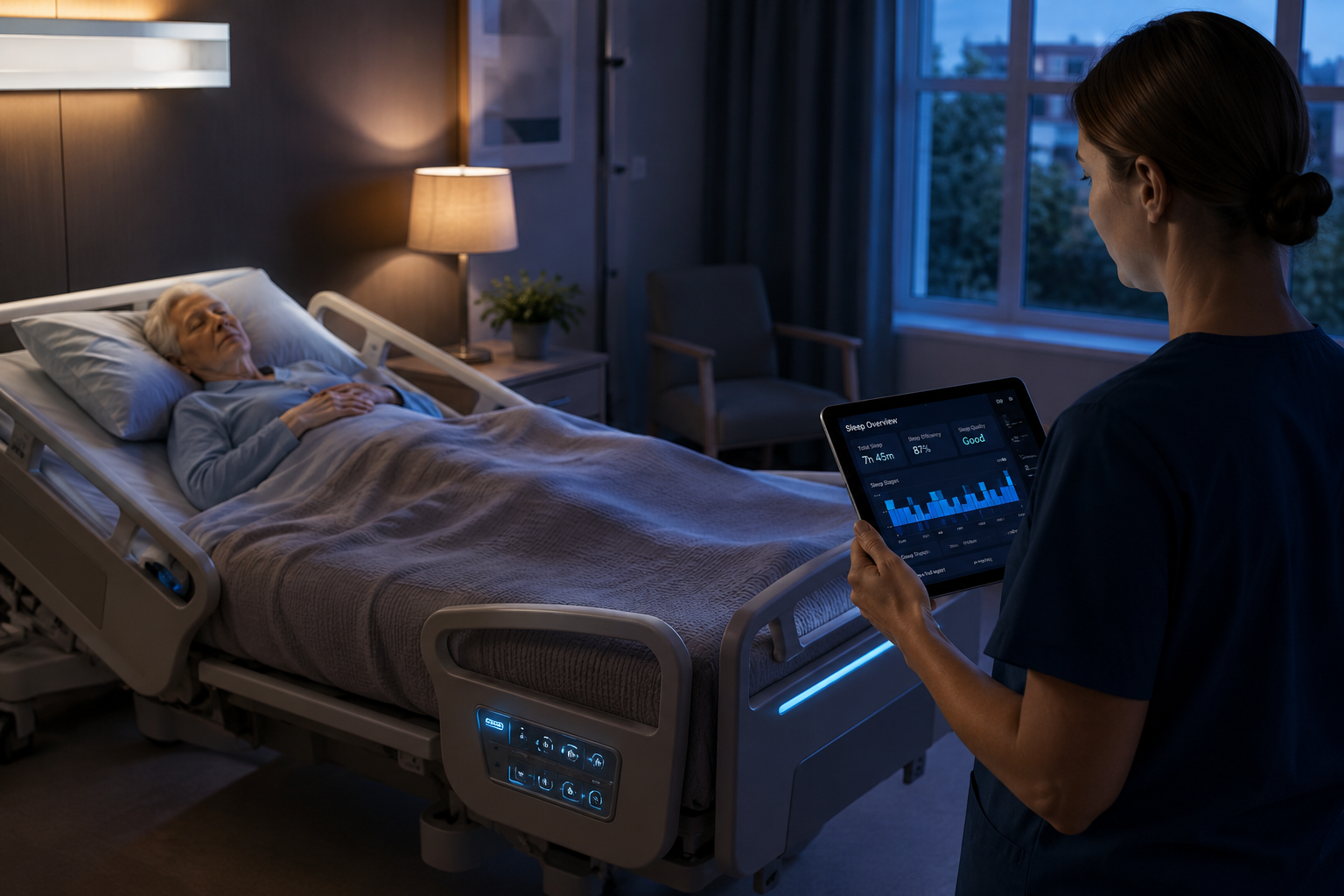
Sleep affects nearly every part of daily well-being. Poor rest can influence mood, energy levels, mobility, concentration, and general comfort, especially for older adults or people recovering from illness. In care facilities, sleep challenges are common. Residents may wake frequently during the night, struggle with discomfort, or experience interruptions caused by medical routines and shared … Read more
Why Hospitals Are Using AI to Reduce Patient Waiting Times

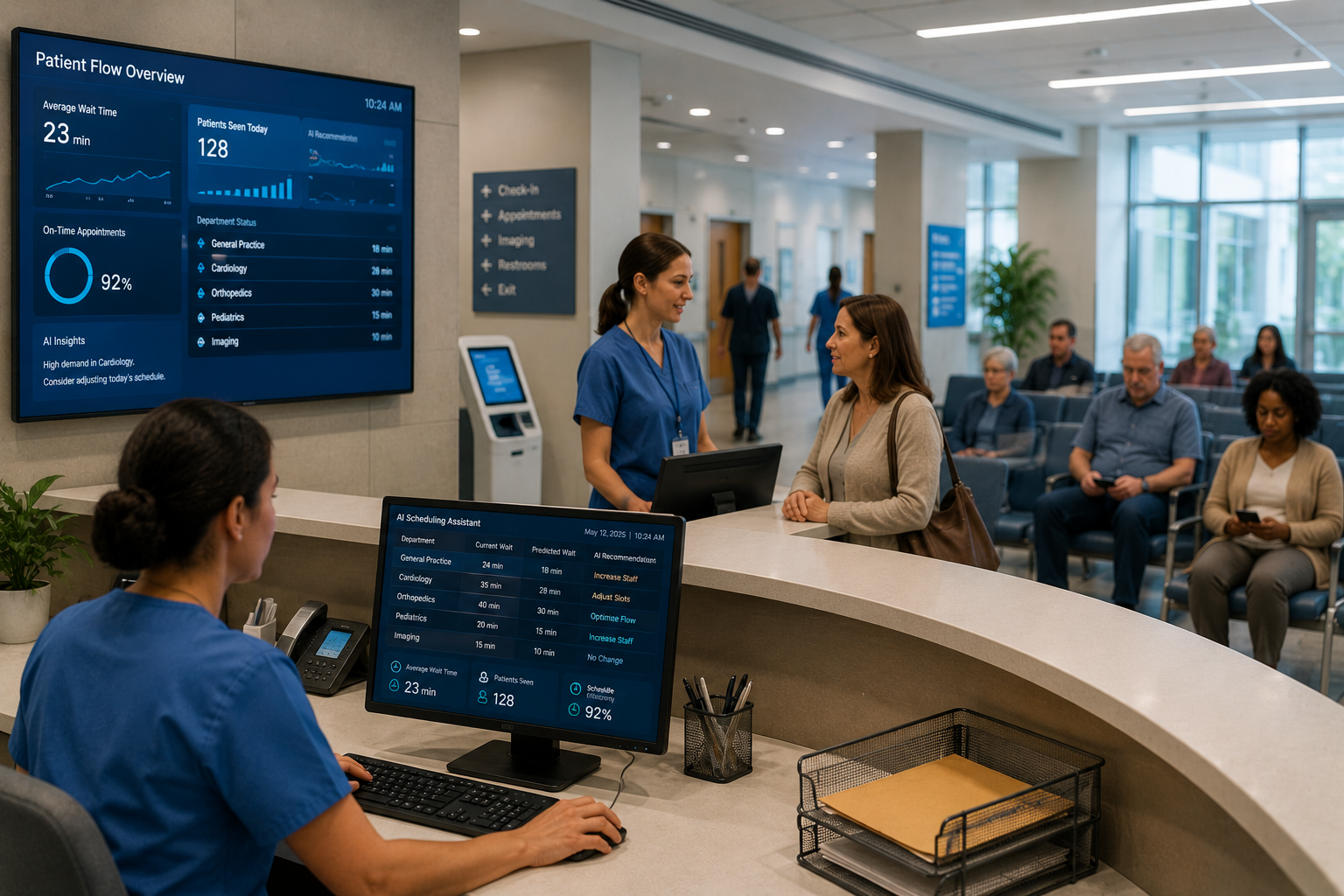
Anyone who has spent hours in a crowded waiting room understands how frustrating healthcare delays can feel. When hospitals become overloaded, patients feel anxious, staff members work under pressure, and schedules quickly fall behind. What many people do not realise is that delays are often caused by operational problems behind the scenes rather than a … Read more

How Wearable Devices Detect Early Health Pattern Changes

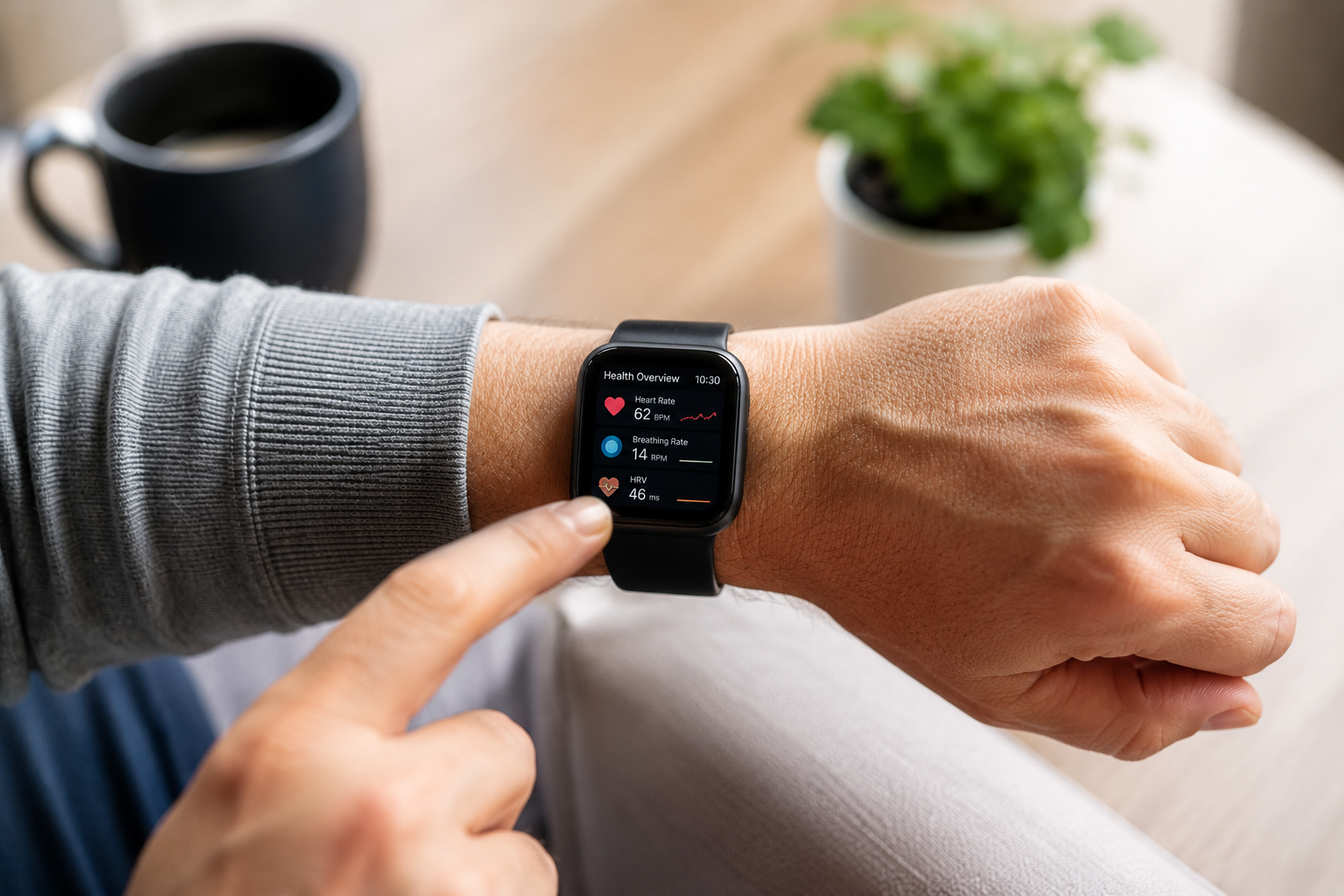
Most people only think of fitness equipment when it comes to wearables. Smartwatches record your steps and activity level and display notifications from your phone throughout the day. But wearables have evolved into something much more practical and fun: devices that can detect subtle changes in health patterns before people even realise it themselves. This … Read more

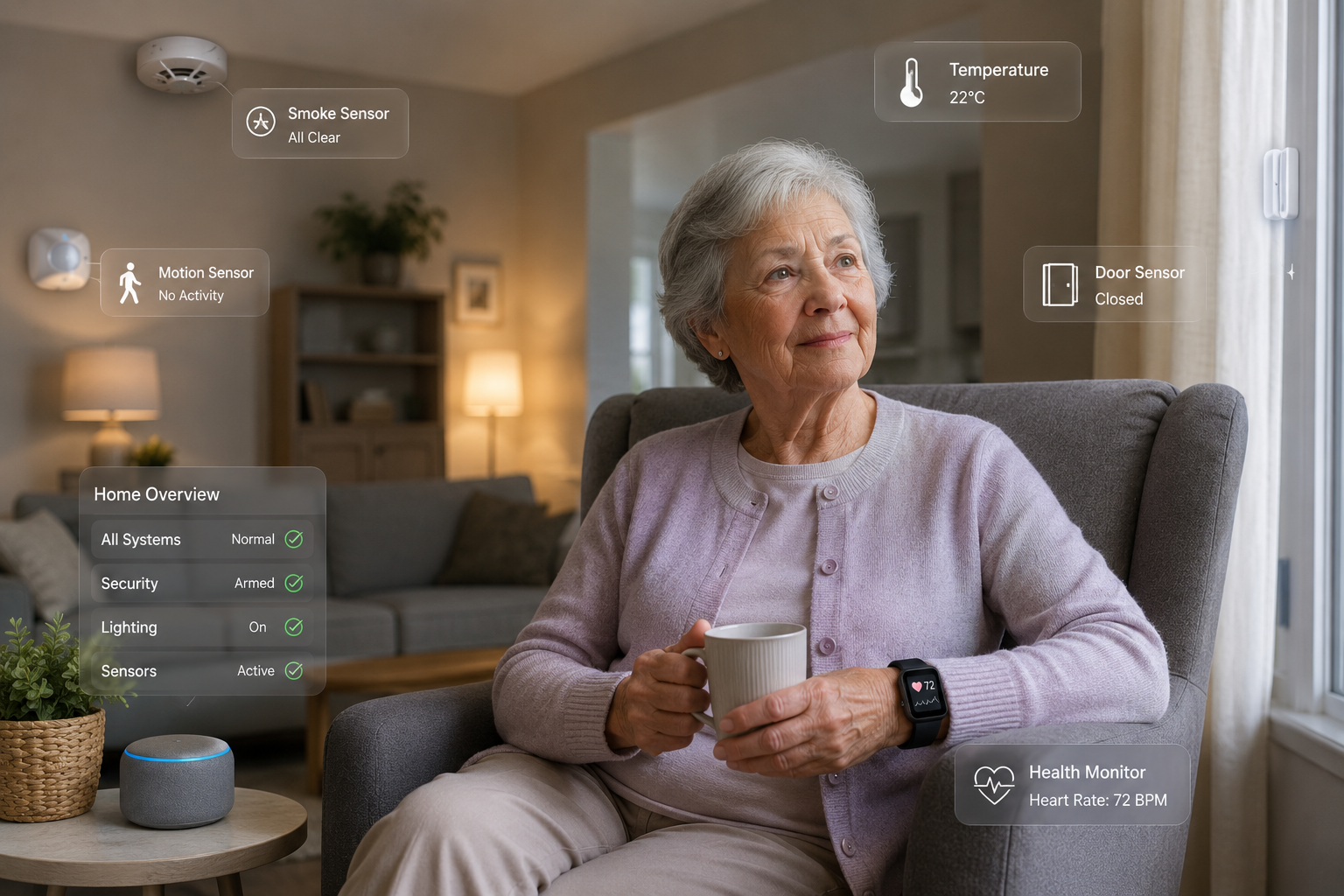
The Role of Smart Sensors in Modern Elderly Care Systems

Many families hope that their elderly relatives can continue living independently for as long as possible. At the same time, informal carers often worry about safety and potential accidents in daily life (such as falls or subtle changes). This conflicting need for both independence and assistance drives the increasing use of smart sensor technology in … Read more

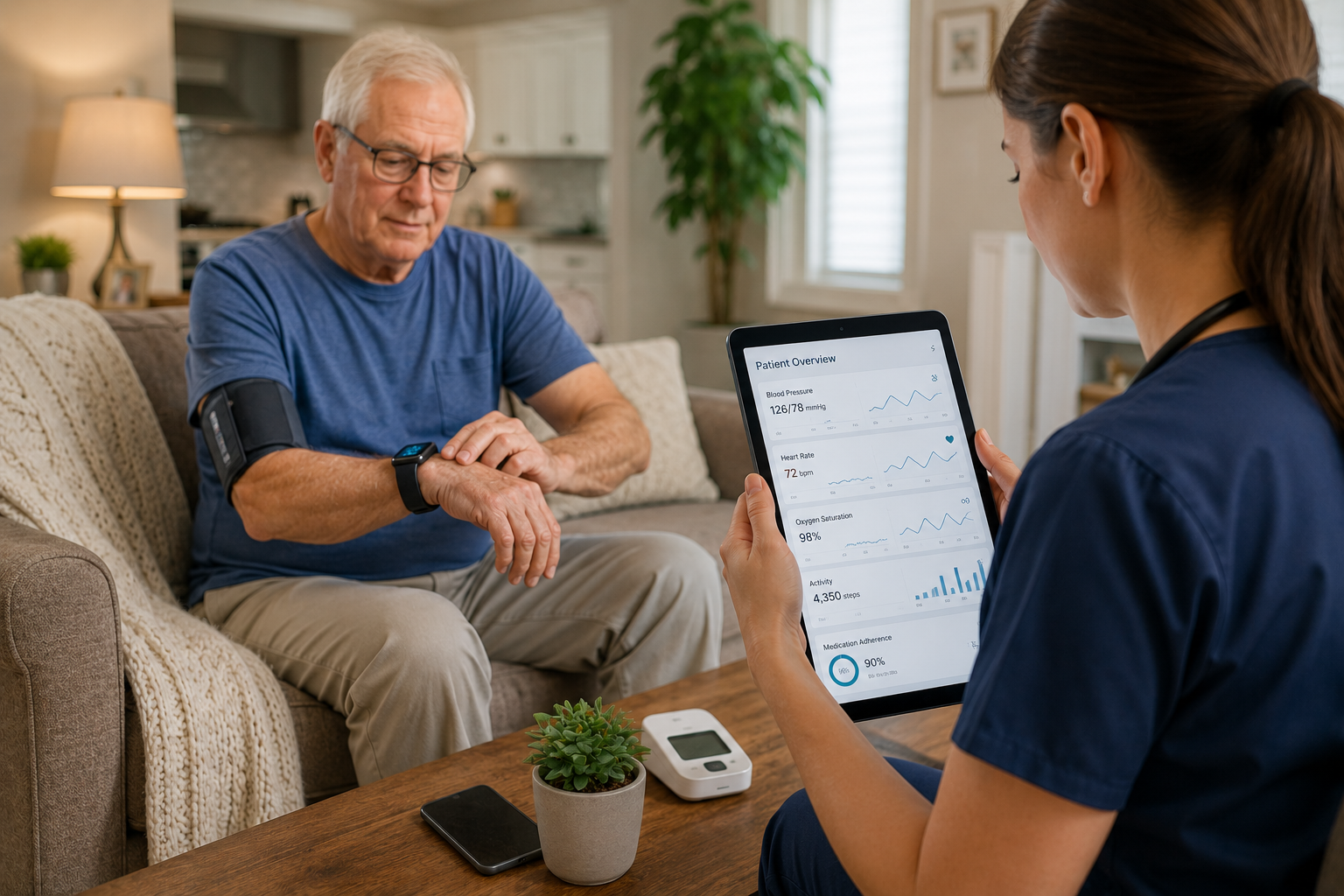
How Remote Patient Monitoring Is Changing Home Healthcare

For a long time, in-person consultations have been an essential part of healthcare. Patients must travel to clinics for basic health checkups, follow-up appointments, and routine check-ups, which often entails time, travel time, and significant waiting times. This model is changing. Remote Patient Monitoring (RPM) enables doctors to monitor a patient’s specific health data while … Read more

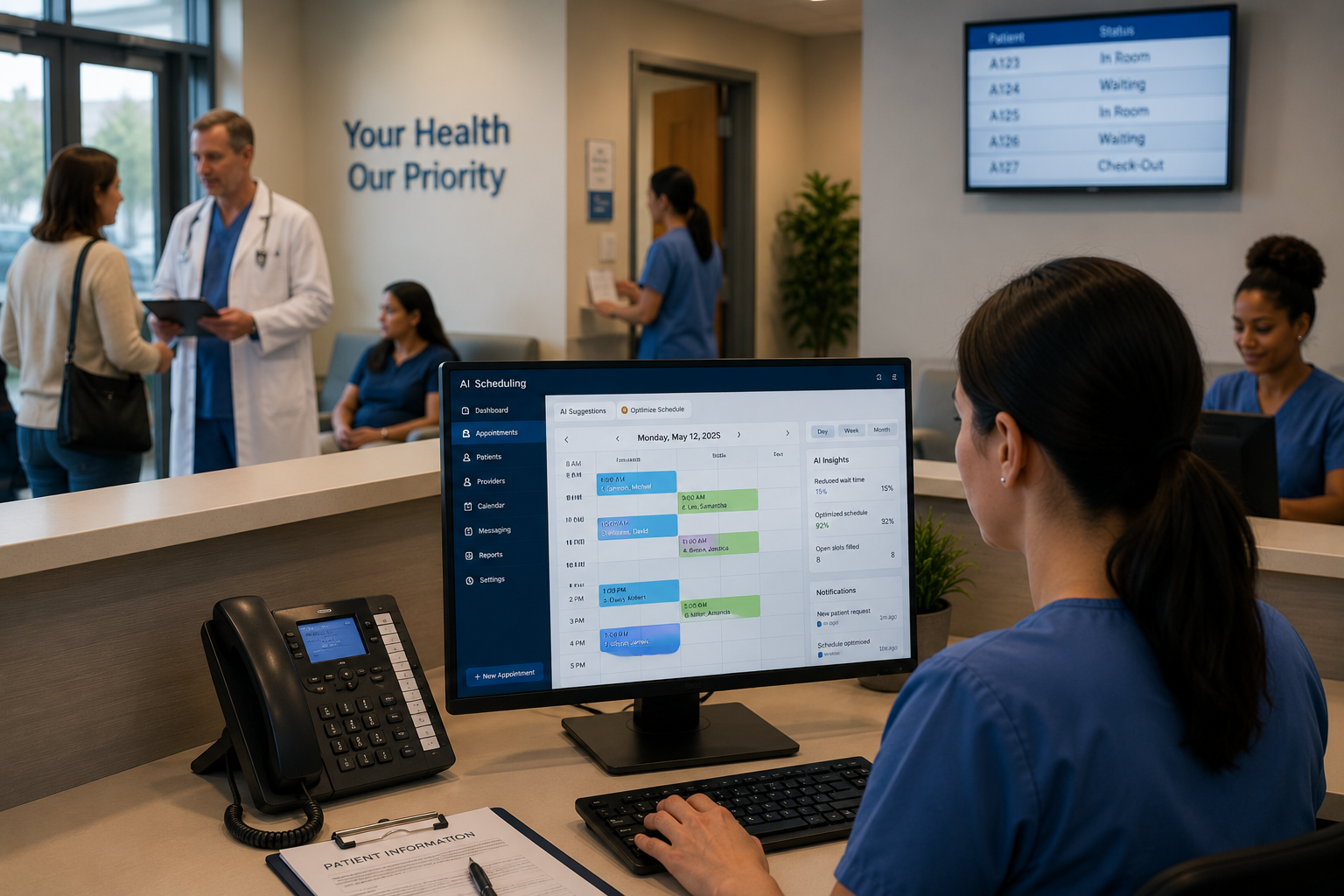
Why AI Scheduling Systems Help Clinics Operate More Efficiently

Running a clinic involves much more than just patient care. Behind every appointment lies a complex system that involves scheduling, staffing, space utilisation, cancellations, emergencies, and ensuring everyone understands the next steps. Even smaller clinics struggle to keep everything running on time during busy weeks. Appointments scheduled late in the morning often lead to problems … Read more

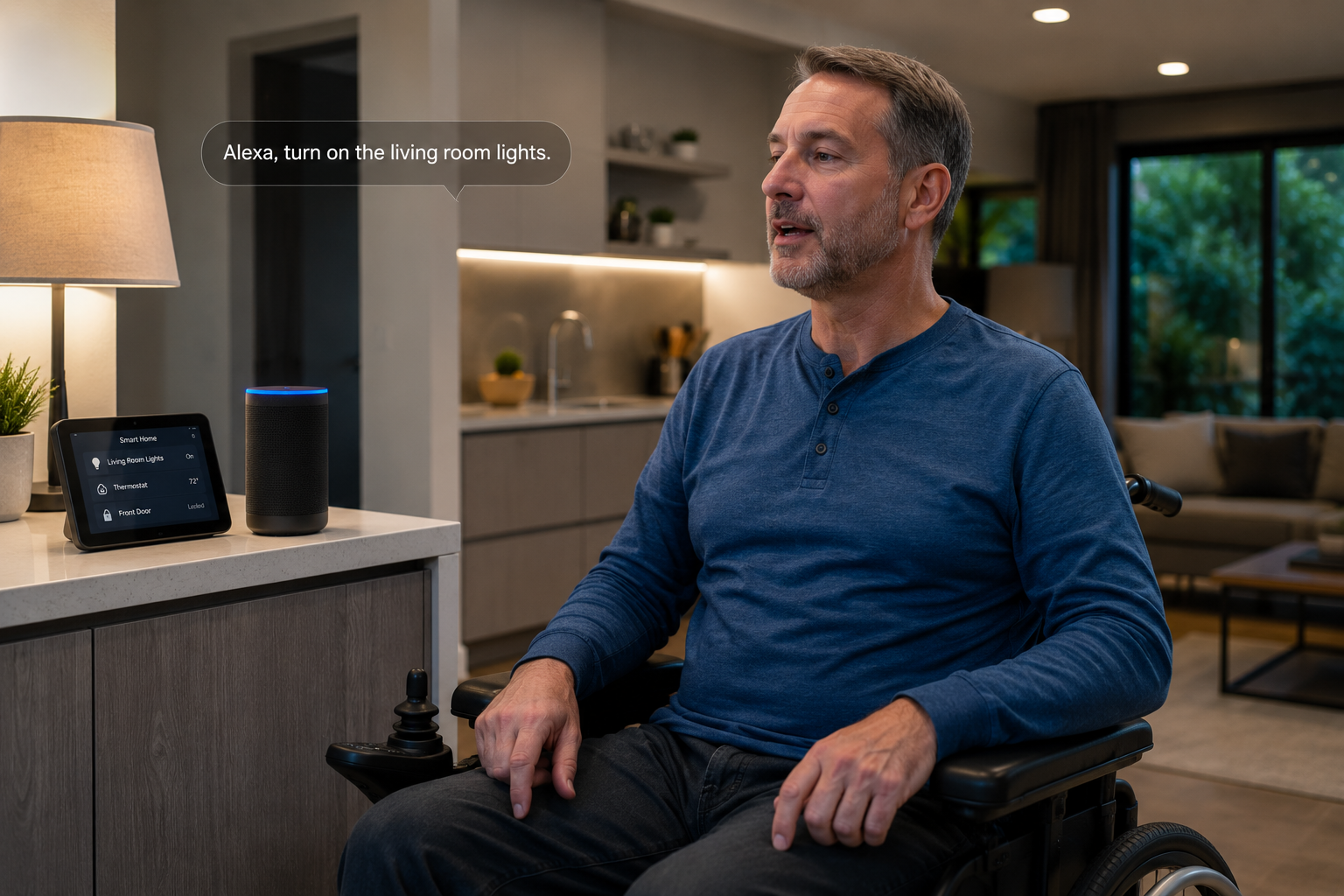
How Voice-Controlled Devices Assist People With Limited Mobility

For people with limited mobility, everyday routines often require more physical effort than most others realise. Something as simple as turning off a light, adjusting a thermostat, answering a phone call, or changing television channels may require assistance, extra movement, or adaptive equipment. This is one reason voice-controlled technology has become increasingly valuable in accessibility-focused … Read more

The Technology Behind Fall Detection Systems for Seniors

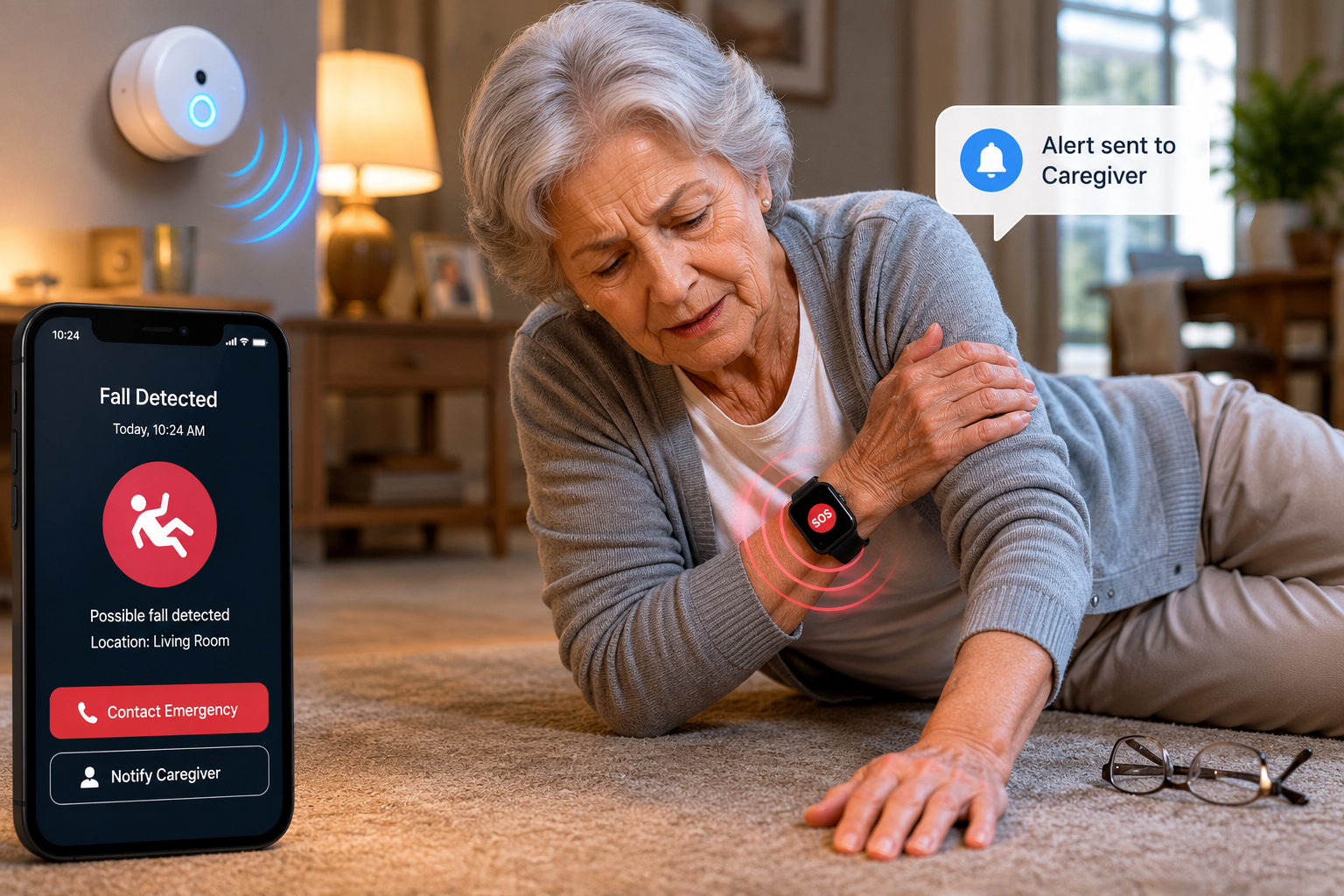
Many seniors strive to continue living independently for as long as possible. Family members often share this wish, but one of the greatest challenges for seniors living alone remains the fear of falling. A simple fall can quickly escalate into a dangerous situation if a senior lives alone, loses their balance, and struggles to reach … Read more

How AI Chat Systems Are Being Used for Patient Communication Support

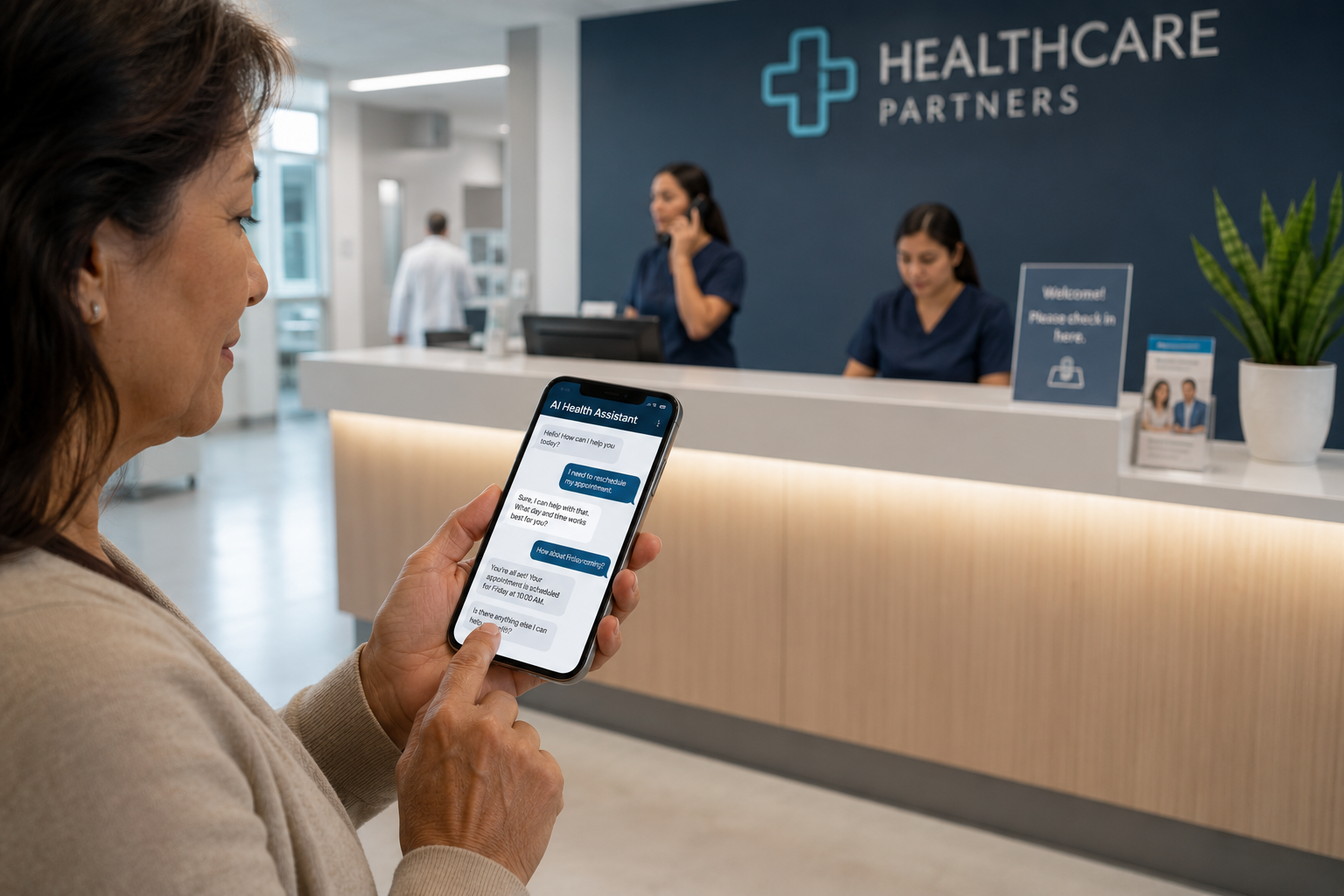
Modern healthcare systems process an enormous amount of communication daily. Patients call clinics to ask questions, confirm appointments, request follow-up appointments, view instructions, or receive updates on ongoing treatments. Smaller healthcare institutions often struggle to handle the constant stream of text messages, phone calls, and appointment requests. Patients often experience communication delays even before they … Read more