How AI Fitness Apps Create Personalized Workout Plans

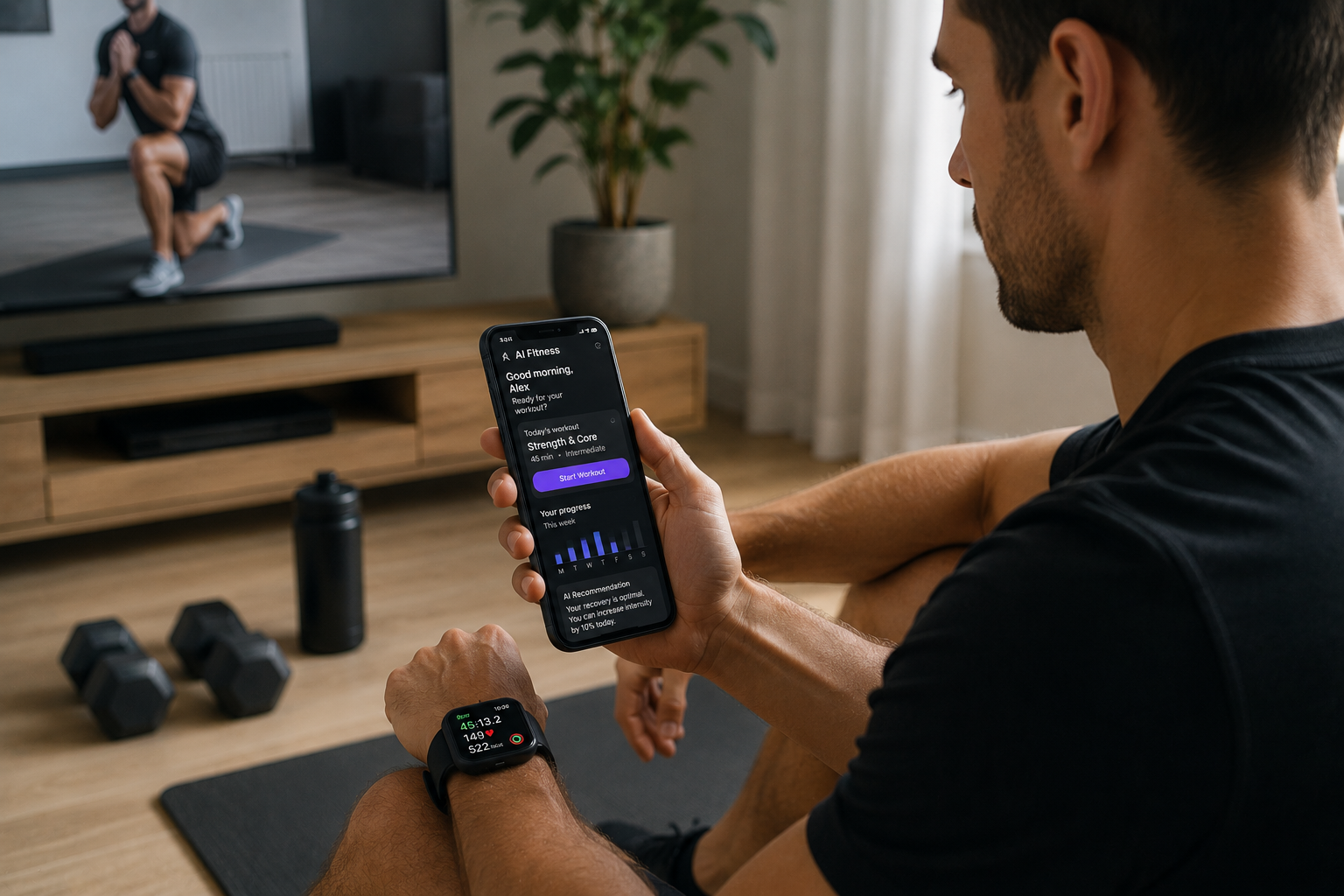
For years, many people have blindly copied fitness routines from magazines, fitness websites, or social media influencers, without understanding whether these routines are suitable for their fitness level or personal goals. This approach is often frustrating. Some exercises are too difficult, others too monotonous, and many people eventually give up after attempting to stick with … Read more

How Recovery Tracking Helps Prevent Overtraining Injuries

Not so long ago, tracking workouts mainly meant writing down training schedules on paper or estimating progress from memory. Often, people could only guess how far they had walked, how many calories they had burnt, or whether they were making progress. Smartwatches have revolutionised this. Today, wearable fitness systems have evolved from simple pedometers to … Read more

The Benefits of Heart Rate Zone Training for Beginners

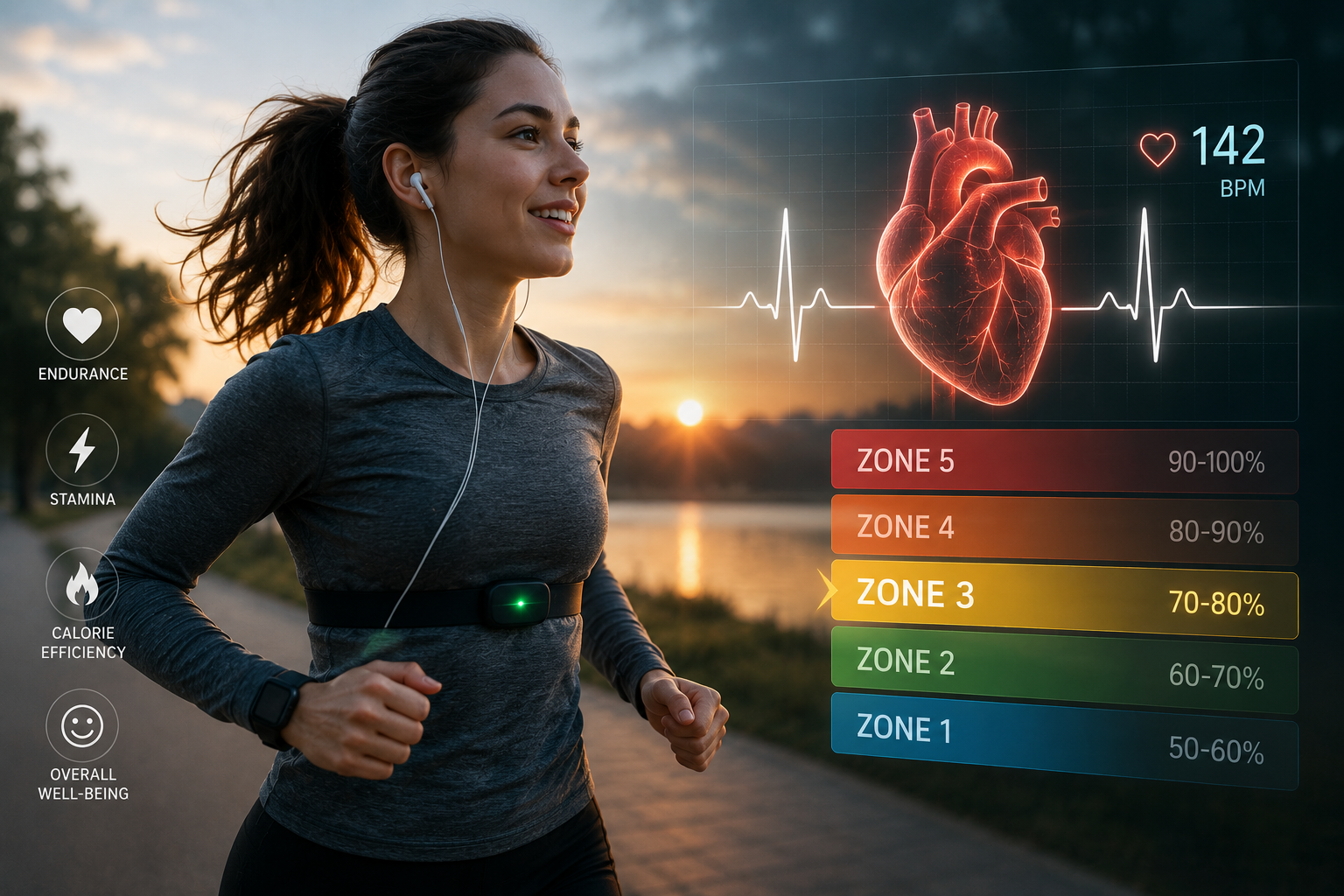
Heart rate zone training, a fitness method, uses heart rate (BPM) to determine training intensity. This method helps beginners avoid overtraining, build a strong aerobic base, and ensures steady progress. To easily improve cardiovascular health and minimise risks, beginner athletes can train within specific heart rate zones. Starting a new training programme can be exciting … Read more

How Smart Mirrors Are Changing At-Home Workout Experiences

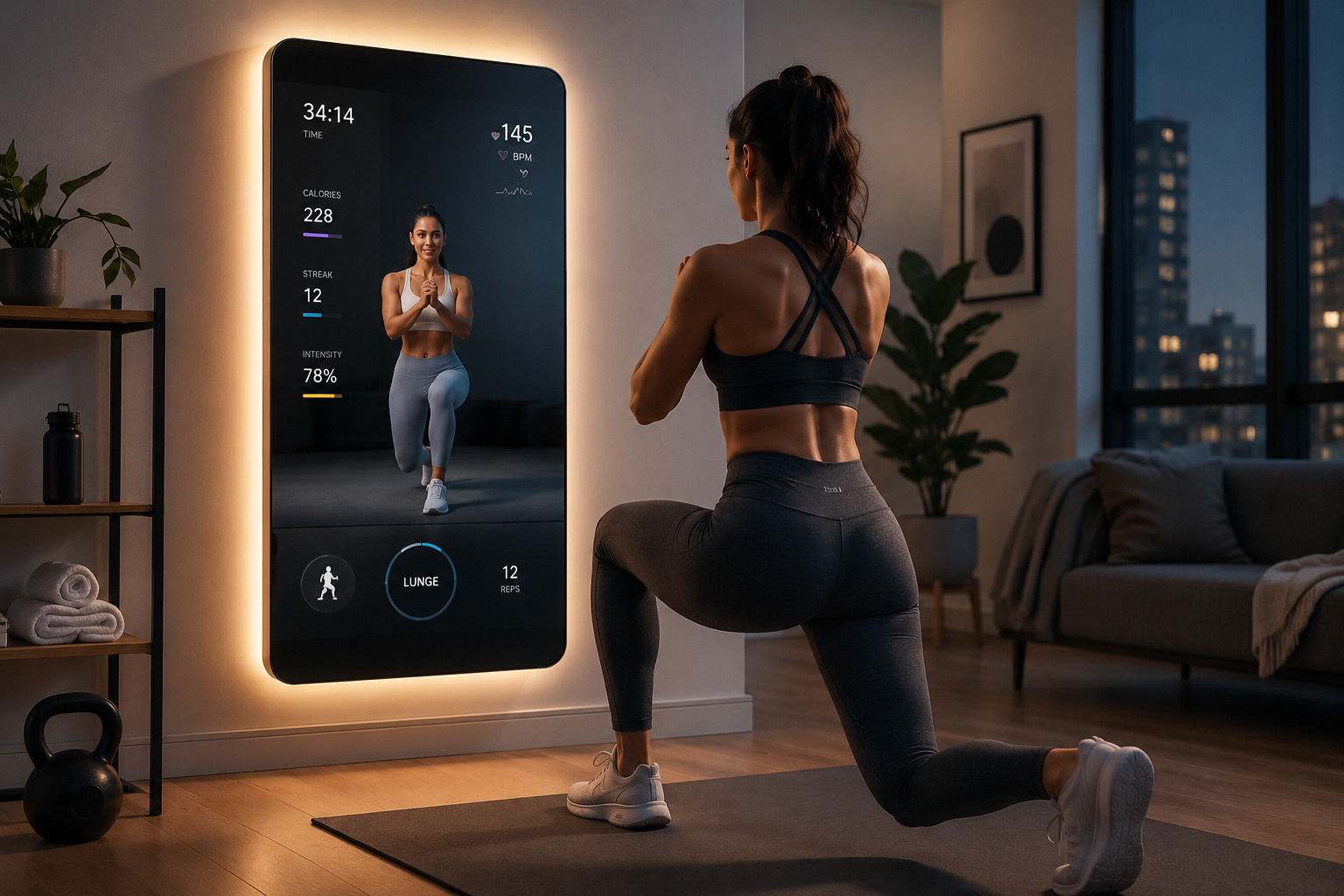
Smart fitness mirrors combine high-definition mirrors with interactive technology, taking the home fitness experience to the next level. These devices can play live and on-demand classes, correct posture in real time using AI motion tracking, and capture accurate workout data. This technology brings the complete experience of a professional gym home. In the past, high-quality … Read more

Why Many People Quit Fitness Plans Without Progress Tracking

People often give up on their training plans because they do not see tangible results from their efforts. Once the initial enthusiasm has faded, motivation naturally declines sharply without a structured way to track progress. Tracking data such as body weight, strength gains, and endurance shows you concrete progress, keeping you motivated and allowing you … Read more

How AI Running Coaches Adjust Training Based on Performance

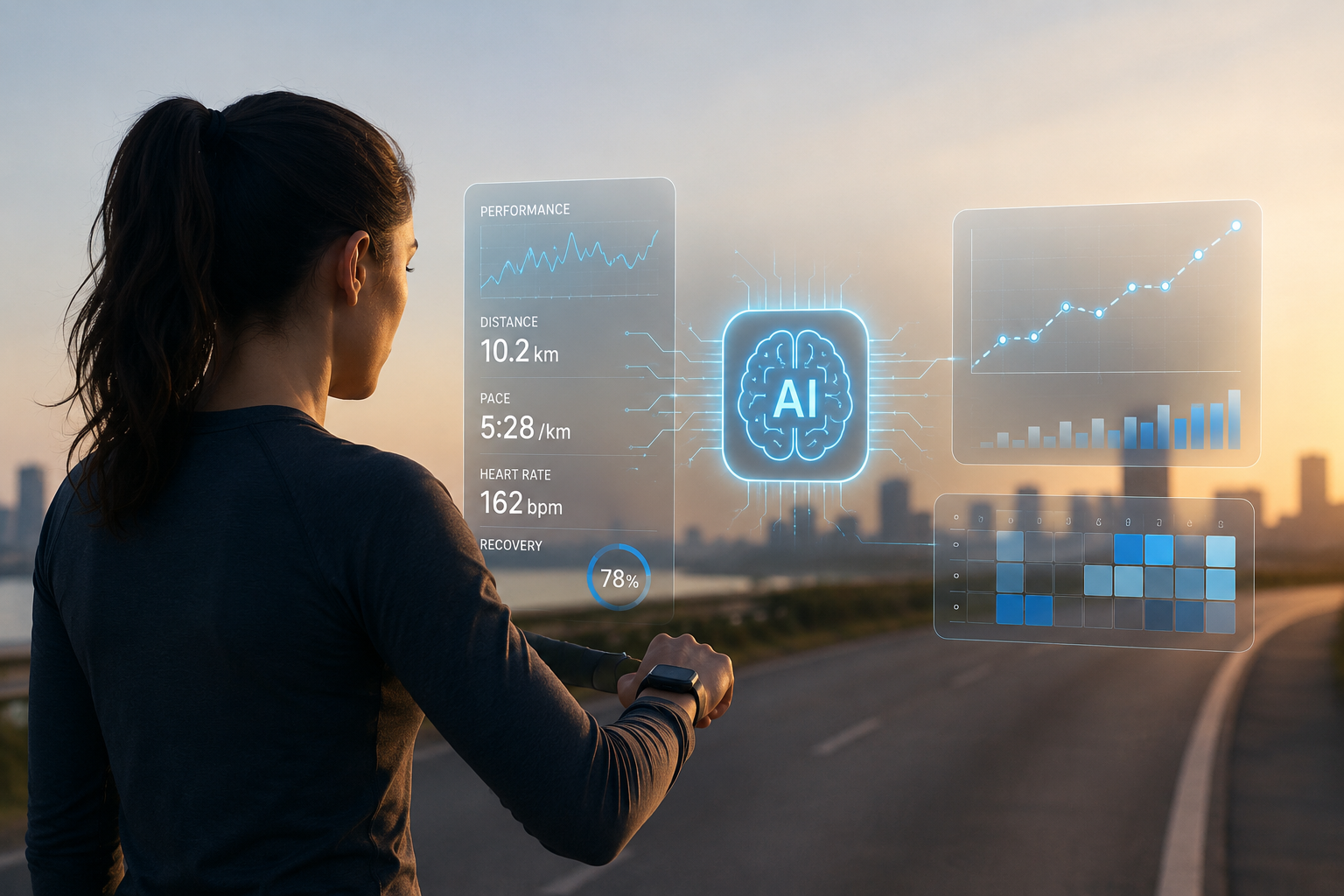
Runners use AI running coaches that track daily heart rate variability, sleep quality, cadence, and other variables to create personalised training plans. Machine learning algorithms use this data to adjust the volume, intensity, and frequency of future workouts in real time, maximising performance and minimising injuries. Running training used to be based on static, paper-based … Read more

The Role of Motion Tracking in Improving Exercise Form

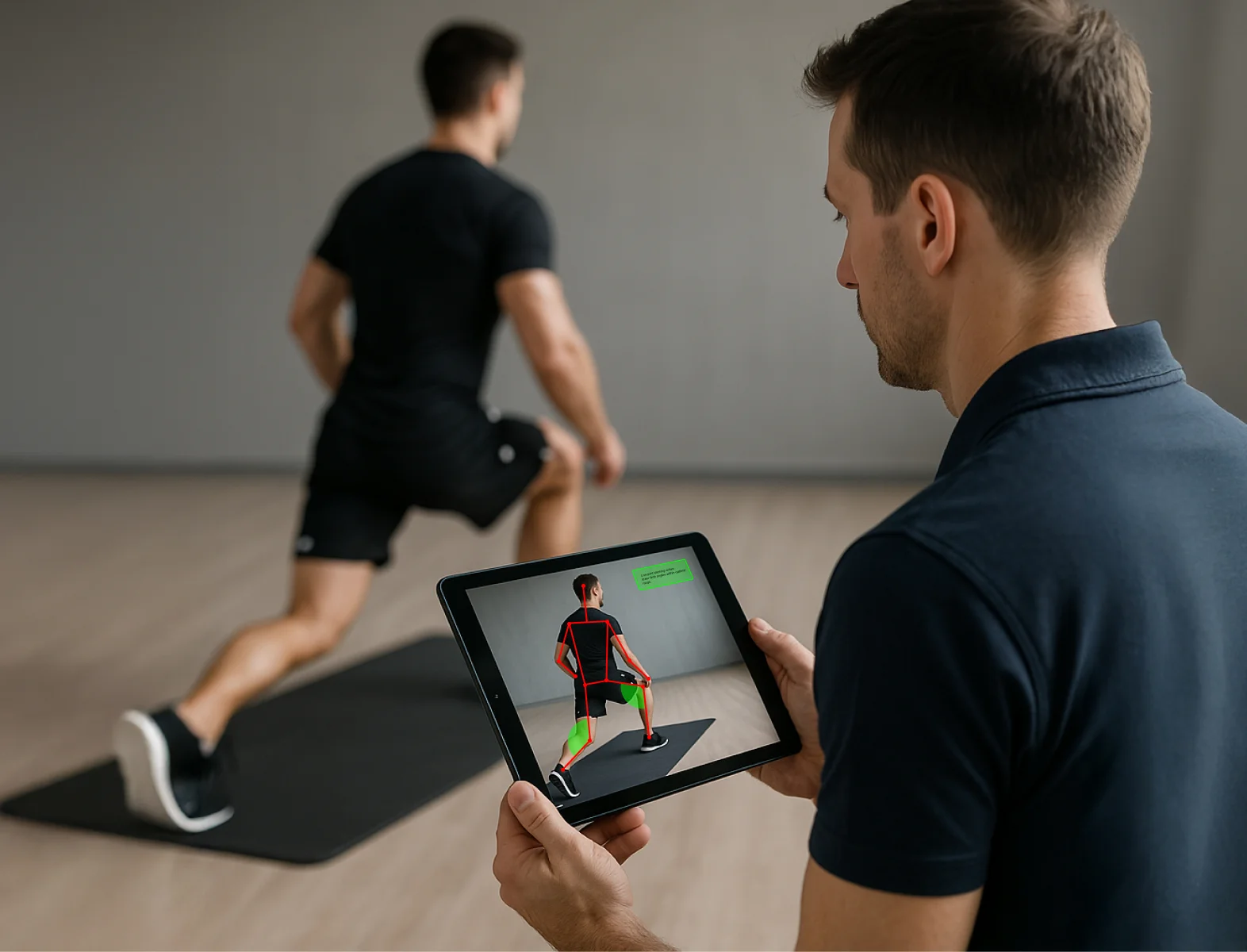
Motion tracking technology uses advanced sensors and cameras in real-time to analyse the body mechanics. This fitness technology gives users immediate feedback that can be used to prevent injuries during workouts and maximise muscle engagement. It does so by ensuring proper posture, alignment of joints, and execution of movements. To achieve the perfect deadlift or squat, you … Read more

How Fitness Wearables Measure Daily Activity More Accurately Today

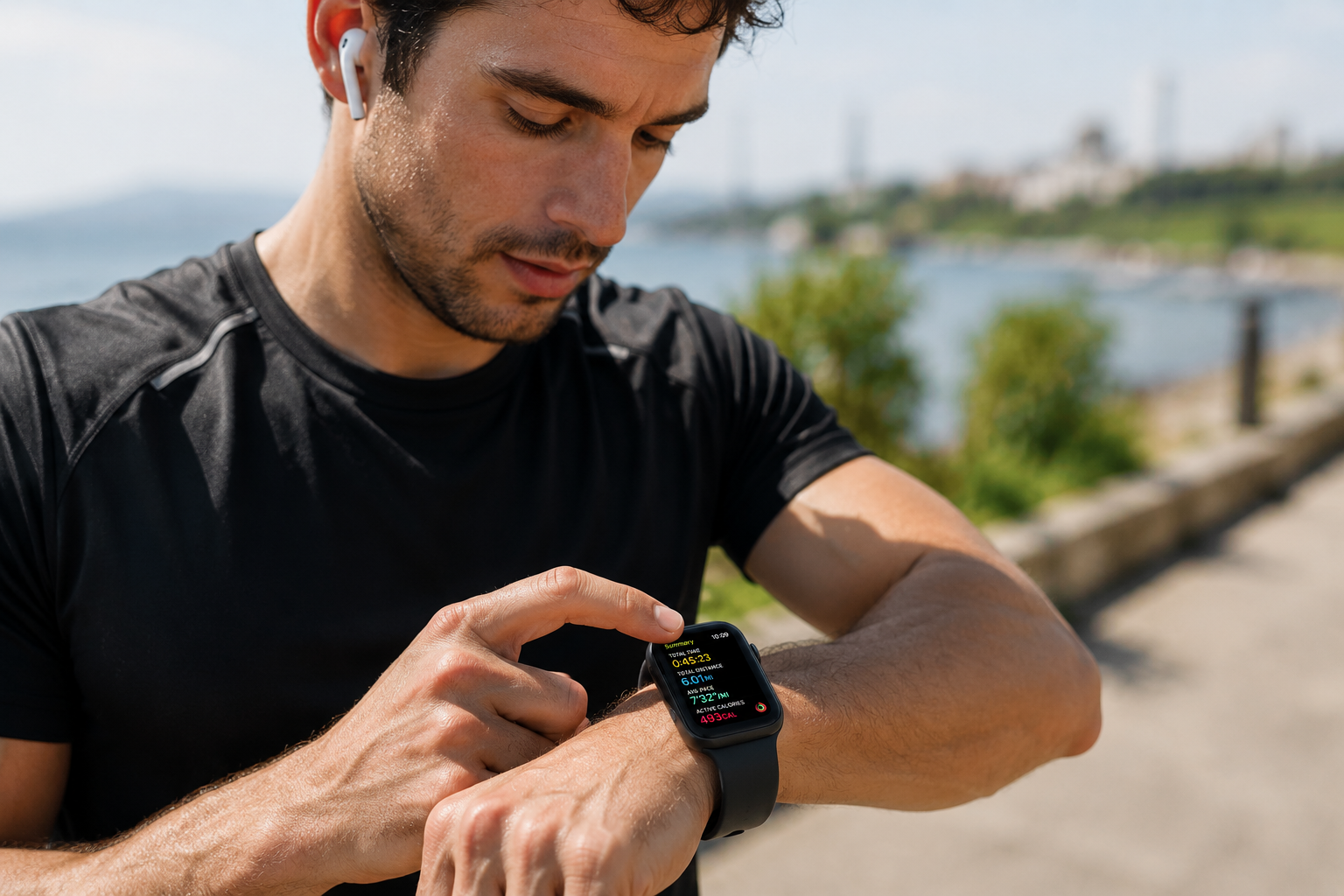
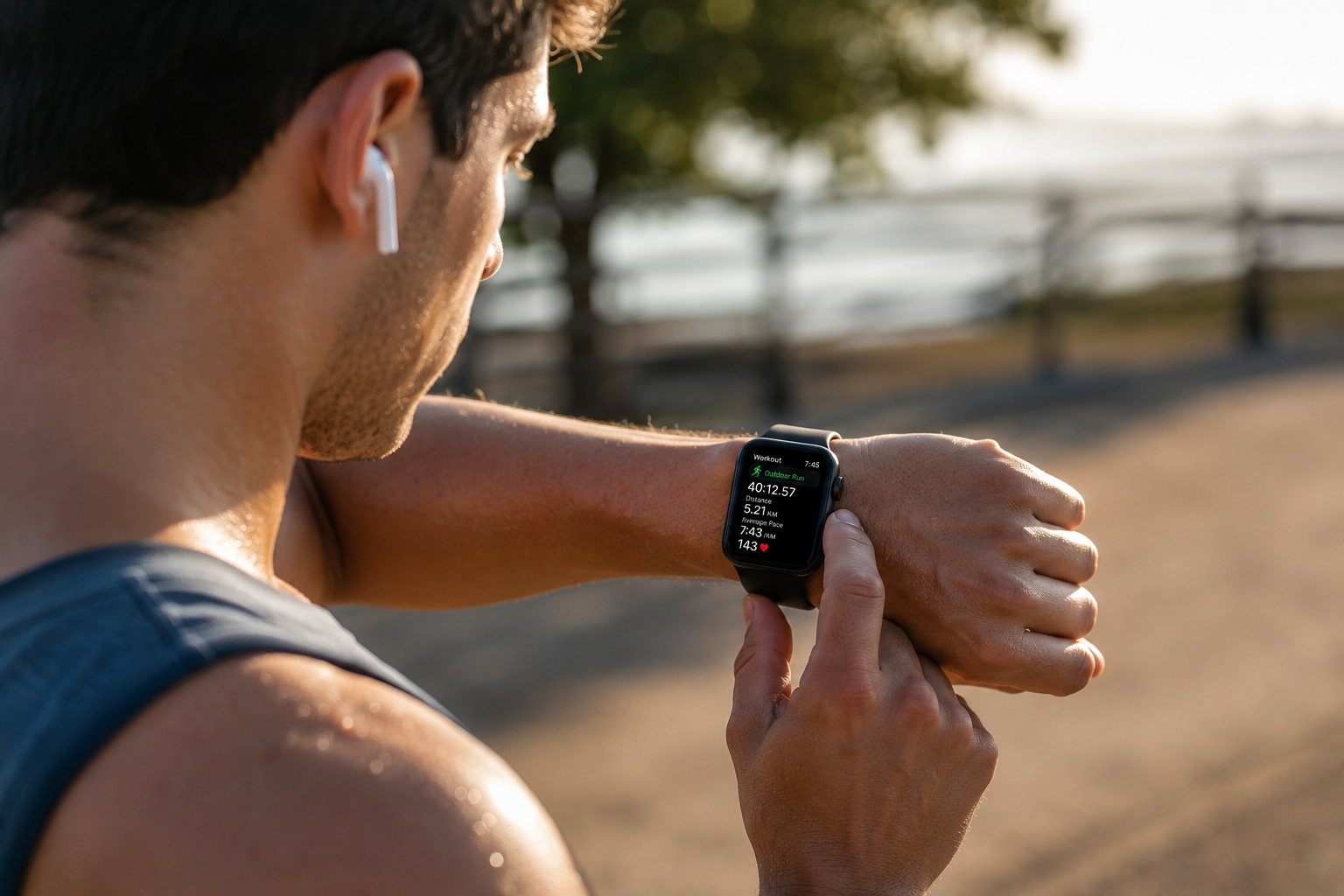
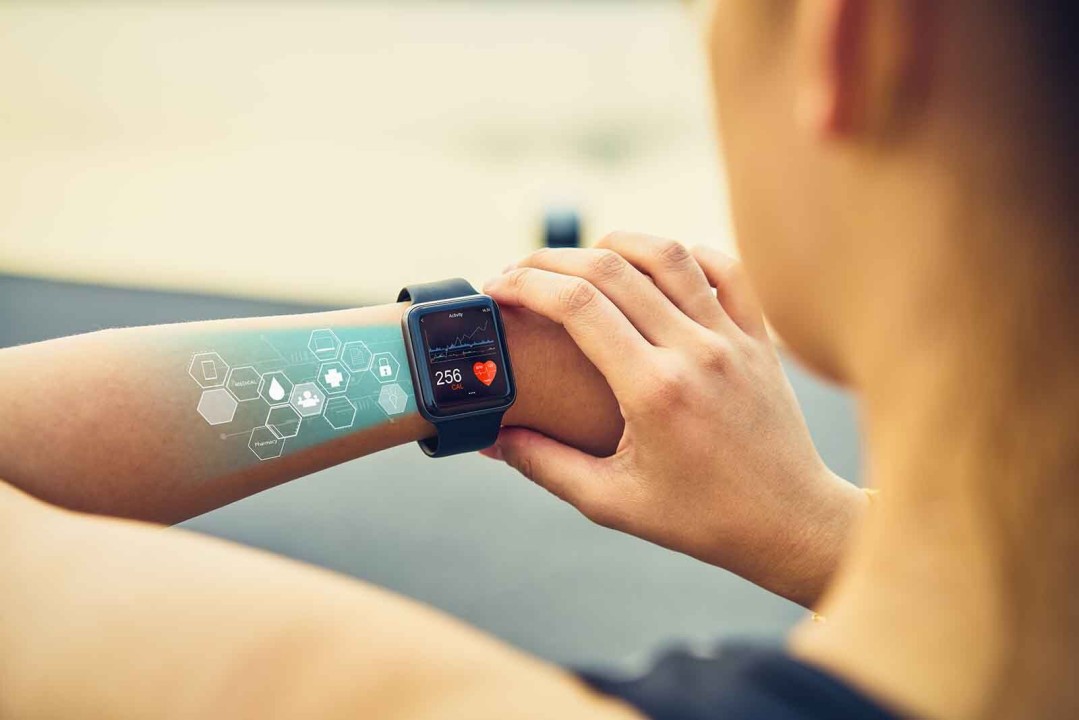
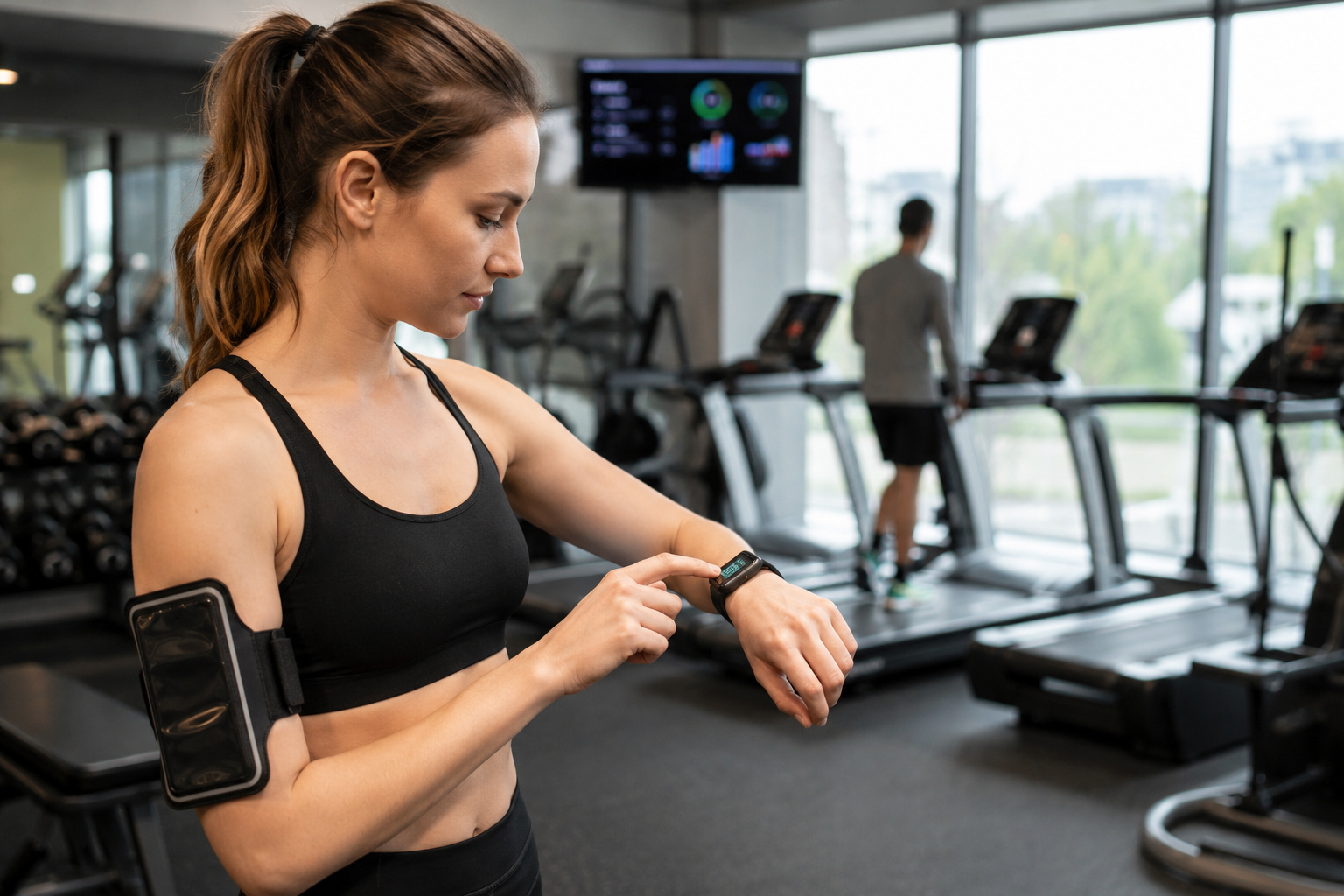
Current wearable fitness devices combine advanced multi-axis accelerometers, optical heart rate sensors, and GPS technology to more accurately represent our daily activities. Machine learning algorithms interpret this raw sensor data and filter out random movements to provide users with precise step counts, calorie calculations, and training intensity monitoring. Ten years ago, simply wearing a pedometer … Read more

Why Short, Data-Driven Workouts Are Growing in Popularity

Data-driven short workouts are gaining popularity as they maximise fitness results with minimal time. Wearable technology and fitness apps enable individuals to track their heart rate and power output, allowing them to customise their training sessions. This eliminates guesswork and prevents overtraining. Lack of time is the main barrier that prevents people from maintaining a regular … Read more