
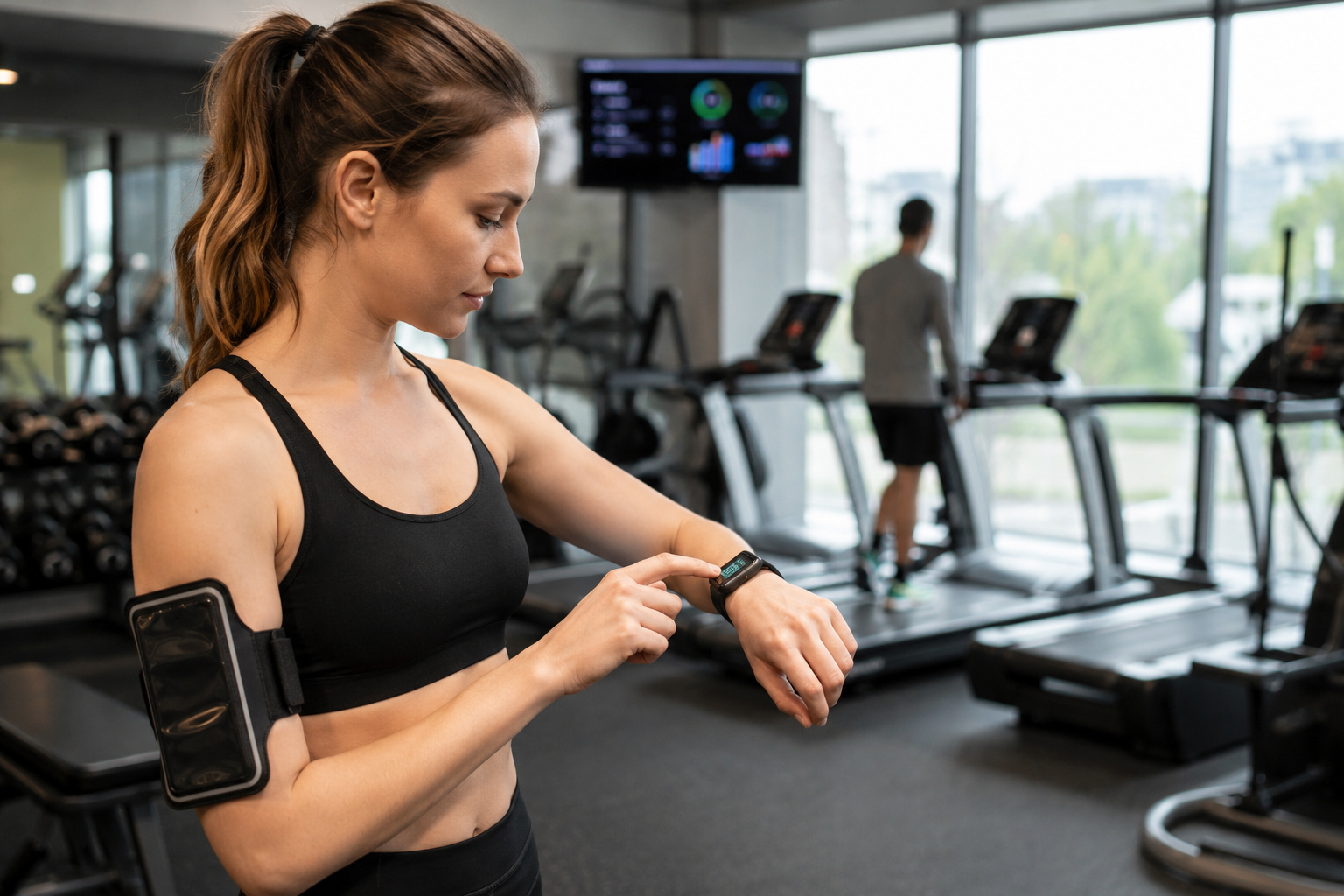
Data-driven short workouts are gaining popularity as they maximise fitness results with minimal time. Wearable technology and fitness apps enable individuals to track their heart rate and power output, allowing them to customise their training sessions. This eliminates guesswork and prevents overtraining.
Lack of time is the main barrier that prevents people from maintaining a regular exercise routine. Since the 1960s, fitness experts have recommended spending an hour at the gym lifting weights and jogging on a treadmill. The traditional approach is time-consuming, and many people skip exercising when their schedules are too busy.
Recent years have seen a giant shift in the fitness industry towards efficiency. Scientists and technologists have joined forces to prove the importance of quality workouts over workout duration. Tracking specific biological metrics allows individuals to achieve better health in less time than previously believed.
This blog explores how technology has reshaped our approach to exercising. Learn the mechanics of short, metric-focused training. Understand why this method prevents injuries. Discover practical ways to incorporate actionable health data in your weekly fitness routine.
What are Short, Data-Driven Workouts?
Data-driven workouts are short but combine high physical intensity with real-time biometric tracking to optimise performance. This approach does not measure a workout by how many minutes it takes, but rather by the physiological impact. Individuals wear digital fitness trackers to monitor metrics like heart rate zones and oxygen saturation.
The sessions are usually 15 to 30 minutes long. The fitness app or wearable device gives immediate feedback so the user knows exactly when they reach their target cardio threshold. The workout ends when the digital tracker shows that the goal has been reached.
This method eliminates all “junk mileage” – a term endurance athletes use to describe training that increases fatigue without improving fitness. Focusing solely on data, people can ensure that sweating contributes actively to their health goals.
Why Are Busy Professionals Switching to Data-Driven Fitness?
Data-driven fitness allows professionals to plan their schedules with total predictability. You can schedule an effective 20-minute session between meetings based on real-time biometric data. If time efficiency is more important to you than social culture in the gym or high training volumes, choose short sessions that are data-backed.
Wearable technology is the world’s most popular fitness trend, according to the American College of Sports Medicine (2020). The fact that objective data eliminates human guesswork is the main reason for this popularity. Fitness applications analyse your sleep quality and heart rate at rest to determine how hard you should work out on a given day.
This highly measured approach also reduces the likelihood of injury. The traditional programmes encourage people to push themselves through fatigue, which can compromise their physical form. Users of data-driven workouts are explicitly instructed to lower or stop their intensity when biometric markers indicate unsafe levels of physical stress.
- Maximise your efficiency: Get cardiovascular and muscular benefits within 30 minutes.
- Personalised recovery: Adjust the daily physical output according to exact sleep and stress metrics.
- Objective progression: Rather than relying on subjective feelings, Document numbers to track tangible improvements in fitness.
How Can Fitness Wearables and AI Improve Workout Efficiency?
Wearable fitness devices and AI platforms create a feedback loop that is continuous. Apple Watches, Garmin smartwatches, and Whoop straps all collect continuous physiological data throughout the day. These wearables provide a comprehensive picture of a person’s fitness level before they begin a workout.
AI-powered apps analyse data to create a highly personalised training plan. If, for example, an AI-powered fitness platform detects a decrease in heart rate variability of an individual, the software will automatically change the scheduled high-intensity interval training (HIIT) into a gentle 15-minute movement routine.
The dynamic adjustment process ensures that the body receives the exact stimulus it requires to become stronger, without going over the edge into overtraining. AI platforms can learn a user’s unique physiological patterns over time. This means that the exercise prescriptions will become more accurate and effective as the user continues to use the technology.
The Next Steps in Building a Data-Driven Exercise Routine
It is not necessary to hold a degree in fitness science to transition into a data-driven routine. Start with a fitness wearable device that tracks your sleep and heart rate accurately. Wear the device for two weeks without altering your habits. This will establish your baseline biometric data.
Download an AI-driven fitness app that seamlessly integrates with your wearable once you’ve established your baseline. Let the software determine the duration and intensity of each workout for the entire month. You will spend less time exercising and feel stronger, energised, and more rested if you let the software do all of the work.
FAQs
How long should a data-driven workout last?
The average duration of a data-driven, highly optimised workout is between 15 and 30 min. You can get the desired physical stimulus faster by closely monitoring the intensity and matching it to your physiological capacity.
What is the best fitness tracker for short workouts?
The best fitness tracker is entirely dependent on your exercise style. The Apple Watch is a smartwatch that offers excellent heart rate monitoring. The Whoop strap, on the other hand, focuses more on detailed recovery metrics and heart-rate variability analysis.
Can beginners safely use data-driven workouts?
Data-driven workouts can be extremely safe for beginners, because the technology prevents excessive exertion. The fitness app will keep the intensity low, based on the initial biometric readings. It will only increase the difficulty as your baseline fitness improves objectively.
Do I need to pay for a subscription to use fitness data?
It is not necessary to pay for a subscription to track your fitness data. The majority of modern smartphones come with built-in health apps that can track basic metrics such as step counts and cardiovascular fitness estimates at no extra cost. This is a good starting point for beginners.