At first glance, it might seem impossible to build financial security without an income. Just contemplate it: how do you save, invest, and manage your expenses without a steady income? That does indeed sound worrying. But the truth is that you can lay a foundation for financial security even without an income. The key is to take practical, consistent steps and make beneficial use of your existing resources. This guide shows you how to build financial stability from scratch, without complicated terminology or elaborate plans.
Understanding your Current Financial Situation
Understanding your current financial situation is crucial before taking steps to improve it. If you have no income, you must map out all your existing resources, no matter how small. This includes cash, savings, valuables, and potential sources of funding you may have overlooked. A simple inventory of what you have, what your debts are, and which major accounts you have is a good start. This financial clarity helps you determine what needs immediate attention and also helps you plan for the future. Understanding your finances also means understanding your spending habits. Even without an income, you still have to pay expenses such as rent, energy costs, or groceries. Understanding these expenses enables you to find alternative ways to deal with them, such as negotiating payment terms, seeking help from the community, or finding cheaper alternatives. The better you understand your finances, the more control you have over your choices.
Set Realistic Financial Goals
The next step is setting achievable goals, even without an income. Your financial goals do not have to be grand or unattainable. Start with simple, concrete goals, such as saving your first €50, finding a job within a month, or cutting unnecessary expenses. When you achieve these small goals, you will feel proud and be more inclined to take further steps.
Realistic goals also help you stay on track. You no longer have to worry about the vague concept of ‘financial stability’; you have concrete goals to strive for. As you consistently complete each small step, it will eventually build a stronger financial foundation for you. Remember that the road to stability is long and hard and that patience is just as important as planning.
Create a Simple Budget
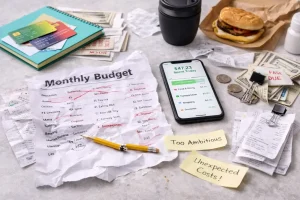
Even if you have no income, you must create a budget. A minimalist budget includes only what you truly need and excludes unnecessary items. This approach allows you to carefully consider what is essential and what is not. First, categorize your expenses, including basic needs such as food, shelter, transportation, and utilities. You can postpone or cut any expenses that do not fall into these categories until your financial situation improves.
When you have limited funds, you frequently need to devise clever strategies to manage your finances. For example, you can barter, share resources with friends and family, use social services, or find free ways to meet your basic needs. Keeping track of every expense, even the small ones, can help you avoid losses and better understand your financial situation. Over time, this habit will become an important tool for maintaining financial stability.
Find Ways to Earn Money Quickly
If you want to build financial security from scratch, you need to find ways to earn money as quickly as possible. Long-term plans, such as finding a better job or starting your own business, are important, but earning money quickly can help you make ends meet and start saving. Freelancing, part-time jobs, online microtasks, selling unwanted items, or participating in neighborhood projects that help others are all ways to earn money without a large upfront investment.
Online platforms can be more effective than you think. Although jobs like virtual assistant, content creation, data entry, and surveys won’t make you rich overnight, they are excellent ways to earn money regularly. Even part-time or temporary work can improve your finances and teach you how to manage your money wisely. The key is to start with small amounts, build up gradually, and eventually develop a larger financial plan.
Building an Emergency Fund
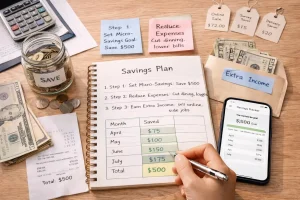
As soon as you start earning money, it is crucial to build an emergency fund, even if it is only a small amount. An emergency fund acts as a safety net and protects you against unexpected expenses such as medical emergencies, home repairs, or unemployment. Start by saving €10 or €20 per week, and as your income grows, you can save more.
Do not use your emergency fund to buy things you do not need or want. Its purpose is to alleviate financial stress and prevent people from incurring debt during difficult times. By saving regularly, you build a safety net that allows you to make informed choices instead of acting out of fear of loss. Over time, the sense of security it provides will be essential for financial stability.
Getting Rid of Debt and Not Taking on New Debts
Debts that you cannot repay hinder the growth of your financial security. Even if you currently have no income, it is essential to understand how to manage debt. Avoid credit card debt or high-interest loans to prevent your debts from getting out of hand. If you currently have debts, negotiate a repayment plan or payment deferral with your creditors to avoid penalties and a greater financial burden.
A sensible lifestyle is also an important part of effective debt management. Do not buy things you do not need, do not spend money on things you do not need, and do not take out ‘quick loans’ that claim to solve your problems immediately. Your financial stability increases as you reduce your debt and use all your resources wisely. Developing the habit of living within your means is crucial, especially if you have a low income. In the long run, this ensures your financial security.
Leveraging Community and Government Assistance
Many people who have built their own businesses are unaware of the various support programs offered by the government and the community. Depending on where you live, you may be eligible for food banks, short-term financial support, housing assistance, discounts on energy bills, or job placement assistance. These programs are designed to help people cope with life’s setbacks and provide the necessary support while they work to earn money.
Taking advantage of these opportunities is not a sign of failure, but rather a sensible step toward self-reliance. Seeking help can alleviate immediate financial pressure, leaving you with time and energy to find ways to earn and save. By proactively seeking out and applying for support programs, you can significantly accelerate your path to financial stability.
Developing Skills for Long-Term Income
Instant money can keep you alive, but by learning new skills, you can grow your wealth over time. Skills can increase your value in the job market, open doors to better-paying jobs, or even offer you the opportunity to start your own small business. Focus on skills with high demand and low learning costs, such as digital marketing, programming, graphic design, content writing, or practical skills like plumbing or carpentry.
Anyone can learn new skills through online courses, tutorials, and free resources. Even if you currently have only a small income, spending time learning new skills will contribute to your future financial security. A solid financial path lies in combining short-term income with long-term skill development.
Multiple Income Streams
Having multiple income streams contributes to financial stability. It is dangerous to be completely dependent on a single job or source of income, especially in an unstable economic climate. Explore different ways to earn money that suit you, such as freelancing, online sales, part-time work, or passive income—for example, by creating content or producing small digital products.
Even small extra incomes can help. For example, you can generate extra income by selling handmade items online or giving tutoring lessons. Increasing your income streams lowers your financial risk and improves your overall financial situation. Over time, these efforts can turn a zero income into a solid and diversified financial foundation.
Practicing Smart Spending Habits
As your income rises, responsible spending becomes crucial. For your financial stability, it is not about how much you earn but about how effectively you manage your available money. Prioritize necessary expenses over desires, avoid impulsive purchases, and look for special offers or second-hand items. By keeping an expense log, you can discover where you are wasting money and use any surplus to save or invest.
Planning for future expenses is also part of smart spending. Be prepared for bills, crises, and growth opportunities. By making well-considered choices and maintaining discipline, you can make your money work for you instead of against you. This behavior is essential for maintaining financial stability.
Smart Saving and Investing
Once your income is stable, even if it is not much, it is wise to think about how to save and invest wisely. Set up a savings plan that starts as a percentage of your income and grows over time. Investing, even with small amounts, can grow your savings and protect you against inflation. For beginners, low-risk investment accounts, government bonds, or small investment funds are good options.
Knowledge and perseverance are essential. Understand the simple investment options that suit your risk tolerance. Avoid risky investments that promise quick profits, as these slow down wealth growth. By saving and investing wisely, you can build wealth in the long term and turn a start without income into long-term financial security.
Developing a Positive Financial Mindset
Financial stability is not just about numbers; it is about your mindset. A positive, disciplined attitude toward money helps you maintain a healthy financial position. Focus on self-improvement, problem-solving, and learning from mistakes. Be patient if progress is slow and celebrate every small success. A good financial mindset reduces stress, encourages you to plan ahead, and ensures your ultimate success.
Your mindset also influences your behavior. When you view money as a tool rather than a source of stress, you make better choices, actively seek opportunities, and face challenges with confidence. When your actions align with your thoughts, your financial security grows naturally.
Planning Ahead
Finally, financial stability means planning for the future. Set short- and long-term goals, such as paying off debts, saving more for emergencies, or earning enough income to live independently. Regularly evaluate and update your financial strategies as circumstances change. Staying flexible means being able to handle unexpected situations and continue to improve yourself.
Personal growth is also part of planning. Financial resilience stems from skills, education, networking, and health. A comprehensive plan encompassing income, savings, expenses, and seeking ways to improve can lay the foundation for long-term stability.
Conclusion
It is absolutely possible to build financial security from scratch with a practical plan, patience, and hard work. The first step on this path is gaining insight into your current financial situation, setting realistic goals, and creating a simple budget. Immediate income, an emergency fund, and sensible spending form the cornerstones of financial security. To further strengthen your financial stability, you can learn new skills, diversify your income sources, and save and invest wisely. Moreover, a positive financial mindset and plans for the future will help you achieve long-term success. It doesn’t matter where you start; taking small steps every day will eventually help you achieve financial freedom.
FAQs
1. Can I manage my finances without a job?
Even without a steady job, you can earn money by freelancing, doing odd jobs, selling goods, or organizing online events. The key is to start with small amounts and gradually increase your income, while keeping a close eye on your expenses.
2. How much should I save if I have no money?
As soon as you have an income, start with small amounts, such as €5 to €10 per week. Saving regularly is more important than the amount itself. Over time, these small savings will grow into a substantial emergency fund.
3. How can I avoid debt if I have no money?
Focus on your most important accounts, avoid high-interest loans, and live within your means. If you need help, ask for support from the government or the community. If you cannot repay your debts, set up a repayment plan.
4. What skills do I need to earn money from scratch?
You can earn money with virtually no upfront investment by writing content, digital marketing, programming, graphic design, teaching, or learning a basic trade (such as plumbing or carpentry).
5. How long does it take to go from nothing to financial stability?
This depends on how much effort you put in, your sources of income, and your spending habits. Some people see significant changes within 6 to 12 months if they persevere, while others may take several years to maintain the status quo. Patience and perseverance are crucial.

Aiden Lewis runs pimozoogin.com, where he provides practical and understandable financial tips. He writes articles about Everyday Finance, Financial Stability Tips, Insurance Basics, and Money Habits, with the goal of helping people gain more confidence in managing their finances. He designs his content to enhance financial literacy, foster informed decision-making, and simplify financial matters for everyone. The information provided is for educational and informational purposes only.