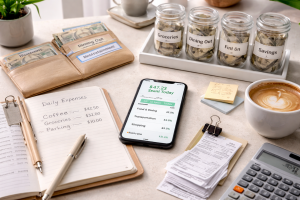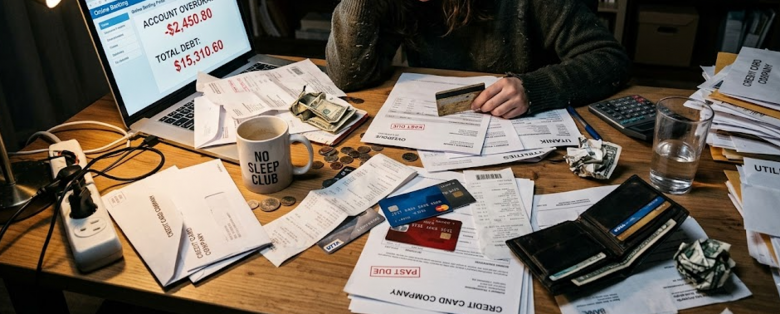
Overspending rarely happens because of one big mistake. In most cases, it is the result of small daily habits that go unnoticed. These patterns slowly build over time and affect your financial stability without you realizing it.
For a long time, I thought overspending only happened when someone made large or unnecessary purchases. But when I started tracking my expenses, I realized that the real problem was in my daily routine.
If you are trying to control your finances, understanding these patterns is an important first step. You can also explore understanding the psychology of spending and how to control it to get more profound insight into spending behavior.
Table of Contents
ToggleWhy Daily Patterns Matter More Than Big Expenses
Large expenses are easier to notice and plan for. Daily spending, on the other hand, feels small and harmless. Because of this, it often goes unchecked.
A small purchase may not seem important in the moment, but repeated daily, it can become a significant part of your monthly expenses. This is why controlling daily habits is more effective than focusing only on big expenses.
Pattern One: Spending Without Awareness
One of the most common patterns is spending without tracking.
When you do not record your expenses, it becomes difficult to understand where your money is going. This leads to confusion at the end of the month.
People often overlook small expenses like snacks, quick online purchases, or transport costs, but they can accumulate rapidly.
To fix this, you can follow how to track daily expenses without apps simple method that works.
Pattern Two: Frequent Small Purchases
Many people underestimate the impact of small purchases.
Buying something inexpensive every day feels harmless, but over time, it becomes a large expense.
Some common examples include:
- Daily snacks or drinks
- Frequent online orders
- Small unplanned purchases
Reducing even a few of these can create noticeable savings.
Pattern Three: Emotional Spending
Emotions play a big role in spending decisions.
People often spend money when they feel stressed, bored, or exhausted. These purchases are usually not planned and do not add long-term value.
This pattern is difficult to notice because it feels natural in the moment.
You can learn how to manage these situations through emotional spending triggers and how to control them.
Pattern Four: Lack of Spending Limits
Without a clear limit, spending can easily go out of control.
If you do not decide how much you can spend daily or weekly, it becomes easy to overspend without realizing it.
Setting a simple limit helps you stay in control and avoid unnecessary expenses.
Pattern Five: Relying Too Much on Digital Payments
Digital payments make spending quick and convenient, but they can also reduce awareness.
When you do not physically see money leaving your hands, it becomes easier to spend more.
Small transactions feel less significant, which leads to frequent spending.
If you want to understand this topic better, you can read my simple way to track cash and card spending.
Pattern Six: Not Reviewing Daily Spending
Tracking expenses is important, but reviewing them is equally necessary.
If you do not take time to look at your spending, you miss the chance to correct mistakes.
Daily review helps you identify unnecessary expenses and improve your decisions quickly.
Pattern Seven: No Clear Financial Plan
Without a plan, spending becomes random.
You may feel like you are managing your money, but without direction, it is easy to lose control.
Even a simple weekly plan can make a big difference.
You can build one using weekly money planning routine for better financial control.
Pattern Eight: Impulse Buying
Impulse buying is one of the biggest reasons for overspending.
It happens when you make quick decisions without thinking. These purchases are often based on momentary desire rather than actual need.
A simple habit of pausing before buying can help reduce this pattern.
Pattern Nine: Ignoring Small Budget Leaks
Small budget leaks are expenses that seem unimportant individually but become significant over time.
Examples include:
- Subscription services you do not use
- Repeated small purchases
- Extra convenience spending
Identifying and reducing these leaks can improve your financial control.
Pattern Ten: Inconsistent Spending Habits
Being careful for a few days and then overspending later is a common pattern.
This inconsistency makes it difficult to maintain control.
Consistency is more important than short-term discipline. Small daily improvements work better than occasional strict control.
You can build consistency using simple habit system to control daily expenses consistently.
How to Break These Patterns
Once you identify these patterns, the next step is to replace them with better habits.
Start with simple actions:
- Track your expenses daily
- Set a spending limit
- Review your spending regularly
- Pause before making purchases
These steps help you build awareness and improve decision-making.
How Long Does It Take to See Results
Improving spending habits does not happen overnight.
At first, it may feel difficult to track everything and stay consistent. But over time, these actions become part of your routine.
Within a few weeks, you may start noticing better control and fewer unnecessary expenses.
Common Mistakes to Avoid
While working on your spending habits, avoid these common mistakes:
- Trying to change everything at once
- Setting unrealistic limits
- Ignoring small expenses
- Giving up after a few bad days
Keeping your approach simple makes it easier to stay consistent.
Final Thoughts
Overspending is rarely about a lack of income. In most cases, it is the result of small, repeated habits that quietly shape your financial life every single day.
The truth is, you do not lose control of your money all at once. It happens gradually through unnoticed patterns, quick decisions, and daily choices that feel insignificant in the moment but add up over time.
The good news is that you can change these patterns.
You do not need extreme budgeting or strict rules to fix overspending. What you need is awareness, small adjustments, and consistency. When you start noticing where your money goes and make even slight improvements in your daily habits, the results begin to show naturally.
Financial control is not built in one big step. It is built through small decisions repeated daily.
Simple Takeaway
Small daily habits shape your financial future.
When you become aware of your spending patterns and make small improvements, controlling your expenses becomes much easier.
Frequently Asked Questions
What is the main cause of overspending?
The main cause is usually small daily habits that go unnoticed, rather than large expenses.
How can I identify my spending patterns?
You can identify patterns by tracking and reviewing your daily expenses consistently.
Are small expenses really a big problem?
Yes, small expenses can add up over time and become a significant part of your budget.
How can I stop impulse spending?
You can reduce impulse spending by pausing before purchases and thinking about necessity.
How long does it take to control spending habits?
With consistent effort, you can start seeing improvements within a few weeks.

Aiden Lewis runs pimozoogin.com, where he provides practical and understandable financial tips. He writes articles about Everyday Finance, Financial Stability Tips, Insurance Basics, and Money Habits, with the goal of helping people gain more confidence in managing their finances. He designs his content to enhance financial literacy, foster informed decision-making, and simplify financial matters for everyone. The information provided is for educational and informational purposes only.