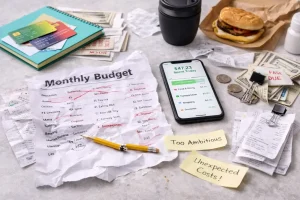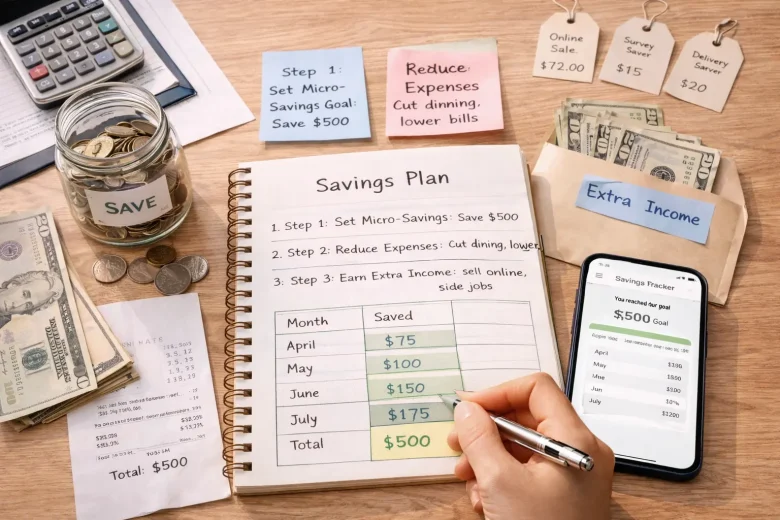
For a long time, I believed saving money was only possible if you earned more. My income was limited, my expenses felt fixed, and every month ended with almost nothing left. It was frustrating, and I often felt like saving was out of reach.
What changed everything was not an increase in income, but a change in how I managed what I already had. I started paying closer attention to my daily habits and made small adjustments that slowly added up. Over time, I was able to save my first five hundred dollars.
If you are trying to do the same, you can also explore saving money on low income realistic tips that work for more practical ideas.
Table of Contents
ToggleI Started by Understanding My Spending
The first real step was becoming aware of where my money was going. I used to assume I had a clear idea of my expenses, but once I started tracking them, I realized how much I was missing.
I began writing down every expense, even the smallest ones. This included things like snacks, small online purchases, and quick daily spending. Within a few days, I noticed a clear pattern. It was not the big expenses causing problems, but the small, repeated ones.
If you want to build this habit, you can follow how to track daily expenses without apps simple method that works.
I Set a Goal That Felt Realistic
Saving five hundred dollars felt overwhelming at first, so I broke it down into smaller weekly targets. This made the goal feel achievable instead of stressful.
Some weeks I could save more, some weeks less, but I kept going. This approach helped me stay consistent, which turned out to be more important than saving large amounts at once.
I Reduced Only What Was Unnecessary
Instead of cutting everything, I focused only on expenses that were not adding real value to my life. This made the process easier to follow without feeling restricted.
Some changes that helped included:
- Reducing random food orders
- Avoiding impulse buying
- Limiting spending on non-essential items
These small adjustments created extra room in my budget without affecting my daily comfort. You can build similar habits using practical habits to control daily spending and save more.
I Switched to Weekly Planning
Monthly budgeting always felt difficult to manage, so I switched to a weekly system. This made everything more manageable and easier to control.
At the start of each week, I decided how much I could spend and how much I would save. This helped me stay focused and allowed me to adjust quickly if I made a mistake.
You can try this approach through a weekly money planning routine for better financial control.
I Started Saving First
In the past, I would save whatever remained at the end of the month, which often resulted in no savings at all. So I changed my approach.
As soon as I received my income, I set aside a small amount for savings. I treated it as a fixed expense instead of an optional one. This made saving a regular habit.
I Became Aware of Emotional Spending
One important thing I noticed was that I was not always spending out of necessity. Sometimes I spent money because of how I felt.
There were times when I spent money because I was bored, stressed, or just wanted a quick break. Once I realized this, I started pausing before making purchases. That pause helped me avoid many unnecessary expenses.
You can understand the situation better through emotional spending triggers and how to control them.
I Used Cash for Better Control
Using cash for daily expenses made a noticeable difference. When I carried a fixed amount, I became more careful with how I spent it.
Seeing the money decrease physically made each purchase feel more real. It naturally helped me stay within limits without needing strict rules.
I Focused on Consistency Instead of Perfection
There were weeks when things did not go as planned. Unexpected expenses came up, and occasionally I spent more than expected.
Instead of giving up, I continued anyway. Even saving a small amount felt like progress. This mindset helped me stay consistent over time.
I Tracked My Progress Regularly
Checking my progress regularly kept me motivated. Every week, I reviewed how much I had saved.
Even small improvements gave me confidence and encouraged me to continue. Over time, those small amounts added up.
I Focused on Building a Habit
Saving my first five hundred dollars was not just about the amount. It was about building a habit that would stay with me long term.
Once saving became part of my routine, it no longer felt difficult. It became something I did naturally.
If you want to strengthen your long-term stability, you can follow the strategy i use to maintain long term financial stability.
What Changed After Saving My First $500
After reaching this goal, my mindset completely changed. I felt more in control of my money and less stressed about expenses.
I started making better decisions and thinking more about the future instead of just the present. Most importantly, I proved to myself that saving is possible, even with a limited income.
Common Mistakes to Avoid
If you are trying to save money, it helps to avoid common mistakes that can slow you down:
- Waiting for a higher income before starting
- Trying to save too much too quickly
- Ignoring small daily expenses
- Giving up after a few setbacks
Keeping your approach simple and consistent works much better.
How You Can Start Today
You do not need a perfect plan to begin. Start with small and practical steps:
- Track your expenses daily
- Set a simple weekly savings goal
- Reduce unnecessary spending
- Stay consistent
That is enough to get started.
Final Thoughts
Saving your first five hundred dollars may seem like a small achievement, but it creates a strong foundation. It builds confidence, improves discipline, and gives you better control over your finances.
Once you reach this stage, saving becomes easier and more natural.
Simple Takeaway
You do not need a high income to start saving. You need awareness, consistency, and small daily improvements.
Start where you are and keep moving forward.
Frequently Asked Questions
Can I really save money on a low income?
Yes, saving is possible even on a low income when you focus on controlling small expenses and staying consistent.
How long does it take to save five hundred dollars?
It depends on your situation, but with steady weekly savings, it can take a few months.
What is the easiest way to start saving?
Start by tracking your expenses, reducing unnecessary spending, and saving a fixed amount regularly.
Should I stop all spending to save money?
No, the goal is to control unnecessary expenses, not eliminate all spending.
What should I do after saving my first five hundred dollars?
Continue saving and focus on building a stronger financial foundation over time.

Aiden Lewis runs pimozoogin.com, where he provides practical and understandable financial tips. He writes articles about Everyday Finance, Financial Stability Tips, Insurance Basics, and Money Habits, with the goal of helping people gain more confidence in managing their finances. He designs his content to enhance financial literacy, foster informed decision-making, and simplify financial matters for everyone. The information provided is for educational and informational purposes only.