When you only make about $1,000 a month, it can be difficult to keep track of your money on a tight budget. Some people think they don’t have enough cash to pay for everything they need, let alone save for emergencies or long-term goals. The truth is that you can live happily and even save money on a $1,000 salary if you plan and make smart decisions. This step-by-step guide will show you how to make a monthly budget that you can actually use. This will help you spend your money wisely and get the most out of every dollar.
Figuring Out Your Priorities and Income
Before you make a budget, you should first know how much money you make and what your top financial goals are. If you make $1,000 a month, you need to know exactly how much money you have left over after taxes. To keep things simple, let’s say your take-home pay is $1,000. The most important things to think about are your basic living expenses, any debt payments, funds, and extra spending. By setting goals, you can be sure that your money goes to the things that really matter and avoid stress that isn’t necessary.
Sharing Out Housing Costs
Usually, housing costs take up the majority of any income. If you make $1,000 a month, you shouldn’t spend more than 30% of that on rent or mortgage. That means the most you should pay for rent each month is $300. If the rent is too high where you live, you might want to look into sharing housing, living with family, or moving to a cheaper area. Remember that keeping housing costs down is important because paying too much here can make it difficult to pay for other things that you need.
Making Plans for Bills and Utilities
Every month, you have to pay for utilities like power, water, gas, and internet. If you make $1,000 a year, it makes sense to set aside $100 to $150 each month for all of your bills. To save money, watch how much energy you use, unplug things when they’re not in use, and buy products that use less energy. If you want to avoid shocks, many service providers offer budget billing. This lets you pay a set amount every month. Making sure you remember when things are due and avoid late fees will also help you save money.
Making a Grocery Budget
Careful planning is essential for another important area: food. If you are on a tight budget, $200 to $250 can be spent on food. Plan your meals for the week, buy cheap staples like rice, beans, eggs, and seasonal veggies, and buy in bulk when you can to save money. Don’t buy things you don’t need, and cook at home instead of going out to eat. Preparing meals ahead of time is a beneficial way to spend a $1,000 salary because it saves money and cuts down on food waste.
Costs of Transportation
It depends on whether you own a car or take the bus or train; transportation can cost a lot of your money. If you own a car, set aside $100 to $150 a month for gas and basic upkeep. A monthly pass for public transit could cost anywhere from $50 to $100, depending on the city. When you can, walk or ride a bike. It will save you money and be better for your health. Picking the right mode of transportation can help you stay within your budget and avoid spending too much.
Setting Aside Money to Pay Off Debt
You should take care of your bills as soon as possible if you have any. Spend about $100 a month, or 10% of your $1,000 salary, to settle your bills. This could be credit cards, personal loans, or other debts. In the long run, it can save you money to pay off your high-interest loans first. Even if you can only make the minimum payments at first, being consistent will help you pay off your debt over time without affecting your ability to pay for important things.
Planning for an Emergency Fund
Having an emergency fund is crucial, especially if you only make $1,000 a year. Save at least 5 to 10 percent of your income, which is about 50 to 100 dollars a month. Start small and add to your emergency fund over time to cover things like hospital bills, car repairs, or important home repairs. Having an emergency fund keeps you from having to worry about money and avoids taking out high-interest loans or credit cards when things go wrong.
Put Money Away for Future Plans
It’s just as important to save for future goals as it is for problems. Put away a small amount, like $50 a month, even if you don’t make much money. It can grow over time. Saving regularly can help you reach your goal faster than you think, whether it’s a trip, new tech, or school. Putting your savings on autopilot by setting up transfers to a different account will keep you from spending the money you meant to save.
Keeping Track of Spending on Fun and Extras
It’s not enough to just buy the things you need; fun and extra money are also important. Set aside about $50 to $100 a month for hobbies, fun activities, or eating out once in a while. Being aware of this budget area will help you avoid spending too much while still letting you enjoy life. Affordable activities that won’t strain your budget include streaming services, neighborhood events, and do-it-yourself hobbies.
Saving Money and Shopping Smart
Being able to live on a $1,000 pay means coming up with creative ways to save money without lowering the quality of your life. For groceries and household things, look at discount shops, thrift stores, and coupons. For fun things to do, look for free or cheap activities in your area. Making small changes, like making coffee at home instead of buying it every day, or going to the library to borrow books and movies, can save you a lot of money in the long run.
Keeping Track of Expenses and Being Responsible
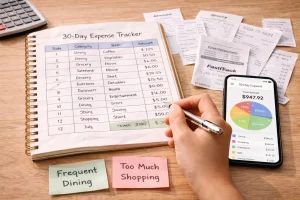
Keeping track of your spending is a key part of making a budget work. To keep track of every dollar you spend, use a simple notebook, a spreadsheet, or a planning app. This helps you find money you’re not spending and shows you where you can save. If you look over your budget once a week, you can stay on track, make changes as needed, and avoid being surprised at the end of the month. Being responsible with your money means being accountable.
Taking into Account Unexpected Costs
Unexpected costs, such as car repairs, doctor visits, or home issues, can arise unexpectedly, even in the best budget. Setting aside a small cushion of $50 to $100 can help you handle these events without going over budget. Being flexible is important because it lets you change without worry. With time, you’ll be able to predict and prepare for some unexpected costs.
Going Over and Improving Your Budget Every Month
To keep making changes, you need to look over your budget every month. You can find gaps or waste by comparing what you actually spent to what you planned to spend. You can change your amounts as needed, whether you want to save more or cut back on unnecessary costs. Reviewing your finances once a month keeps you from reacting instead of taking action, which helps you stay in charge of your money and reach your goals.
Getting by With What You Have
Sticking to your budget is crucial if you want to be financially stable, especially if you make $1,000 a month. This means avoiding lifestyle inflation, not buying things you don’t need, and putting savings and basics first. At first, you may have to make sacrifices, but in the long run, you’ll have financial security, less stress, and the ability to handle situations without going into debt. When you consistently live within your means, you lay the groundwork for future financial growth.
Keeping Wants and Needs in Check
With a $1,000 salary, you have to carefully weigh your needs and wants. Wants include things like fun, eating out, and luxury items. Needs include things like rent, food, utilities, and transportation. Creating a healthy budget that allows you to live well and enjoy life means prioritizing needs and allocating a reasonable amount of money for wants. This method keeps your finances in check and keeps you from spending too much on things that aren’t necessary.
Getting Better at Managing Money
Being financially disciplined is more than just sticking to a budget. It also means making habits that will help you stay stable in the long run. This means keeping track of your spending, saving regularly, avoiding buying things you don’t need, and making plans ahead of time for future costs. You must also resist the temptation to seek short-term rewards that could harm your finances. Over time, disciplined habits make it easier and less stressful to handle a $1,000 pay raise.
Making Plans for Regular Costs
Some costs, like car repairs, insurance fees, or yearly memberships, don’t happen every month, but they still need to be planned for. Put a small amount of your monthly income into a different account so that you can pay for these regular costs. So, there are no shocks and no need to use up important funds. You can easily handle these one-time costs if you save even a small amount every month.
Why Small Savings are Important
Over time, even small amounts of money saved can add up to a lot. It might not seem like much to save $20 or $30 a month, but over a year, that amount adds up to $240 to $360. You can put these small amounts into an emergency fund, a savings account for the future, or even a small investment. It’s important to be consistent, and even small amounts can help you get into the habit of saving money and being responsible with your money.
How to Avoid Debt Traps
If you are living on a small amount of money, it is very important to stay away from high-interest debt like payday loans or credit cards with big sums. As long as you don’t take on any new debt, you should focus on paying down the debt you already have. Managing your debt in a smart way will keep you from getting stuck in a cycle of financial stress and give you more money to spend on things you need and save.
Making the Most of Income Opportunities
Making and sticking to a budget is important, but finding ways to make more money can also help ease financial stress. To add to your $1,000 pay, you could look for part-time work, freelance opportunities, or ways to sell things you don’t need. Even a small extra income can help build up savings, act as a cushion, and lower stress. Looking for ways to make money gives you more freedom and makes planning less strict.
Keeping a Good Attitude About Money
Having a good attitude about money can help you make a budget less stressful. Instead of seeing a $1,000 salary as a limitation, look at it as a chance to learn how to handle your money well. Celebrate small wins, like getting rid of debt or saving enough money to reach your goal. Having a good financial mindset helps you be more consistent, feel less stressed about money, and make better long-term decisions about your money.
Useful Example of a Monthly Budget
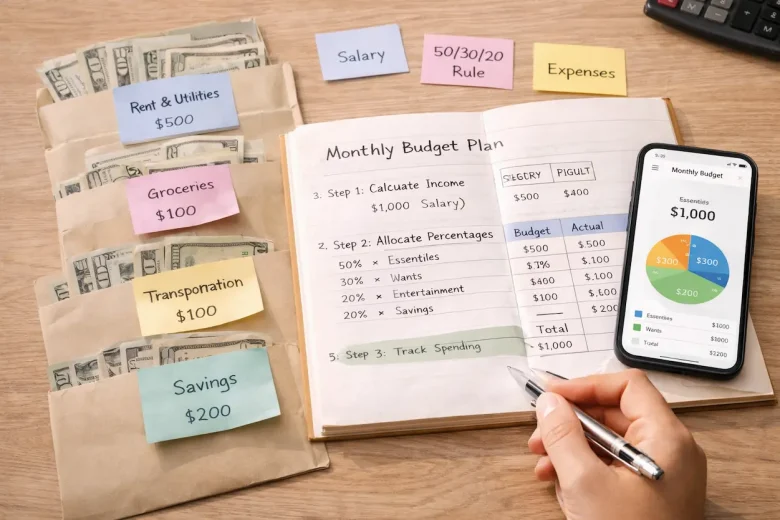
Here’s an example of how a $1,000 monthly salary is broken down:
- $300 rent
- $120 for utilities like power, water, and internet
- $220 for food
- $100 for transportation
- $100 to pay off debt
- $50 for an emergency fund
- A $50 savings account for plans
- $60 for entertainment and other spending
This distribution is just an example; depending on your situation, you may need to make changes. It is possible to live on a $1,000 income, meet basic needs, save for emergencies, and still enjoy life if you plan and stick to your spending habits.
Conclusion
It might seem hard to live on a $1,000 salary, but it is completely possible with a clear spending plan. You can become financially stable even if you don’t make a lot of money by keeping track of your spending, saving regularly, and living within your means. Making a budget takes planning, discipline, and sometimes changes, but it gives you peace of mind, protection, and the chance to work toward your financial goals in the future. To get every dollar to count, you need to start right away, keep at it, and play smart.
FAQs
1. If I make $1,000 a month, can I save money?
You can save money even if you only make $1,000 a year. Set aside some of your income for an emergency fund and long-term goals. Also, cut back on spending that you don’t need to, and shop smart.
2. If I make $1,000 a month, how much should I spend on rent?
If you make $1,000 a month, your rent shouldn’t be more than 30% of that. That’s about $300. If the rent is too high, look into shared housing or other choices that are less expensive.
3. How can I keep better track of my money?
Keep track of all your spending in a notebook, a spreadsheet, or a planning app. Reviewing your spending on a regular basis can help you find costs that aren’t necessary and keep you on track with your budget.
4. What if costs come up out of the blue?
Set away $50 to $100 a month as a safety net or emergency fund. This way, you can pay for unexpected costs without having to cut back on your savings or other important spending.
5. Can you enjoy life even if you don’t have much money?
Of course! Set aside a small amount of your budget for fun and hobbies. Look for activities that don’t cost much or anything at all, and spend your money on things that make you happy first. Making a budget doesn’t mean giving up on being happy.

Aiden Lewis runs pimozoogin.com, where he provides practical and understandable financial tips. He writes articles about Everyday Finance, Financial Stability Tips, Insurance Basics, and Money Habits, with the goal of helping people gain more confidence in managing their finances. He designs his content to enhance financial literacy, foster informed decision-making, and simplify financial matters for everyone. The information provided is for educational and informational purposes only.