Managing daily spending has become more complicated than ever.
With digital payments becoming common, most people now use cards, mobile wallets, and online transfers for almost everything. While this makes transactions fast and convenient, it also raises an important question
Does digital spending make it harder to control money compared to cash
To understand this, I tested both methods in my daily life and observed how each one affected my spending habits
If you are already trying to improve your money habits, you can also explore how to stop overspending a practical daily control system
Table of Contents
ToggleUnderstanding Cash Payments
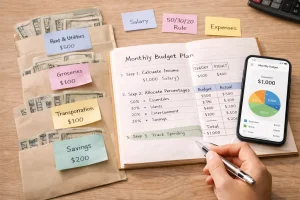
Cash payments involve using physical money for transactions
You withdraw a fixed amount and spend from it throughout the day or week
This method has been used for years and is still one of the simplest ways to manage money
How Cash Affects Your Spending Behavior
When you use cash, you physically see the money leaving your hands
This creates a strong awareness of spending
Each purchase feels more real because you can see your balance reducing immediately
For example, if you carry a limited amount for the day, you automatically think before spending
This natural limitation helps control unnecessary expenses
Understanding Digital Payments
Digital payments include debit cards, credit cards, mobile wallets, and online banking
These methods allow you to pay instantly without handling physical money
While this is convenient, it changes how you experience spending
How Digital Payments Influence Your Decisions
Digital payments feel less tangible
You do not see the money leaving your hand. Instead, it is just a number on a screen
Because of this, spending often feels easier and faster
Small purchases become more frequent because there is no immediate sense of loss
If you want to understand how tracking helps in such situations, you can read complete guide to tracking daily expenses for better money management
Key Differences Between Cash and Digital Payments
To decide which method controls spending better, it is important to compare both clearly
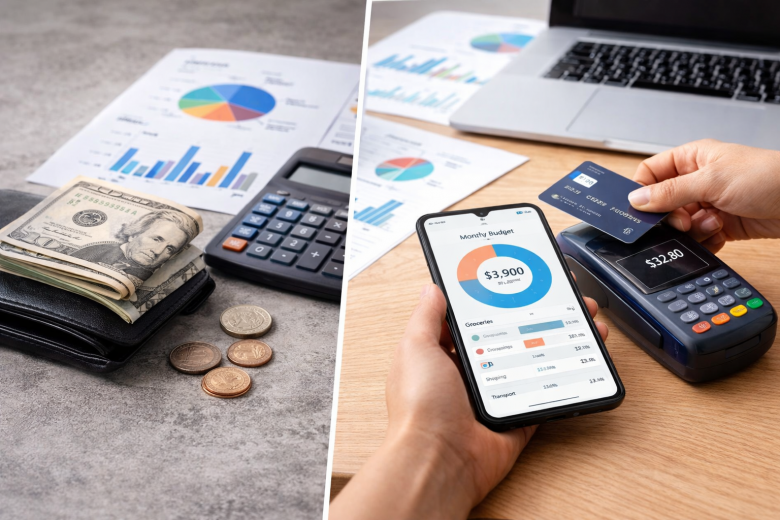
Cash gives you physical awareness
Digital payments offer speed and convenience
Cash limits your spending to what you carry
Digital payments allow flexible spending
Cash makes you think before each purchase
Digital payments make transactions feel effortless
These differences directly impact your financial behavior
My Personal Experience Using Both Methods
When I used cash for daily expenses, I noticed that I spent less
I planned my purchases better and avoided unnecessary spending
However, when I switched to digital payments, my spending increased without me realizing it
Small expenses like food delivery, online shopping, and quick payments added up quickly
This experience made it clear that the payment method influences spending habits more than we think
Why Cash Helps Control Spending Better
Cash has built-in limitations that naturally improve discipline
You can only spend what you have in your wallet
This forces you to prioritize your expenses
It also creates a mental connection between money and effort
You become more aware of how much you are spending and why
If you want to strengthen this habit further, you can follow a simple daily habit that keeps your budget under control
Why Digital Payments Can Lead to Overspending
Digital payments remove the physical aspect of money
Because of this, spending feels less serious
You can make multiple small transactions without noticing the total
Features like one-click payments and saved cards make spending even easier
This convenience often leads to impulse buying
To control this behavior, you can learn from understanding the psychology of spending and how to control it
Situations Where Cash Works Better
Cash is more effective when you want strict control over your spending
For example,
Daily expenses like food and transport
Small purchases where overspending is common
Situations where you want to limit your budget
Using cash in these situations creates discipline and awareness
Situations Where Digital Payments Are Useful
Digital payments are helpful when convenience and safety are important
For example,
Online shopping
Paying bills
Large transactions
Emergency payments
In these cases, digital payments save time and effort
A Balanced Approach That Works Best
Instead of choosing only one method, combining both can give better results
Use cash for daily and flexible expenses
Use digital payments for planned and essential payments
This approach allows you to enjoy convenience without losing control
If you want to manage your finances more effectively, you can also follow daily financial planning tips for smart money management
How to Use Digital Payments Without Losing Control
If you prefer digital payments, you can still manage your spending effectively
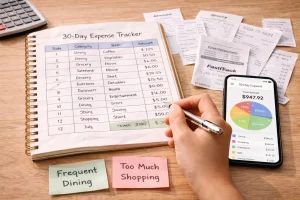
Track every expense regularly
Set daily or weekly limits
Avoid saving card details on multiple platforms
Review your spending frequently
These simple steps help you stay in control even when using digital methods
How to Build Better Spending Habits
The payment method is only one part of financial control
Your habits play a bigger role
Start by observing your spending patterns
Identify areas where you overspend
Make small adjustments
Consistency is more important than perfection
Common Mistakes to Avoid
Many people struggle with spending because of simple mistakes
Using digital payments without tracking
Carrying too much cash and spending impulsively
Ignoring small expenses
Not reviewing spending regularly
Avoiding these mistakes can improve your financial control significantly
Final Thoughts
Cash and digital payments both have their advantages
Cash creates awareness and discipline
Digital payments provide convenience and flexibility
If your goal is to control spending, cash is generally more effective
However, using both wisely can give the best results
Simple Takeaway
Cash helps you feel your spending
Digital payments make spending easier
The best method is the one that helps you stay aware and in control
Start small, observe your habits, and choose what works best for your lifestyle
Frequently Asked Questions
1. Does cash really help reduce spending?
Yes, cash creates a physical connection with money, making you more aware of how much you spend. This often leads to better control and fewer unnecessary purchases
2. Are digital payments bad for managing money?
Digital payments are not bad, but they can lead to overspending if not tracked properly. With discipline and monitoring, they can still be used effectively
3. Should I stop using digital payments completely?
No, you do not need to stop using them. Instead, use digital payments for planned expenses and cash for daily spending control
4. How can I control spending with digital payments?
You can control digital spending by tracking expenses, setting limits, and reviewing your transactions regularly
5. Which method is best for beginners?
For beginners, cash is usually better because it builds awareness and discipline. Once you develop control, you can combine both methods for better results

Aiden Lewis runs pimozoogin.com, where he provides practical and understandable financial tips. He writes articles about Everyday Finance, Financial Stability Tips, Insurance Basics, and Money Habits, with the goal of helping people gain more confidence in managing their finances. He designs his content to enhance financial literacy, foster informed decision-making, and simplify financial matters for everyone. The information provided is for educational and informational purposes only.