For a long time, I believed I had decent control over my spending
I paid my bills on time, avoided unnecessary purchases most of the time, and tried to save whenever possible. But at the end of every month, I still wondered where my money actually went
That confusion pushed me to try something simple but powerful
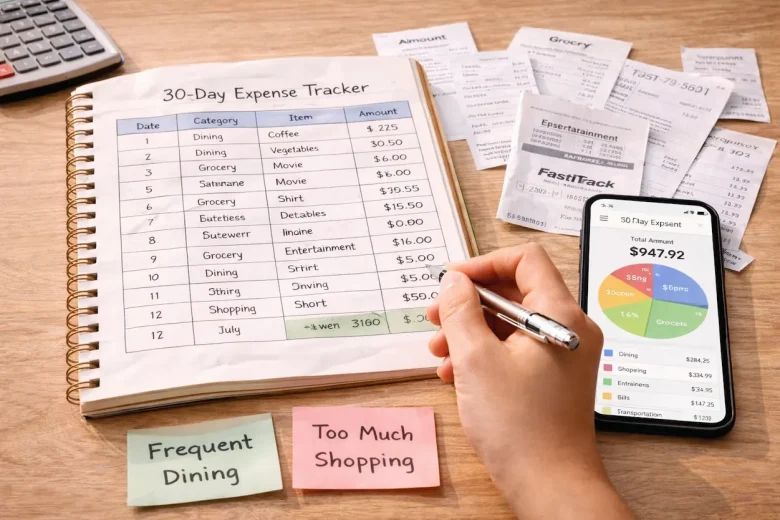
I decided to track every single expense for 30 days
No apps, no complicated tools, just a notebook and honest tracking
If you are starting from zero, you can first understand the basics of how to track daily expenses without apps simple method that works
This small habit changed the way I look at money. Here is what I learned after tracking my expenses for a full month
How I Tracked My Expenses
Before sharing what I learned, let me explain how I tracked everything
I kept the method very simple
Every time I spent money, I wrote it down immediately
At the end of each day, I reviewed my spending and grouped it into categories like food, transport, bills, and personal expenses
At the end of the week, I checked patterns and totals
This basic system gave me more clarity than I expected
My Weekly Expense Overview
Here is a simplified version of what my weekly spending looked like
Week one was normal and unplanned
Week two was slightly better as I became more aware
Week three showed clear improvement
Week four was the most controlled
This shows that awareness itself starts improving behavior
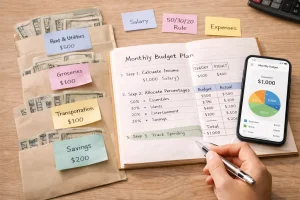
If you want to build a structured routine like this, you can follow weekly money planning routine for better financial control
Lesson One: Small Expenses Add Up Quickly
The biggest surprise was not the big purchases
It was a small daily spending
Snacks, quick online orders, extra transport costs, and random small purchases added up to a significant amount
Individually, these expenses felt harmless
But over 30 days, they became a major part of my total spending
These experiences made me realize how important it is to control daily habits. You can understand this better through a simple daily habit that keeps your budget under control
Lesson Two: Awareness Reduces Overspending
Just knowing that I had to write down every expense made me think twice before spending
I started asking myself simple questions
Do I really need this
Can I avoid this expense today
This small pause reduced unnecessary spending automatically
This is closely connected to how to stop overspending a practical daily control system
Lesson Three: I Was Underestimating My Spending
Before tracking, I believed my monthly expenses were lower than they actually were
But when I added everything properly, the total was much higher
This gap between assumption and reality was eye-opening
It showed me that guessing expenses is never accurate
Tracking gives you real numbers
Lesson Four: Categories Make Everything Clear
At first, my expense list looked messy
But once I grouped everything into categories, patterns became clear
Food expenses were higher than expected
Transport costs were inconsistent
Personal spending was uncontrolled
This helped me identify exactly where I needed to improve
If you want to improve your budgeting, you can also learn from personal budgeting tips for everyday financial control
Lesson Five: Emotional Spending Is Real
One of the most important realizations was how emotions affected my spending
On stressful days, I spent more
On busy days, I made quick decisions
On relaxed days, I spent less
This pattern made me understand that spending is not just about money. It is also about behavior
You can explore this deeper in emotional spending triggers and how to control them
Lesson Six: Planning Saves Money
After two weeks of tracking, I started planning my expenses in advance
This reduced last-minute spending
For example,
I planned grocery shopping instead of buying randomly
I decided on weekly limits for small expenses
I avoided unnecessary online browsing
This simple planning made a noticeable difference
Lesson Seven: Consistency Is More Important Than Perfection
I missed tracking a few entries during the month
But instead of stopping, I continued the next day
This taught me that consistency matters more than doing everything perfectly
Even imperfect tracking gives valuable insights
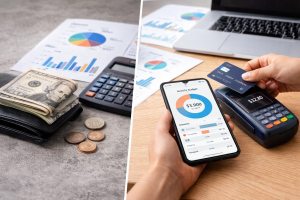
Lesson Eight: Cash and Digital Spending Feel Different
I noticed a clear difference between cash and digital payments
When I used cash, I was more careful
When I used digital payments, spending felt easier and faster
This made me more mindful of how I pay for things
You can explore this concept further in my simple way to track cash and card spending
Lesson Nine: Tracking Builds Financial Discipline
After a few weeks, tracking became a habit
I no longer had to remind myself
This habit improved my overall discipline and control over money
If you want to build long-term discipline, you can follow simple methods to maintain long term financial discipline
Lesson Ten: Small Changes Create Big Results
By the end of 30 days, I had not made any major lifestyle changes
But small adjustments made a big difference
Reduced unnecessary spending
Better awareness
Improved control
These small changes added up to noticeable savings
What Changed After 30 Days
After completing the 30-day tracking, my approach to money completely changed
I became more aware of my spending
I made better financial decisions
I started saving more consistently
Most importantly, I stopped feeling confused about where my money was going
How You Can Start Your Own 30-Day Tracking
If you want to try this, keep it simple
Write down every expense
Review your spending daily
Group expenses into categories
Analyze patterns weekly
You do not need any complex system
Consistency is the key
Common Mistakes to Avoid
While tracking your expenses, avoid these mistakes
Ignoring small expenses
Skipping entries
Not reviewing your data
Giving up too early
Tracking works only when you stay consistent
Final Thoughts
Tracking expenses for 30 days may seem like a small step
But it creates a strong foundation for financial control
It helps you understand your habits
It reveals hidden spending
It improves your decision-making
Most importantly, it gives you clarity
Simple Takeaway
You cannot control what you do not measure
Tracking your expenses is one of the simplest and most effective ways to improve your financial life
Start small, stay consistent, and learn from your patterns
Over time, this habit can completely change how you manage money

Aiden Lewis runs pimozoogin.com, where he provides practical and understandable financial tips. He writes articles about Everyday Finance, Financial Stability Tips, Insurance Basics, and Money Habits, with the goal of helping people gain more confidence in managing their finances. He designs his content to enhance financial literacy, foster informed decision-making, and simplify financial matters for everyone. The information provided is for educational and informational purposes only.