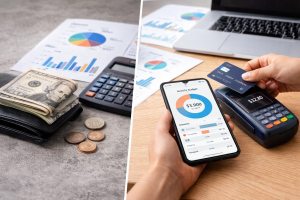
Keeping track of daily expenses can be difficult, especially if you strictly manage your budget. Many people think that you need complicated procedures or spreadsheets to record every expense, but that is not the case. You do not need technology to track your daily expenses. By adopting a few simple habits and using a few practical tools, you can get your finances under control, understand where every cent goes, and even save more money.
Start With a Pen and Notebook
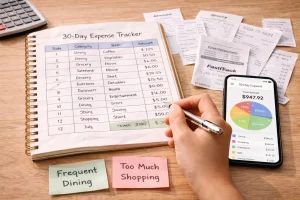
A pen and a small notebook are the simplest way to record expenses. People have been using this method for decades because it works. The goal is to record all expenses at all times. Keep the notebook with you or near your cash, like on your desk or by your wallet. Handwritten notes make you more aware of your spending. If you write down every expense, you are more likely to think twice before buying something you don’t need.
Categorize Expenses
Categorizing expenses can help you gain insight into where your money is going. Some common categories include groceries, transportation, eating out, entertainment, and utilities. By categorizing every expense, you get a clear picture of where your money is going. You don’t need advanced tools; simply create a column for each category in your notebook. At the end of each day or week, you can total the expenses in each category to see which are highest. Categorizing your expenses can help you identify unnecessary spending and create a better budget.
Record Your Expenses Immediately
Keeping track of your expenses is easier if you record them immediately after the purchase. If you wait a week or month to buy something, you might forget it, which can lead to errors. Keep receipts as much as possible and record cash transactions immediately. If you pay in cash, write down the amount each time. If you pay with a debit card, write down the price of each item. By recording your expenses immediately, you get a clear picture of where your money is going.
Set Up a Daily Spending Schedule
The key to tracking daily expenses is consistency. Choose a fixed time each day to review your expenses. You can do this process process at the end of the day, when you are relaxing at home, or before going to bed. Use this time to summarize your bills, review each expense category, and note any unusual transactions. By making it a habit, you can easily track your expenses instead of making it a chore. You will find that over time, it becomes easier to track your expenses and make better-informed financial decisions.
Use Money Envelopes to Manage your Money Better
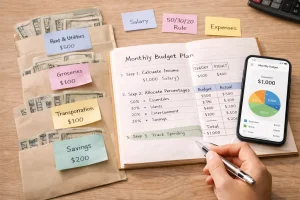
Using money envelopes is a simple and effective way to track your daily expenses without apps. Divide your budget among different envelopes, each for a different expense. For example, one envelope for groceries, one for transportation, and one for entertainment. Use only the money in the corresponding category in each envelope. This method enables you to take responsibility for your spending and limit your expenses. It also allows you to accurately track your cash flow without needing a computer.
Reflect and Evaluate Weekly
Recording daily expenses is more than just writing down numbers; it is about finding out where your money is going. Review your notebook or money envelope overview at the end of each week. Look for patterns, for example, whether you often make small purchases that add up to a significant amount, or identify areas where you can save money. Reflecting on your spending pattern helps you set realistic financial goals and make informed choices. You can also see how much progress you have made, which motivates you more to stick to your budget.
Make Adjustments When Necessary
Adjusting your method of tracking expenses is crucial when your financial situation or priorities change. If you regularly exceed your budget in a specific spending category, consider increasing the budget for that category or looking for ways to save. If you have money left over, you can also transfer it from one category to savings or other areas that require focused attention. Staying flexible ensures that your spending system remains effective and aligns with your financial goals.
Keep It Simple and Sustainable
The best way to track your expenses is to stick to it. Don’t make the process too complicated by adding too many categories or spreadsheets. Focus on what really matters, such as where your money goes and how much you spend. You only need a notebook, a pen, and a few simple categories to gather all the information you need. The key is to create a system that you enjoy using so that you stick with it in the long run.
Celebrate Small Successes
Tracking your daily expenses might seem daunting at first, but it is important to see how much progress you are making. Celebrate every small victory, such as sticking to your budget categories or noticing that you are spending less on unnecessary things. These small victories give you confidence and motivation to continue managing your finances well. Tracking expenses without an app is a skill that requires practice. Every little thing you do to improve your financial control counts.
Develop a Habit of Rational Spending
Ultimately, tracking expenses is not just about numbers; It is mainly about understanding what you spend your money on and why. By tracking your daily expenses, you can make choices that align with your financial goals. Rational spending can help you avoid impulsive purchases, motivate you to save, and spend money on things that really matter. Over time, this habit ensures that you become more satisfied with your finances and feel better.
Conclusion
Even without apps, you can easily track your daily expenses using simple tools and by developing positive habits. You can record, categorize, and review your expenses weekly to get a clear picture of your finances. Using money envelopes, careful consideration, and making adjustments where necessary are all ways to maintain your financial health. As long as the method is simple, you can celebrate your successes and develop a habit of rational spending, even without technology. With perseverance, tracking your daily expenses becomes a habit.
FAQs
1. Do I really have to record every expense?
Recording every expense can help you gain insight into where your money is going, but you can start with larger categories and add smaller categories over time. The most important thing is consistency and vigilance.
2. Can I track expenses without cash?
Yes. Even if you use a debit card, you can record every transaction in a notebook or use a simple spreadsheet. Recording in a timely manner is more important than noting the payment method.
3. How do I stay motivated to track my daily expenses?
Make a schedule, check your progress weekly, and celebrate small successes. You will discover that tracking your expenses helps you save money and stick to your budget, which will be very motivating.
4. What if I forget to record an expense?
Keep the receipts and review them at the end of the day. Even if you forget a few things, this system still gives you an overall picture of your expenses.
5. Does this strategy help me save money?
Absolutely. You can save money by tracking your expenses and cutting non-essentials.

Aiden Lewis runs pimozoogin.com, where he provides practical and understandable financial tips. He writes articles about Everyday Finance, Financial Stability Tips, Insurance Basics, and Money Habits, with the goal of helping people gain more confidence in managing their finances. He designs his content to enhance financial literacy, foster informed decision-making, and simplify financial matters for everyone. The information provided is for educational and informational purposes only.