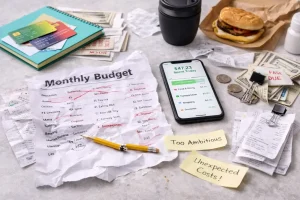
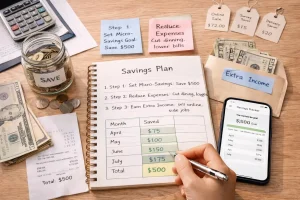
Financial well-being is something most people want, but very few achieve consistently. Many start with noble intentions, try budgeting or saving for a short period, and then lose momentum. Over time, they return to old habits and feel stuck in the same financial situation.
The issue is not a lack of effort. It is a lack of structure.
Occasional actions do not lead to financial well-being. It is built through consistent systems that guide your daily financial behavior.
This guide provides a beginner-friendly roadmap that helps you build long-term financial well-being step by step, without feeling overwhelmed.
What Financial Well-Being Really Means
Before building financial well-being, it is important to understand what it actually means.
It is not about becoming wealthy overnight or having a large income. It is about:
- Having control over your finances
- Managing your expenses effectively
- Avoiding unnecessary financial stress
- Building a stable and predictable system
In simple terms, financial well-being means your money is working in an organized and manageable way.
If you want to strengthen your foundation, you can also explore how to manage income effectively and stay financially secure.
Why Beginners Struggle With Consistency
Most beginners face similar challenges when trying to improve their finances.
They may:
- Start tracking expenses, but stop after a few days
- Try saving, but struggle to stay consistent
- Create a budget that is too strict
- Feel overwhelmed by too much information
The main problem is trying to do everything at once.
Financial well-being requires a gradual approach.
The Beginner Roadmap to Financial Well-Being
Instead of trying multiple strategies at once, follow this structured roadmap.
Each step builds on the previous one, creating a strong and sustainable system.
Stage One: Build Awareness of Your Money
The first step is understanding where your money goes.
Without awareness, it is impossible to make improvements.
Track Your Daily Spending
Start by tracking your expenses for a few weeks.
Write down:
- Daily purchases
- Bills and fixed expenses
- Small spending habits
This exercise gives you a clear picture of your financial behavior.
If you need guidance, follow complete guide to tracking daily expenses for better money management.
Identify Spending Patterns
After tracking, review your data.
Look for:
- Areas where you overspend
- Unnecessary purchases
- Patterns in your behavior
This step helps you understand your habits.
Stage Two: Create a Simple and Flexible Budget
Once you understand your spending, the next step is creating a budget.
Keep Your Budget Simple
Avoid complicated budgeting systems.
Divide your expenses into basic categories:
- Essentials
- Savings
- Flexible spending
A simple budget is easier to follow consistently.
Set Realistic Limits
Do not create strict limits that are difficult to maintain.
Your budget should reflect your real lifestyle.
If you need help, refer to personal budgeting tips for everyday financial control.
Stage Three: Build a Consistent Saving Habit
Saving is a key part of financial well-being.
However, consistency matters more than the amount.
Start Small but Stay Consistent
Save a small amount regularly.
This could be:
- A fixed daily amount
- A percentage of your income
- Savings from reduced expenses
If you are starting with a limited income, you can learn from saving money on low income realistic tips that work.
Make Saving Automatic
If possible, set up automatic transfers.
This reduces the effort required and improves consistency.
Stage Four: Control Your Spending Behavior
Managing your behavior is just as important as managing your money.
Recognize Emotional Spending
Many people spend money based on emotions rather than needs.
Such behavior can lead to unnecessary expenses.
To understand the issue better, read emotional spending triggers and how to control them.
Build Daily Awareness
Spend a few minutes daily reviewing your finances.
This helps you stay in control.
You can also apply how to stop overspending: a practical daily control system.
Stage Five: Strengthen Financial Discipline
Discipline ensures long-term success.
Without discipline, even the best plans fail.
Focus on Consistency, Not Perfection
You do not need to be perfect.
Small, consistent actions are more effective than occasional effort.
Develop Simple Routines
Create routines such as:
- Weekly expense review
- Monthly budget check
- Daily spending tracking
To build discipline, follow simple methods to maintain long term financial discipline.
Stage Six: Plan for Unexpected Expenses
Unexpected costs can disrupt your financial stability.
Build an Emergency Fund
Start with a small goal.
Even a small emergency fund can reduce stress.
For guidance, read about how much emergency fund you really need for financial security.
Avoid Relying on Debt
Having savings helps you avoid borrowing money during emergencies.
Stage Seven: Review and Improve Regularly
Financial well-being is an ongoing process.
Evaluate Your Progress
Review your finances regularly.
Check:
- Your savings progress
- Spending patterns
- Budget performance
Make Adjustments When Needed
Your situation may change over time.
Adjust your system accordingly.
Real Life Example
Consider a beginner who struggles with managing money.
They start by tracking expenses and realize they spend heavily on small daily purchases.
They create a simple budget and reduce unnecessary expenses.
They begin saving a small amount regularly and review their finances daily.
Over time, their habits improve.
They build savings, reduce stress, and gain control over their finances.
This chapter shows how a structured approach leads to consistent results.
Common Mistakes Beginners Should Avoid
Trying to follow too many strategies at once can lead to confusion.
Setting unrealistic financial goals can reduce motivation.
Ignoring small expenses can affect overall results.
Being inconsistent can break progress.
Avoiding these mistakes helps you stay on track.
Signs You Are Improving Financially
As you follow this roadmap, you will notice:
- Better control over spending
- Increased savings
- Reduced financial stress
- Improved decision-making
These are signs that your system is working.
Why This Roadmap Works
This approach works because it focuses on gradual improvement.
It does not require drastic changes.
It builds habits step by step.
It creates a system that is easy to maintain.
Final Thoughts
Achieving consistent financial well-being is not about making perfect decisions. It is about building simple habits that guide your daily actions.
By following this roadmap, you can create a strong foundation for your finances and improve your situation over time.
Start small, stay consistent, and focus on progress.

Aiden Lewis runs pimozoogin.com, where he provides practical and understandable financial tips. He writes articles about Everyday Finance, Financial Stability Tips, Insurance Basics, and Money Habits, with the goal of helping people gain more confidence in managing their finances. He designs his content to enhance financial literacy, foster informed decision-making, and simplify financial matters for everyone. The information provided is for educational and informational purposes only.