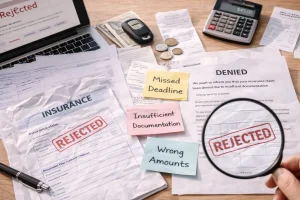
Buying an insurance policy is one of the most important financial decisions you can make. It is meant to protect you from unexpected losses, but if you choose the wrong policy, it can lead to confusion, denied claims, and wasted money.
Many people make the mistake of purchasing insurance based on price, advertisements, or quick recommendations. They often skip the most important step, which is understanding what they are actually buying.
This guide provides a complete checklist that helps you evaluate any insurance policy before making a decision. By following this structure, you can avoid common mistakes and choose a policy that truly meets your needs.
Why You Should Never Buy Insurance Without Checking Details
Insurance policies are not simple products. They include terms, conditions, limits, and exclusions that directly affect how useful the policy will be when you need it.
If you don’t review these details, you may get a policy that doesn’t cover your situation.
To understand how insurance works in detail, it is helpful to read complete guide to understanding insurance terms and coverage.
Taking time before buying can save you from problems later.
The Complete Pre-Purchase Insurance Checklist
Instead of rushing into a decision, go through each of the following checkpoints. This ensures that you fully understand the policy before committing.
Check One: What Exactly Does the Policy Cover
Start by identifying what the policy includes.
Every insurance policy is designed to cover specific situations. You need to confirm that it matches your needs.
Ask yourself:
- What events are covered
- What type of protection is provided
- Are there any limitations
For example, a health insurance policy may cover hospitalization but not certain treatments.
Understanding coverage is the foundation of a beneficial decision.
Check Two: What Is Not Covered
Equally important is understanding what the policy does not cover.
Exclusions are clearly mentioned in every policy, but many people ignore them.
Common exclusions may include:
- Pre-existing conditions
- Specific types of damage
- Certain situations or activities
If your situation falls under an exclusion, your claim may be rejected.
This is one of the main reasons people face issues during claims.
Check Three: Coverage Limits and Payout Conditions
Every policy has limits on how much it will pay.
You need to check:
- Maximum claim amount
- Sub limits for specific conditions
- Deductibles or out-of-pocket costs
For example, even if your policy covers an event, it may only pay up to a certain amount.
Understanding these limits helps you avoid surprises later.
Check Four: Claim Process and Requirements
Before buying, you should clearly understand how the claim process works.
Ask questions like:
- How do you file a claim
- What documents are required
- How long does the process take
A complicated claim process can create stress during difficult times.
Check Five: Waiting Periods and Conditions
Some insurance policies include waiting periods.
This means you cannot make a claim for certain conditions immediately after buying the policy.
Check:
- How long is the waiting period
- Which conditions are affected
Ignoring this detail can lead to unexpected claim rejections.
Check Six: Premium Cost vs Value
Price is important, but it should not be the only factor.
A cheaper policy may have limited coverage or strict conditions.
Compare:
- What are you paying
- What you are getting in return
A slightly higher premium may offer much better protection.
Make your decision based on value, not just cost.
Check Seven: Flexibility and Policy Terms
Some policies are more flexible than others.
Check if you can:
- Upgrade coverage later
- Add or remove benefits
- Renew the policy easily
Flexible policies are better for long-term use.
Check Eight: Reputation of the Insurance Provider
The company behind the policy matters as much as the policy itself.
Research:
- Claim settlement history
- Customer reviews
- Service quality
A reliable company is more likely to handle your claim smoothly.
Check Nine: Your Actual Needs
Many people buy insurance without understanding their real needs.
Before choosing a policy, ask yourself:
- What risks do I want to cover
- What is my financial situation
- How much protection do I need
Your decision should be based on your personal situation, not general advice.
To connect this with your overall financial planning, you can read how to manage income effectively and stay financially secure.
Check Ten: Hidden Terms and Conditions
Always read the fine print.
Some policies include conditions that are not obvious at first glance.
Look for:
- Special clauses
- Additional charges
- Restrictions on claims
Understanding these details helps you avoid surprises later.
Real Life Example of a Smart Insurance Decision
Consider a person planning to buy health insurance.
Instead of choosing the cheapest option, they carefully review all aspects of the policy.
They check coverage details, exclusions, claim process, and company reputation.
They also compare multiple options before making a final decision.
As a result, they choose a policy that provides better coverage and a smoother claim experience.
Later, when they need to file a claim, the process is simple and successful.
This example shows how careful planning leads to better outcomes.
Common Mistakes to Avoid Before Buying Insurance
Even with a checklist, some mistakes are very common.
Buying based only on low price
Ignoring exclusions and limitations
Not understanding the claim process
Choosing coverage that does not match your needs
Skipping the detailed reading of the terms
Avoiding these mistakes can save you from major problems later.
How This Checklist Improves Your Financial Security
Insurance plays an important role in financial stability.
When you choose the right policy, you protect yourself from unexpected expenses.
A well-selected policy ensures that you receive support when you need it most.
It also reduces financial stress and helps you manage risks effectively.
To strengthen your financial habits alongside insurance planning, you can explore simple methods to maintain long term financial discipline.
A Simple Way to Use This Checklist
You do not need to remember everything at once.
When evaluating a policy, go through each checkpoint step by step.
Take notes if needed and compare multiple policies using the same checklist.
This approach helps you make a clear and informed decision.
Final Thoughts
Buying insurance is not just about getting coverage. It is about choosing the right protection for your situation.
By following this checklist, you can avoid common mistakes and select a policy that truly meets your needs.
Take your time, review all details carefully, and make a decision based on understanding rather than assumptions.
A well-informed choice today can save you from major problems in the future.

Aiden Lewis runs pimozoogin.com, where he provides practical and understandable financial tips. He writes articles about Everyday Finance, Financial Stability Tips, Insurance Basics, and Money Habits, with the goal of helping people gain more confidence in managing their finances. He designs his content to enhance financial literacy, foster informed decision-making, and simplify financial matters for everyone. The information provided is for educational and informational purposes only.