Table of Contents
ToggleWhy I Realized I Needed to Track My Spending
For many years, I believed I was fairly good with money. I paid my bills on time, avoided unnecessary debt, and rarely made large impulse purchases. Yet at the end of each month, I often wondered where a large portion of my income had gone. The problem wasn’t major expenses — it was the small daily purchases that slowly added up. Coffee here, snacks there, quick online purchases, and small cash payments during the week.
One day, I checked my bank statement and realized that these small expenses had turned into a significant amount. That was the moment I understood the importance of tracking both cash spending and card spending. I didn’t want a complicated financial system. I simply needed a method that was easy, fast, and sustainable. Over time, I created a simple personal spending tracking system that works for both cash and digital payments. It requires only a few minutes each day and has helped me stay aware of my financial habits without feeling overwhelmed.
This article explains exactly how I track my spending and how anyone can apply the same method immediately.
The Biggest Problem With Cash and Card Spending
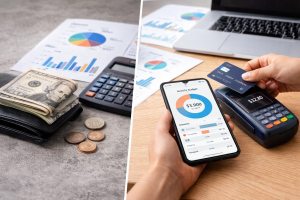
One of the biggest challenges in personal finance today is that money moves in many different ways. We use debit cards, credit cards, digital wallets, and cash. Because of this, it becomes easy to lose track of where money goes. Cash spending is especially tricky. When you pay with cash, the transaction often disappears from your memory because there is no automatic digital record. On the other hand, card payments are recorded in bank apps, but most people rarely review them carefully.
This creates a dangerous financial blind spot. Small expenses accumulate silently and slowly reduce your savings potential.
Common examples include:
- Daily coffee or snacks
- Quick grocery store visits
- Online subscriptions
- Transportation costs
- Convenience purchases
Individually these expenses seem harmless. Together, they can quietly consume a large portion of your monthly income.
That’s why having a clear spending tracking habit can completely change your relationship with money.
My Simple Rule: Awareness Before Budgeting
Many financial experts talk about complex budgets, spreadsheets, and financial apps. While these tools can be helpful, I discovered that the most important step is simply awareness.
Before trying to control spending, I needed to understand it.
So instead of building a complicated budget, I started with one simple rule:
Track every expense — both cash and card — for a few minutes each day.
This small habit gave me a clear picture of my financial behavior. Once I saw the patterns, making adjustments became much easier.
The key lesson here is that tracking spending is more important than strict budgeting, especially in the beginning.
The Simple Tools I Use to Track Spending
One reason many people fail to track their spending is that they choose systems that are too complicated. I wanted something simple that I would actually use every day.
My system uses only three basic tools:
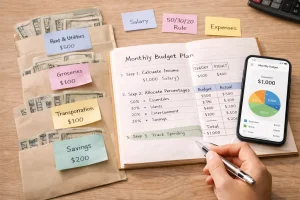
1. A Simple Notes App or Notebook
I record daily expenses using either:
- A notes app on my phone
- A small pocket notebook
Both options work perfectly. The goal is not perfection — it’s consistency.
2. A Weekly Review Page
Once a week, I quickly review my spending and group expenses into categories like:
- Food
- Transportation
- Household items
- Personal spending
- Online purchases
This helps me understand where my money is going.
3. My Bank App for Card Payments
Card transactions are automatically recorded in my bank account. I simply check them and copy them into my spending list so everything appears in one place.
This entire process takes less than five minutes per day.
How I Track Cash Spending Easily
Cash spending used to disappear from my memory. That’s why I created a simple rule:
Write down cash expenses immediately.
Whenever I spend cash, I quickly note three things:
- Item purchased
- Amount
- Category
For example:
- Coffee — $3 — Food
- Bus ticket — $2 — Transportation
- Fruit — $4 — Groceries
The entry takes only a few seconds, but it keeps my financial record complete.
Helpful Tip
If writing immediately isn’t possible, I keep the receipt or make a quick note in my phone and record it later the same day.
This small habit completely eliminated the mystery around where my cash was going.
My Method for Tracking Card and Digital Payments
Tracking card spending is easier because banks automatically record transactions. However, relying only on bank statements is not enough because many people rarely review them carefully.
My method is simple.
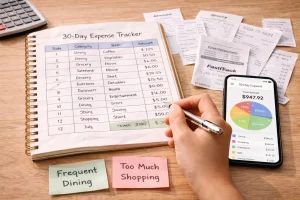
Each evening, I open my bank app and check the day’s transactions. Then I write them into my spending log.
Example entries:
- Grocery store — $22 — Groceries
- Online purchase — $15 — Personal spending
- Ride share — $8 — Transportation
This process has an important psychological benefit.
When I manually write the expense, I become more aware of the purchase. That awareness naturally reduces unnecessary spending.
The Daily 3-Minute Spending Check
One habit that completely changed my financial awareness is what I call the 3-minute spending check. Every evening, I spend a few minutes reviewing the day.
My daily routine looks like this:
- Check wallet for cash receipts
- Open bank app and review card transactions
- Write down all expenses in my spending log
- Quickly review the total
This tiny habit keeps my finances organized without stress.
Even on busy days, it rarely takes more than three minutes.
My Weekly Spending Review Routine
Tracking daily expenses is helpful, but reviewing them weekly is where real insight appears.
At the end of each week, I take about 10 minutes to review my spending.
I ask myself a few simple questions:
- Which category had the highest spending?
- Were there unnecessary purchases?
- Did I spend more cash or card this week?
- Are there patterns developing?
Sometimes the answers surprise me.
For example, I once discovered that small food purchases during busy workdays were costing far more than planned meals.
This awareness helped me make small adjustments that saved money without feeling restrictive.
Categories That Make Spending Easy to Understand
To keep things simple, I use only a few broad spending categories.
Too many categories make tracking complicated.
My basic categories include:
- Groceries and Food
- Transportation
- Bills and Utilities
- Personal Spending
- Online Purchases
- Miscellaneous
These categories are enough to see clear patterns without overwhelming the tracking process.
The goal is clarity, not perfection.
How Tracking Spending Changed My Financial Habits
After several months of tracking spending consistently, I noticed some powerful changes.
- First, my impulse purchases decreased naturally. When you know you will record every expense later, you think twice before buying something unnecessary.
- Second, I became more conscious of small daily costs. A daily coffee, for example, may seem inexpensive, but seeing it repeated in the spending log makes the total visible.
- Third, I started planning purchases better. Instead of buying items randomly, I began grouping purchases or waiting a day before deciding.
None of these changes required strict budgeting rules. They happened naturally because I became more aware of my spending behavior.
Common Mistakes People Make When Tracking Spending
Many people try to track spending but give up quickly because the system becomes too complicated.
Here are some common mistakes I learned to avoid.
Tracking Too Many Details
Some systems require tracking dozens of categories and financial metrics. This often leads to frustration.
Simple tracking works better.
Skipping Small Expenses
Ignoring small purchases defeats the purpose of tracking. These small costs are usually where the biggest financial leaks occur.
Waiting Too Long to Record Expenses
If you wait several days to track spending, you may forget some purchases. Daily tracking solves this problem.
Trying to Be Perfect
Missing one or two entries occasionally is normal. Consistency matters more than perfection.
Practical Tips to Start Tracking Spending Today
If you want to build this habit, start small and keep the system simple.
Here are practical steps you can apply immediately.
Step 1: Choose One Tracking Tool
Use either:
- A notebook
- A notes app
- A simple spreadsheet
Avoid complicated financial apps at the beginning.
Step 2: Track Every Expense for One Week
Record all cash and card spending for seven days.
This short experiment will reveal valuable insights.
Step 3: Do a Weekly Review
Look at the totals and identify patterns.
Even a single review can help you understand your spending habits better.
Step 4: Continue the Habit
After a few weeks, tracking becomes automatic and requires very little effort.
Why This Simple System Works Long-Term
The reason my spending tracking system works is because it focuses on simplicity and consistency. Many financial systems fail because they demand too much time or discipline.
This approach works because:
- It takes only a few minutes per day
- It requires no complicated tools
- It focuses on awareness rather than strict control
Over time, these small habits create powerful financial awareness and better spending decisions.
Conclusion
Tracking both cash and card spending is one of the simplest and most effective ways to improve financial awareness. Many people struggle with money not because they earn too little, but because they don’t clearly see where their money goes each day.
My simple method focuses on daily awareness rather than complex budgeting. By recording every expense, reviewing transactions regularly, and keeping categories simple, it becomes much easier to understand spending habits and make better financial decisions. The process takes only a few minutes per day but can provide long-term benefits for financial control, savings, and peace of mind. Anyone can start today using nothing more than a notebook or a notes app. Consistency is the real secret. Small daily awareness creates big financial clarity over time.
FAQs
1. Why is it important to track both cash and card spending?
Tracking both types of spending gives a complete picture of your finances. Cash transactions are easy to forget, while card transactions may go unnoticed in bank statements.
2. What is the easiest way to track daily expenses?
The easiest method is writing expenses in a notebook or phone notes app. Recording the item, amount, and category is usually enough.
3. How long does daily spending tracking take?
Most people can track their spending in about three to five minutes per day once the habit is established.
4. Should I use budgeting apps to track spending?
Budgeting apps can help, but simple tools like notebooks or notes apps often work better because they are quick and easy to maintain.
5. What should I do if I forget to record some expenses?
Simply record them as soon as you remember. Occasional missed entries are normal, and consistency over time is more important than perfect records.

Aiden Lewis runs pimozoogin.com, where he provides practical and understandable financial tips. He writes articles about Everyday Finance, Financial Stability Tips, Insurance Basics, and Money Habits, with the goal of helping people gain more confidence in managing their finances. He designs his content to enhance financial literacy, foster informed decision-making, and simplify financial matters for everyone. The information provided is for educational and informational purposes only.