
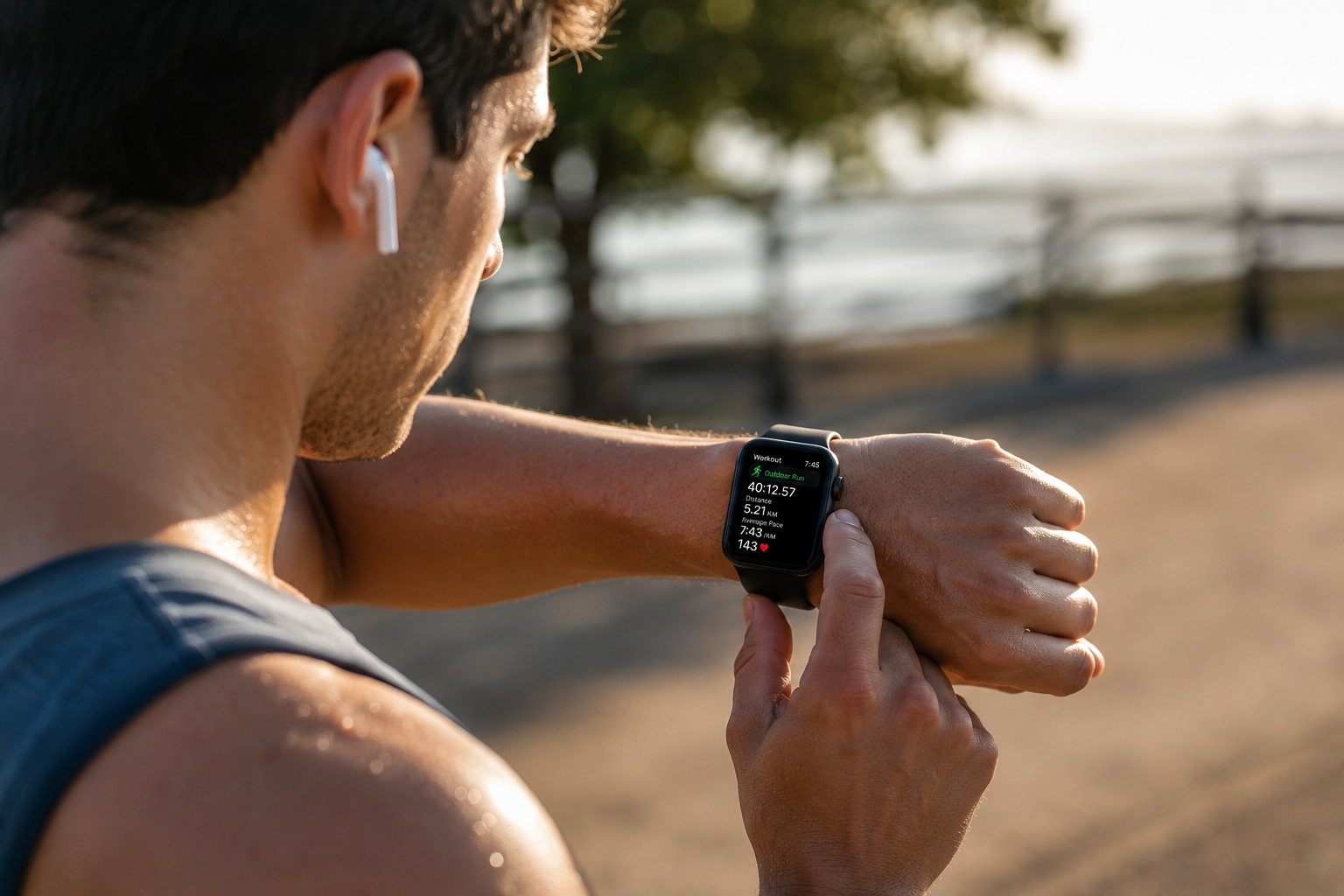
Not so long ago, tracking workouts mainly meant writing down training schedules on paper or estimating progress from memory. Often, people could only guess how far they had walked, how many calories they had burnt, or whether they were making progress. Smartwatches have revolutionised this.
Today, wearable fitness systems have evolved from simple pedometers to smart devices that can track workouts throughout the day, heart rate patterns, training intensity, sleep patterns, and recovery trends. Many people consider their fitness tracker to be one of the most useful tools they own for exercising. This is not just about technological superiority; more importantly, it makes everything easier, more consistent, and provides a clearer picture of one’s training progress without adding extra burden to daily life.
Workout Tracking Feels More Automatic Now
One of the reasons why fitness trackers are so popular is their ease of use in daily life. People no longer need various devices to record workouts, time themselves, or write down movements with pen and paper. People wear smartwatches all day long, and they continuously collect information in the background.
This data is more important than many fitness companies claim. If fitness goals are easier to achieve, people are more likely to stick with them. Most users are not professional athletes looking for top performance; they simply want a simple way to understand how their training habits change over time. Smartwatches make tracking training intensity much easier.
Heart Rate Monitoring Changed Workout Awareness
One of the main reasons why smartwatches have become indispensable fitness equipment is their ability to measure heart rate. Users can now see in real time how their body responds to training, rather than relying solely on duration or intensity. Heart rate data helps people better understand training intensity, whether it involves walking, jogging, strength training, or intensive workouts.
Many people are surprised that different types of training have different effects on the body. For instance, two workouts with the same intensity can result in drastically different heart rate changes. Some people also notice that they train too often and too intensely, without giving their bodies sufficient recovery time. Smartwatches can help you better understand these trends.
GPS Tracking Makes Outdoor Fitness Activities Easier
Smartwatches with built-in GPS tracking are incredibly useful for runners, cyclists, campers, and hikers. Users can track distance, speed, route information, and elevation changes without having to carry extra equipment. This makes tracking outdoor workouts much easier. You will notice the practical benefits immediately while exercising. People who want to run in the morning might not need to bring a phone or other GPS tracker; a smartwatch is sufficient.
Over time, thanks to the stored training data, users can also compare their progress more easily without having to guess. One of the reasons why people stick to a training schedule longer is that they can track their progress over the long term.
Tracking Recovery is Becoming Increasingly Important
Nowadays, fitness enthusiasts no longer believe that the more intense their training, the better. In addition to tracking activity, many smartwatches now focus heavily on monitoring recovery. Fitness apps use data such as sleep patterns, resting heart rate, activity patterns, and activity balance to assess your recovery and determine if you are ready for more exercise.
This more holistic perspective helps people realise that exercise is only one part of an overall improvement in health. Some people regularly engage in intense workouts but still feel fatigued because they do not know how to recover effectively. With a smartwatch, these connections are easier to recognise. For many users, insight into recovery methods is just as important as obtaining information about their training.
Smartwatches Encourage Consistency More Than Perfection
An intriguing aspect of tracking activity with a smartwatch is that it is not based on scientific principles, but rather on psychological factors. Many people remain motivated because the watch provides them the feeling that they are taking responsibility and consistently working towards their goals. Setting daily activity goals, setting workout reminders, configuring movement alerts, and tracking progress can help people stay active, even if they temporarily lose motivation. Often, this effect is not forceful.
A brief reminder to stand up after prolonged sitting, or a series of engaging workout routines, can have a greater impact on a person’s daily choices than they realise. Often, small behavioural changes are more important than complex data. This is one of the reasons why smartwatches are so popular among professional athletes and fitness enthusiasts.
Fitness Apps Make Smartwatches Even More Powerful
Smartwatches have become much more usable because you can link them directly to health and fitness apps. Many people now integrate fitness apps, guided workout routines, diet tracking, sleep analysis, and recovery monitoring with the smartwatch’s tracking functions on a single platform.
This integration makes your training experience more seamless. For example, fitness apps can adjust recommended workouts based on heart rate data from the smartwatch or previous recovery data. Sleep monitoring can also influence how people train and how often. For many, a fitness watch is the most important part of their overall fitness system.
Workout Data Feels More Personal Than Before
In the past, fitness trackers primarily recorded simple activity data, such as steps or calories burnt. Now, trackers collect much more specific data, making health monitoring more personal.
Users can now see the following trends:
- Changes in resting heart rate
- Regularity of weekly workouts
- Recovery mode
- Increased running speed
- Sleep duration
- Daily activity level
Over time, this information causes people to take their daily workouts more seriously. Many people no longer view fitness solely as a way to lose weight or improve their bodies but begin to focus on their energy levels, the regularity of their workouts, and long-term training habits.
Battery Life and Comfort Still Matter
Although smartwatches feature many advanced functions, a practical design remains an important reason for continued use. Even the most advanced technology is useless if a device is difficult to set up, has a tight strap, or has a short battery life.
The best way to track your fitness is by integrating the device into your daily life. Most users do not want to constantly worry about charging time and setup while working out. The best trackers typically combine powerful fitness features with convenient functionality for daily use.
Privacy Concerns are Increasing
With advancements in smart fitness technology, more and more people are concerned about privacy and data collection. Smartwatches collect enormous amounts of personal data, such as your training patterns, frequency, sleep duration, and health-related behavioural trends. Many people are now more concerned about how companies store and use their data.
More and more people are choosing smart technology because they trust it. People generally have no objection if the benefits of sharing activity data are clear; However, they worry if data processing rules are unclear or seem too intrusive.
Smartwatches Are Becoming Part of Everyday Wellness
Smartwatches are gaining popularity because people no longer view them solely as fitness devices. Many now use them as comprehensive health tools to better understand their activity levels, develop healthier lifestyle habits, maintain a regular sleep pattern, and set up and stick to a training schedule. The focus has shifted from tracking sports performance to understanding one’s entire lifestyle.
Smartwatches are attracting more and more people due to their expanded functionality. You can better understand your activity and track your daily routine without having to train intensively every day. For many, the greatest benefit is the ability to better understand their daily lives in a practical and user-friendly way.
Conclusion
In short, wearable technologies such as smartwatches have become essential tools for tracking physical activity because they are convenient, offer real-time fitness monitoring, aid in recovery, and can store training data for long periods. With features such as heart rate monitoring, GPS location, workout tracking, and recovery analysis, these devices help people better understand their fitness progress without complex systems or manual tracking.
Although smartwatches cannot replace professional guidance or medical advice, they do offer practical tools that make it easier and more consistent for daily users to track their training. As wearable technology continues to evolve, trackers will likely remain one of the most popular fitness tools for both recreational and professional athletes.
FAQs
1. Why are smartwatches suitable for tracking workouts?
Smartwatches automatically record your workouts, heart rate, activity level, and training trends. This allows you to monitor your health more easily and consistently.
2. Can smartwatches track different types of training?
Yes. Most smartwatches today can track running, walking, cycling, strength training, swimming, and other fitness exercises.
3. Can smartwatches increase motivation to exercise?
Many users find that tools such as fitness goals, reminders, and activity tracking help them stay active and develop a regular training routine.
4. Can smartwatches really measure heart rate?
Most modern smartwatches can accurately measure heart rate during daily activities, but this depends on the specific type of training and the watch model.
5. Can smartwatches track sleep and recovery?
Many fitness activity trackers have features that help users find the right rest and training rhythm, such as tracking sleep and recovery.