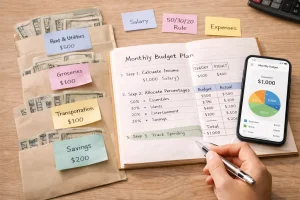
Managing your finances can sometimes feel like a never-ending struggle with numerous tasks. Many people struggle to keep their finances under control because they only budget monthly or check their bills occasionally. However, weekly financial planning can help you better control your expenses, reduce stress, and reach your financial goals faster. To make more informed decisions and avoid unexpected situations, it is advisable to set aside some time each week to review your income, expenses, and savings.
Set Aside a Specific Time Each Week
Good financial management requires consistency. Reserve a fixed day and time each week for your finances. A good time to evaluate the past week and plan for the coming week is Sunday evening or Saturday morning. Consider this moment an important appointment. Just 30 to 45 minutes is enough to review your expenses, adjust your budget, and plan for the coming week. By regularly setting aside this time, financial management becomes a habit instead of a daunting task.
Review Your Income and Expenses
The first step in weekly financial planning is reviewing your income and cash flow. This includes your salary, freelance income, income from side jobs, and other irregular sources of income. Compare your weekly income with your expected income. By clearly mapping out your income, you can spend more wisely. If your income fluctuates, you can budget in advance to cover weeks with lower income and avoid overspending. By tracking your income weekly, you remain rational and prevent financial setbacks.
Record all Expenses
Next, review all expenses and costs from the previous week. Include all expenses, from large bills to small items like snacks and coffee. A notebook, spreadsheet, or even a simple list will suffice. Categorize your expenses, for example, ‘Food,’ ‘Transportation,’ ‘Entertainment,’ and ‘Bills.’ By doing this weekly, you discover spending patterns that you develop unconsciously. Small daily purchases, for example, can quickly add up to a significant expense. By tracking your expenses weekly, you clearly see where your money is going and can make adjustments before problems escalate.
Categorize and Prioritize Your Expenses
Make a list of your expenses and then rank them by importance. Differentiate between necessary expenses (such as rent and bills) and money you want to spend extra. Set a limit for each expense category for the coming week. For example, if eating out is not necessary, create a budget you can stick to. By prioritizing your expenses, you can spend your money on what really matters. This habit also prevents you from overspending on unnecessary things, leaving you with money to save or pay off debts.
Plan Upcoming Payments and Bills
A weekly schedule helps you manage your bills and payments more effectively. Make a list of all the bills you need to pay each week, such as credit card bills, utility bills, and subscription fees. By planning these expenses in advance, you ensure you always have enough money on hand and avoid late payments. You should also set aside a small amount each week for emergencies, such as medical expenses or car repairs. Being prepared for payments reduces stress and makes your finances more stable.
Allocate Money for Savings
Long-term saving is essential for financial management. Set weekly savings goals and treat them as essential expenses. Small weekly savings add up in the long run. You can set money aside for short-term goals, such as an emergency fund or a trip. You can also save for long-term goals, such as your retirement or a down payment on a house. Make setting money aside weekly a habit, not a whim. Over time, you will save more money and find inner peace.
Keep a Close Eye on Your Debts and Expenses
If you have debts, creating a weekly plan is a good way to keep track of your weekly payments. Note the amount you pay off on debts, loans, and credit cards. Look for ways to make extra payments to reduce interest costs or shorten the repayment period. In the long run, even small extra payments can add up to a significant amount. By checking your debts weekly, you stay motivated and avoid payment arrears, which is crucial for maintaining financial order and a good credit history.
Adjust Your Weekly Budget
There is no such thing as a perfect budget. By planning your weekly expenses in advance, you can adjust the budget as needed. If you are spending too much in a particular area, consider cutting back on other expenses. If you receive unexpected extra income, you must decide whether to save it, spend it, or use it to cover the extra costs. By adjusting your budget regularly, you maintain a balanced budget and avoid extra stress. Being honest and rational about your spending is crucial.
Simple Tools to Track Your Expenses
Tracking your weekly income and expenses does not require complicated tools. You can use a simple notebook, a calculator, or even a whiteboard to record your income and expenses. Using simple tools makes the process less overwhelming and easier to stick to. Some people prefer using sticky notes or envelopes to categorize income and expenses immediately. This method is especially useful for noting unnecessary expenses. You must find a method that suits you and that you can easily stick to every week.
Reflecting on Your Spending Habits
Reflection is an important part of setting a weekly budget. Take the time to analyze your spending habits and ask yourself a number of important questions. Are you spending too much in a particular area? Have you made impulsive purchases that you could have avoided? Did you reach your savings goals this week? By thinking about your spending habits, you can better understand your financial management, solve problems, and make wiser choices in the future. Over time, this way of thinking will make you more self-aware and help you develop better financial habits.
Develop Short- and Long-term Goals
When setting a weekly budget, you should not only record your current expenses but also ensure that your spending aligns with your long-term goals. Set short- and long-term goals. Short-term goals could be paying off credit card debt or saving for a new appliance. Long-term goals could be buying a house or investing for your retirement. Set aside an amount each week for these goals, even if it is only a small amount. Regular investing helps you keep your goals clearly in mind and ultimately achieve them. Weekly planning ensures that your financial activities consistently contribute to achieving your goals.
Prepare for Unexpected or Seasonal Expenses
Some expenses do not occur every week, but they can throw your budget into disarray if you do not plan ahead. Think, for example, of annual insurance premiums, Christmas gifts, or seasonal maintenance costs (such as car maintenance). Set aside a small amount each week for these one-off expenses. By spreading these expenses over a longer period, you avoid financial worries and gain more control over your finances throughout the year. This proactive approach makes managing your finances easier and clearer.
Persevere and be Patient
It takes time and discipline to get your finances under control. Drawing up a weekly financial plan requires time and self-discipline. Follow your weekly plan, keep track of everything you do, and regularly check your progress toward your goals. Even if you make mistakes occasionally, perseverance will help you learn and improve. In the coming weeks and months, you will feel more in control of your finances, experience less stress, and feel more satisfaction. To develop good financial habits, you need patience and must repeat the same things.
Cherish Progress and Significant Achievements
By tracking your finances weekly, you can celebrate every small victory. Did you save more than expected? Did you manage to stick to your budget? Celebrate these successes, because they motivate you to continue. Appreciating progress encourages good financial behavior, making it easier to get your finances under control. Remember that every step is important; acknowledging your progress gives you more confidence in your finances and will ultimately lead to more responsible financial habits.
Conclusion
To regain control of your finances, a simple and effective method is to create a weekly spending plan. You can set up a system where you reserve time each week to track income and expenses, set priorities, plan bills, save, monitor debt, and reflect on your spending habits. By adjusting your budget, accounting for unexpected expenses, and ensuring your spending aligns with your goals, you can manage your money better and reduce stress. Consistency, patience, and careful planning can improve your financial situation over time, giving you peace of mind regarding managing your finances and increasing your confidence in your financial skills.
FAQs
1. How much time should I spend on financial planning each week?
30 to 45 minutes per week is sufficient. Consistency is key; planning and evaluating are more important than striving for perfection.
2. Can I plan my finances weekly without an app?
Absolutely. Notebooks, spreadsheets, and even a few ordinary wallets will suffice. It is crucial to record your transaction history and check it regularly.
3. What if I forget to record certain expenses during the week?
Keeping records or writing them down helps with remembering. Don’t worry if you forget to record small transactions. By reviewing your data weekly, you can remember it better.
4. How can I maintain this habit?
Track your progress toward your goals, enjoy small successes, and remember the benefits of managing your finances, such as less stress and more savings.
5. Does a weekly plan help me save money faster?
Yes. By reviewing your expenses weekly and setting aside money, you can make smarter choices, avoid unnecessary purchases, save regularly, and reach your financial goals.

Aiden Lewis runs pimozoogin.com, where he provides practical and understandable financial tips. He writes articles about Everyday Finance, Financial Stability Tips, Insurance Basics, and Money Habits, with the goal of helping people gain more confidence in managing their finances. He designs his content to enhance financial literacy, foster informed decision-making, and simplify financial matters for everyone. The information provided is for educational and informational purposes only.