Have you ever bought something you didn’t really need, only to regret it later? Maybe it was a late-night online purchase, a spontaneous sale item, or an expensive meal ordered just because it felt convenient. Most of us have experienced that moment where we think, “Why did I spend money on that?”
For a long time, I believed spending problems were purely about income or budgeting skills. I thought if someone earned enough money or used a strict budget, they would automatically have control over their finances. But after struggling with my own spending habits and researching personal finance more deeply, I realized something important: spending is often driven more by psychology than by logic. Our emotions, habits, environment, and even marketing strategies influence how we spend money. Many purchases happen not because we truly need something, but because our minds react to triggers like stress, convenience, or social pressure.
Understanding the psychology behind spending changed the way I manage money. Instead of trying to force strict rules on myself, I started identifying why I was spending in the first place. Once I understood those triggers, controlling my spending became much easier and more natural. In this guide, we’ll explore the psychological reasons behind spending habits and practical ways to gain better control over them without feeling deprived.
Why Spending Money Feels So Good
One of the main reasons people struggle to control spending is because buying things triggers positive emotions in the brain. When we purchase something new, our brain releases a chemical called dopamine. Dopamine is often associated with pleasure and reward. This reaction makes shopping feel exciting and satisfying, even if the purchase isn’t necessary. This psychological reward system explains why people often enjoy the process of buying more than the actual item they purchased.
For example, think about how exciting it feels when:
- You place an online order and wait for delivery
- You find something you like during a sale
- You buy something after a stressful day
In many cases, the emotional satisfaction fades quickly after the purchase. But the brain remembers the temporary reward, which encourages us to repeat the behavior.
Recognizing this emotional response is the first step toward controlling it.
Emotional Spending: When Feelings Drive Financial Decisions
Many purchases are connected to emotions rather than practical needs. Emotional spending happens when people use money as a way to cope with feelings such as stress, boredom, or sadness. I noticed this pattern in my own life when I started reviewing my spending habits. On particularly stressful workdays, I was far more likely to order expensive food or buy something online. The purchase felt like a small reward after a difficult day.
But the relief was temporary, and the financial impact accumulated over time.
Common emotional triggers for spending include:
- Stress after a long day
- Feeling bored or unproductive
- Celebrating achievements
- Trying to improve mood during difficult times
While occasional emotional spending is normal, relying on it frequently can lead to financial problems.
Learning to recognize these triggers allows you to replace spending with healthier coping strategies.
The Influence of Marketing and Advertising
Modern marketing strategies are designed specifically to influence our psychology. Companies invest heavily in understanding how people make buying decisions. They use techniques that trigger emotional responses and create a sense of urgency.
Some common psychological tactics include:
Limited-Time Offers
Sales that claim “only available today” create pressure to make quick decisions. This sense of urgency prevents careful evaluation.
Social Proof
When people see others buying a product or leaving positive reviews, they feel more confident making the same purchase.
Convenience
Online shopping platforms remove barriers between desire and purchase. With saved payment information and one-click ordering, buying becomes effortless. hese strategies work because they target natural psychological tendencies. Being aware of them helps you pause and evaluate purchases more carefully.
Lifestyle Inflation: Spending More as Income Grows
Another psychological pattern affecting spending is lifestyle inflation. When income increases, many people gradually upgrade their lifestyle. They choose more expensive services, larger homes, better gadgets, or premium subscriptions. At first, these upgrades seem reasonable because income has improved. But over time, expenses rise at the same pace as earnings.
The result is that even people with higher incomes may still feel financially stressed. I noticed this in my own life after receiving a salary increase. Without realizing it, I started spending more on convenience services and entertainment. My income was higher, but my savings barely improved. Avoiding lifestyle inflation requires intentional decision-making. Instead of automatically upgrading expenses, it’s helpful to allocate part of increased income toward savings or investments.
The Role of Habit in Spending Behavior
Spending habits develop over time and often become automatic. For example, stopping by a coffee shop every morning or browsing online stores during free time may start as occasional behaviors but eventually turn into routines. Habits are powerful because they require little conscious thought. Once a spending habit forms, it continues almost automatically unless interrupted.
Breaking these habits begins with awareness. When I started paying attention to my daily routines, I noticed several spending habits that had become automatic. Changing them required replacing those habits with new routines. For instance, instead of browsing shopping websites during breaks, I started using that time for short walks or reading. Small changes like these helped reduce unnecessary spending.
How to Gain Control Over Your Spending
Understanding the psychology behind spending is helpful, but real improvement comes from practical action. Here are strategies that helped me regain control over my financial decisions.
Track Your Spending to Build Awareness
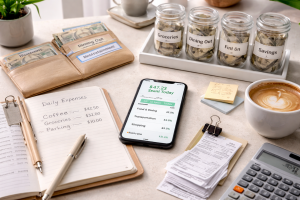
The first and most effective step is tracking where your money goes. Many people underestimate how much they spend on small purchases. Writing down or reviewing every transaction creates clarity.
Tracking expenses helps answer important questions such as:
- Which categories consume the most money?
- Are certain emotional situations triggering spending?
- Are recurring subscriptions increasing monthly costs?
Once spending patterns become visible, it becomes easier to identify areas for improvement.
Use the 48-Hour Rule Before Buying
One simple technique that dramatically reduced my impulse purchases was the 48-hour rule. Whenever I wanted to buy something non-essential, I waited two days before making the purchase.
During that time, I asked myself:
- Do I still want this item?
- Will it improve my life long-term?
- Is there a better way to use this money?
Surprisingly, most purchases lost their appeal during the waiting period.
This method prevents emotional decisions and encourages thoughtful spending.
Create Financial Goals That Motivate You
Controlling spending becomes easier when you have clear financial goals. Without a purpose, saving money can feel restrictive. But when you are working toward something meaningful, spending decisions become more intentional.
Examples of motivating goals include:
- Building an emergency fund
- Saving for travel
- Paying off debt
- Investing for long-term financial security
When I started saving for specific goals, resisting unnecessary purchases felt easier because I knew exactly what I was working toward.
Replace Shopping with Alternative Activities
Many spending habits occur during moments of boredom or stress. Finding alternative activities can reduce the urge to spend money.
Some helpful alternatives include:
- Going for a walk
- Reading or learning something new
- Exercising
- Working on personal projects
These activities provide satisfaction without creating financial consequences.
Create Barriers Between Desire and Purchase
One effective way to control spending is adding small obstacles between the desire to buy something and the actual purchase.
For example:
- Remove saved credit card details from online stores
- Avoid shopping apps on your phone
- Wait before making large purchases
These small barriers create time for reflection and reduce impulsive decisions.
Common Mistakes People Make When Trying to Control Spending
While improving spending habits is important, some approaches make the process unnecessarily difficult.
Being Too Strict
Extreme financial restrictions often fail because they remove all enjoyment from spending.
A sustainable approach allows occasional treats while controlling unnecessary purchases.
Ignoring Emotional Triggers
Many people focus only on numbers and budgets while ignoring the emotional reasons behind spending.
Addressing these psychological triggers leads to more lasting change.
Expecting Instant Results
Changing spending habits takes time. Consistency and awareness are more important than perfection.
Frequently Asked Questions
Why do people spend money impulsively?
Impulse spending often occurs because purchases trigger emotional rewards in the brain. Stress, boredom, and convenience also contribute to impulsive decisions.
How can I stop emotional spending?
Recognizing emotional triggers and replacing spending with alternative activities like exercise or hobbies can help reduce emotional purchases.
Is budgeting enough to control spending?
Budgeting helps manage finances, but understanding the psychological reasons behind spending is equally important for long-term success.
How long does it take to change spending habits?
Changing habits varies for each person, but consistent awareness and practice over several weeks can create noticeable improvements.
What is the best strategy to prevent impulse purchases?
Using waiting rules such as the 24-hour or 48-hour rule allows time to evaluate whether a purchase is truly necessary.
Conclusion:
Controlling spending isn’t just about numbers, budgets, or income levels. It’s about understanding the psychological forces that influence everyday financial decisions. Emotions, habits, marketing strategies, and social influences all shape how we spend money. Once you become aware of these factors, you gain the ability to pause, reflect, and make better financial choices.
By tracking spending, delaying impulse purchases, setting meaningful goals, and replacing spending habits with healthier routines, it becomes possible to control expenses without feeling deprived. Over time, these small changes build stronger financial awareness and lead to greater stability and confidence with money.

Aiden Lewis runs pimozoogin.com, where he provides practical and understandable financial tips. He writes articles about Everyday Finance, Financial Stability Tips, Insurance Basics, and Money Habits, with the goal of helping people gain more confidence in managing their finances. He designs his content to enhance financial literacy, foster informed decision-making, and simplify financial matters for everyone. The information provided is for educational and informational purposes only.