Millions of people worldwide experience emotional buying, often without even realizing it. Occasionally, when life gets tough, we suddenly feel the urge to shop and treat ourselves to something we really want. Emotional buying may seem insignificant at the time, but over time, it can quietly erode your savings and strain your finances. Spending money can indeed give us a short-term feeling of satisfaction, like an adrenaline rush.
But when that pleasure fades, it’s often followed by intense guilt. This article explores the science behind emotional buying, the factors that lead to it, and effective ways to regain control over your spending. You’re not the only one who impulsively buys things they don’t need. The first step to developing smarter, healthier financial habits is understanding the reasons behind emotional buying.
What is Emotional Spending?
Emotional buying refers to buying things because we want them, not because we need them. For instance, you might indulge in a late-night online shopping session when you’re feeling lonely, or reward yourself with a lavish meal after a challenging week. Brands like Amazon and Target make shopping effortless, giving our brains a sense of pleasure. It’s not about the product itself but about the feeling it gives you. Unfortunately, satisfying that feeling with money usually doesn’t resolve the negative emotions that fuel your urge to buy. Instead, the bill often arrives, triggering new emotions like regret, fear, and disappointment. It’s crucial to recognize and overcome this trend.
Common Emotions That Lead to Overspending:
Everyone experiences anger or sadness differently, but some emotions are more common than others. People use shopping to cope with stress, sadness, loneliness, and even joy. When they’re bored or stressed, many people also scroll through sites like Instagram because their friends are following them. Understanding what triggers your urge to buy can help you cope with it in a healthier way.
People experience these emotions in the following situations:
- Stress and anger
- Happy moments and rewards
- Stress or low self-esteem
- Fear of being left behind
Shopping as a Quick Escape from Stress and Anxiety:
When anxiety rises, many people choose to shop to relax. It feels good to reward yourself and celebrate getting through the chaos, right? Shopping can certainly give you a temporary sense of control and euphoria. However, shopping usually doesn’t relieve stress, so the shopping cycle can repeat itself. Spending money releases feel-good chemicals in the brain, just like a short vacation. Instead of reaching for your shopping cart, you might find that taking deep breaths, reading a book, or even walking makes you feel better, and that feeling lasts longer.
Shopping for Happiness and Celebration:
Emotional shopping isn’t always driven by negative emotions. Sometimes we spend money because we feel happy! When we get a promotion, celebrate a birthday, or go on vacation, we want to treat ourselves and others. Brands understand these reasons and offer various promotions during the holidays to encourage consumption. Celebrating is fine, but by planning your purchases, you can prevent impulsive purchases from piling up debt later on.
Shopping When You’re Feeling Sad and Lonely:
When people feel sad or lonely, they often try to feel better by shopping. Whether it’s takeout, new clothes, or electronics, shopping can make you feel better immediately. The problem is, this feeling doesn’t last long. A shopping cart can’t cure loneliness, but spending time with others and taking care of yourself can make you feel much better. By recognizing signs of low mood before using shopping apps, you can avoid wasting money.
The Influence of Digital Technology on Instant Shopping Culture:
Technology has made emotional shopping easier. One-click purchases, overwhelming recommendations, and late-night ads make it difficult to resist temptation. Social media trends cause us to feel disconnected, prompting us to purchase items to stay current. Notifications and flash deals further lead to impulsive, ill-considered choices. To combat the power of digital technology:
- Disable notifications in shopping apps
- Delete all saved payment methods
- Don’t follow accounts that fuel your anxiety (FOMO)
These small changes can help you maintain a distance from your buying habits.
Smart Ways to Manage Emotional Shopping:
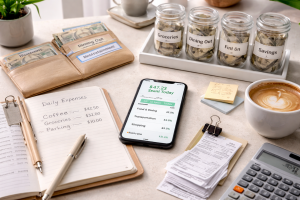
The good news is that it’s possible to manage emotional shopping. You can train your brain to handle emotions and financial impulses differently. Please consider allowing yourself a 24-hour cooling-off period before purchasing any nonessential items. Ask yourself, “Do I really need this? Or am I just trying to feel better?” Tracking your income and expenses and creating a budget will give you better insight into where your money goes. Instead of spending, you can reduce your expenses and do things that are beneficial for your mind and body, like exercising, meditating, or developing hobbies. This will make you stronger internally.
Here are a few practical ways to get your finances under control:
- Strictly stick to your grocery list.
- Limit your monthly spending to non-essentials.
- Use cash instead of credit cards whenever possible.
- Enjoy the satisfaction of success, even if you don’t buy anything.
Strengthen Your Relationship with Money:
Money shouldn’t rule your life; it should be a perk. When you understand your spending habits, you can make choices based on values, not emotions. You deserve financial freedom, and every little thing you do to reduce unnecessary expenses adds up. Eventually, the joy of shopping will fade, but the satisfaction of making your own choices will remain. You may feel like this progress is slow, but it is always happening. Resolve to understand your feelings and protect your financial future.
Conclusion:
We often overspend based on emotions, which can have a subtle but profound impact on our long-term financial security. Shopping might make you feel better temporarily, but it rarely solves the underlying problem. By recognizing what makes you feel awful, you can make better choices. With patience, self-care, and achievable financial goals, you can break this vicious cycle and build a healthier relationship with money. Remember, taking control of your finances doesn’t mean spending again; it means spending consciously. You have the power to change your emotions and move from vulnerability to strength. Starting today, focus on your emotions, not on what’s in your shopping cart.
FAQs:
1. Why do I spend money when I’m frustrated?
When you’re stressed, you want to feel better immediately, and shopping releases feel-good chemicals that temporarily alleviate that feeling. The brain sees shopping as a reward. But after the initial excitement, the stress usually returns. That’s why spending money when you’re stressed can become a habit.
2. How do I know if I’m spending money on things I don’t need?
Some warning signs include shopping without a plan, secretly hiding purchases, or regretting your purchases later. Another warning sign is shopping to boost your mood instead of satisfying a genuine need. To understand what drives you to spend money, pay attention to when and why you spend it.
3. How much can you spend in 24 hours?
The 24-hour rule advises waiting a full day before making an impulsive purchase. This waiting period gives your emotions a chance to calm down, leading to a well-considered decision. If you still want the item after that waiting period, you’re probably making a rational choice, not driven by emotions.
4. Is spending money on emotions harmful to your mental health?
Yes, it can lead to stress, guilt, and anxiety. This creates a vicious cycle: people try to escape negative emotions by shopping. Breaking this habit is beneficial for both your mental health and your financial well-being.
5. Is it okay to treat yourself occasionally?
Absolutely! The problem isn’t so much the indulging itself, but the overdoing it. Setting limits on your gift spending allows you to enjoy it without feeling guilty. To manage your money wisely, you need to find a balance between income and expenses.

Aiden Lewis runs pimozoogin.com, where he provides practical and understandable financial tips. He writes articles about Everyday Finance, Financial Stability Tips, Insurance Basics, and Money Habits, with the goal of helping people gain more confidence in managing their finances. He designs his content to enhance financial literacy, foster informed decision-making, and simplify financial matters for everyone. The information provided is for educational and informational purposes only.