Millions of people struggle with debt. Debt is commonplace these days, from student loans and mortgages to credit card debt accumulated after vacations. Feelings of guilt are natural, but it can also be lonely and stressful. Constantly thinking about interest rates, payment dates, and minimum payments can have a significant negative impact on your mental health.
The good news is that managing your finances doesn’t always have to be stressful. You can break down your responsibilities into manageable steps and create a clear plan to regain control of your finances. You don’t have to be a financial expert; you just need a plan. Here are eight practical tips to help you manage your daily debt calmly and confidently.
How to Understand Common Debts
First, you need to understand the problem and solve it. Most debt falls into two categories: secured debt, such as mortgages or car loans, and unsecured debt, such as credit card or personal loans. Find a quiet evening and map out all your debts. Please note the precise amount owed, the interest on each bill, and the minimum monthly payment. Putting these figures on paper can help you eliminate the fear of the unknown and give you a clear picture of where to start.
Create a Spending Plan
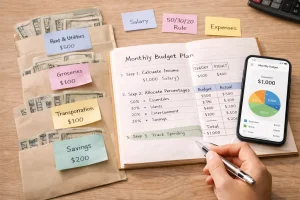
You don’t have to limit yourself to a budget. Instead of wondering where your money is going, you can tell it where it should go. First, write down your income and expenses, such as groceries, rent, and utilities. Once you know where you’re starting, you’ll know how much money you’ll have left. This “free” money is your best weapon in getting rid of your debt. Even a small monthly increase can make a big difference in the repayment period.
Prioritize Debt Repayment
Understanding which debts to prioritize is crucial so you can save money and stay focused. “Debt snowball” and “debt avalanche” are two common debt repayment methods. The avalanche method involves paying off debts in descending order of interest. In the long run, this method can save you the most money. The snowball method, on the other hand, focuses on quick results by paying off the smallest portion of the debt first. Choose a repayment plan that best suits your circumstances and financial goals.
Set up Automatic Payments
Missing a payment is one of the easiest ways to damage your credit score and incur unnecessary costs. By setting up automatic payments, you completely avoid this risk. Most banks and lenders offer the option to set up automatic payments, so you pay at least the minimum amount every time. This way, you never miss a payment due date, even if you lead a busy life. Plus, you don’t have to remember payment dates or log in to multiple accounts every month, saving you a lot of hassle.
Negotiating Lower Interest Rates
Many people think that interest rates never change, but that’s not always the case. If you consistently pay on time, credit card companies are eager to keep you as a customer. Politely ask them when you call if they can lower your interest rate. Although it may sound daunting, the best they can do is refuse. Once an interest rate agreement has been reached, a lower interest rate means you’ll use a larger portion of your monthly payment to pay off the principal, rather than the interest.
Utilizing Balance Transfers
If you have high-interest credit card debt, balance transfers can be a solution. A balance transfer involves transferring your debt to a new credit card with a 0% interest rate for a set period (usually 12 to 18 months). This means that during this period, every cent you pay goes toward paying off the principal, not the interest. Read the terms and conditions carefully to understand the transfer fees and what happens if the interest rate rises after the initial period.
Seek Professional Help
No matter how hard you try, keeping your finances in order can be difficult. If you can’t afford something you need, it may be time to get help. Nonprofit organizations that offer debt counseling can help you create a realistic budget and can also work with your creditors to create a repayment plan. You’re only responsible if you seek help, not if it fails.
Building an Emergency Fund
When you’re deeply in debt, saving might seem pointless, but you need an emergency fund to break the cycle of borrowing. Without financial security, unexpected medical expenses or car repairs could force you to use your credit card again. Before you rush into paying off your debt, try saving a small amount first—for example, $500 to $1,000. This extra money will give you peace of mind and protect your job.
Gain Financial Freedom
Paying off debt isn’t a sprint; it’s a marathon. You need patience, perseverance, and the willingness to let go occasionally. Addressing your financial problems head-on and using these techniques can reduce the stress of losing money. Remember: every small payment makes your future more secure. Start making your plan today and stick to it. Soon, you’ll be free of financial burdens.
FAQs
1. How do I get out of debt?
Honestly, there’s no single “best” way. The best method is the one you can stick with. A debt reduction strategy can quickly get you motivated and save on interest costs. A debt avalanche strategy can also help you save on interest costs.
2. Will checking my credit score make my situation worse?
Checking your credit score yourself doesn’t affect it. This is called a “soft inquiry.” Regularly checking your credit score is a beneficial habit to track your repayment progress.
3. Should I pay off debt and save for retirement at the same time?
In most cases, the answer is yes. If your employer matches your 401(k) contributions, you should contribute enough to benefit from that match. This is essentially free money. Furthermore, pay extra attention to high-interest accounts.
4. How can I reduce my monthly expenses to pay off my debt faster?
Carefully review your life insurance policies, cook at home more often, and compare different insurance rates to find the best deal. Reducing small, everyday expenses can save you a significant amount each month.
5. When should I consider debt consolidation?
If you have excellent credit but a lot of high-interest debt, debt consolidation might be the ideal solution. It allows you to consolidate all your debts into one loan with a lower interest rate.

Aiden Lewis runs pimozoogin.com, where he provides practical and understandable financial tips. He writes articles about Everyday Finance, Financial Stability Tips, Insurance Basics, and Money Habits, with the goal of helping people gain more confidence in managing their finances. He designs his content to enhance financial literacy, foster informed decision-making, and simplify financial matters for everyone. The information provided is for educational and informational purposes only.